Wall Art Prints Guide: How to Choose the Right Print for Your Space
Choosing between landscape vs portrait wall art is one of the most important decisions when selecting artwork for your home, office, or commercial space. The orientation of your print—horizontal, vertical, or panoramic—has a major impact on how a room feels, how space is perceived, and how effectively the artwork integrates with your interior design.
The best wall art prints are not just about the image itself, but how the orientation works with your walls, furniture, lighting, and overall layout. The right choice can make a space feel larger, more balanced, more structured, or more visually impactful.
This guide explains the difference between landscape, portrait, and panoramic wall art so you can confidently choose the right orientation for your space.
Why Understanding Wall Art Orientation Matters
Before choosing between landscape vs portrait wall art, or panoramic formats, it’s important to understand how orientation affects your space.
The orientation of your artwork influences how large a room feels, how furniture is balanced, and how the eye moves through an interior. Even the same image can feel completely different depending on whether it is displayed horizontally or vertically.
This is because landscape vs portrait wall art doesn’t exist in isolation — it interacts directly with your architecture, lighting, and surrounding furnishings. The wrong orientation can make a space feel awkward or visually unbalanced, while the right choice can enhance proportions, create harmony, and strengthen the overall design of the room.
That’s why choosing the right orientation is just as important as selecting the artwork itself — it ensures your wall art feels intentional, balanced, and visually connected to your space. Understanding landscape vs portrait wall art ensures your artwork feels intentional and professionally placed.

Landscape vs Portrait Wall Art (Key Differences)
The orientation of wall art has a direct impact on how a space is perceived, balanced, and experienced. Choosing the right format is just as important as selecting the artwork itself, as it influences how the image interacts with your furniture, wall space, and overall interior layout. Choosing between landscape vs portrait wall art is an important step in creating a well-balanced space. Each orientation serves a different design purpose:
- Landscape wall art → creates width, calm, and horizontal flow, helping to open up a room and complement long surfaces like sofas, beds, and hallways
- Portrait wall art → adds height, structure, and vertical emphasis, making it ideal for narrow walls, corners, and feature spaces
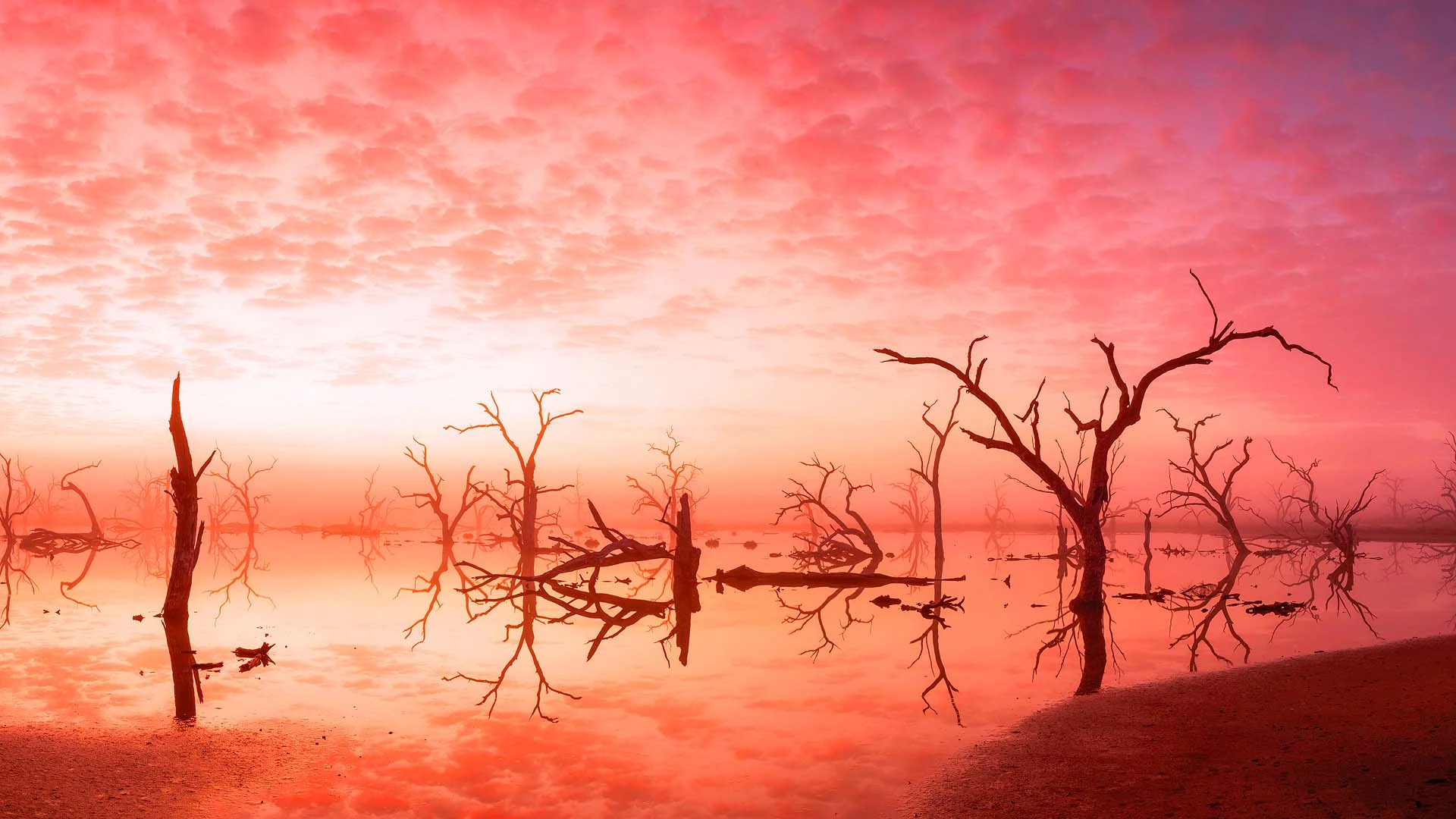
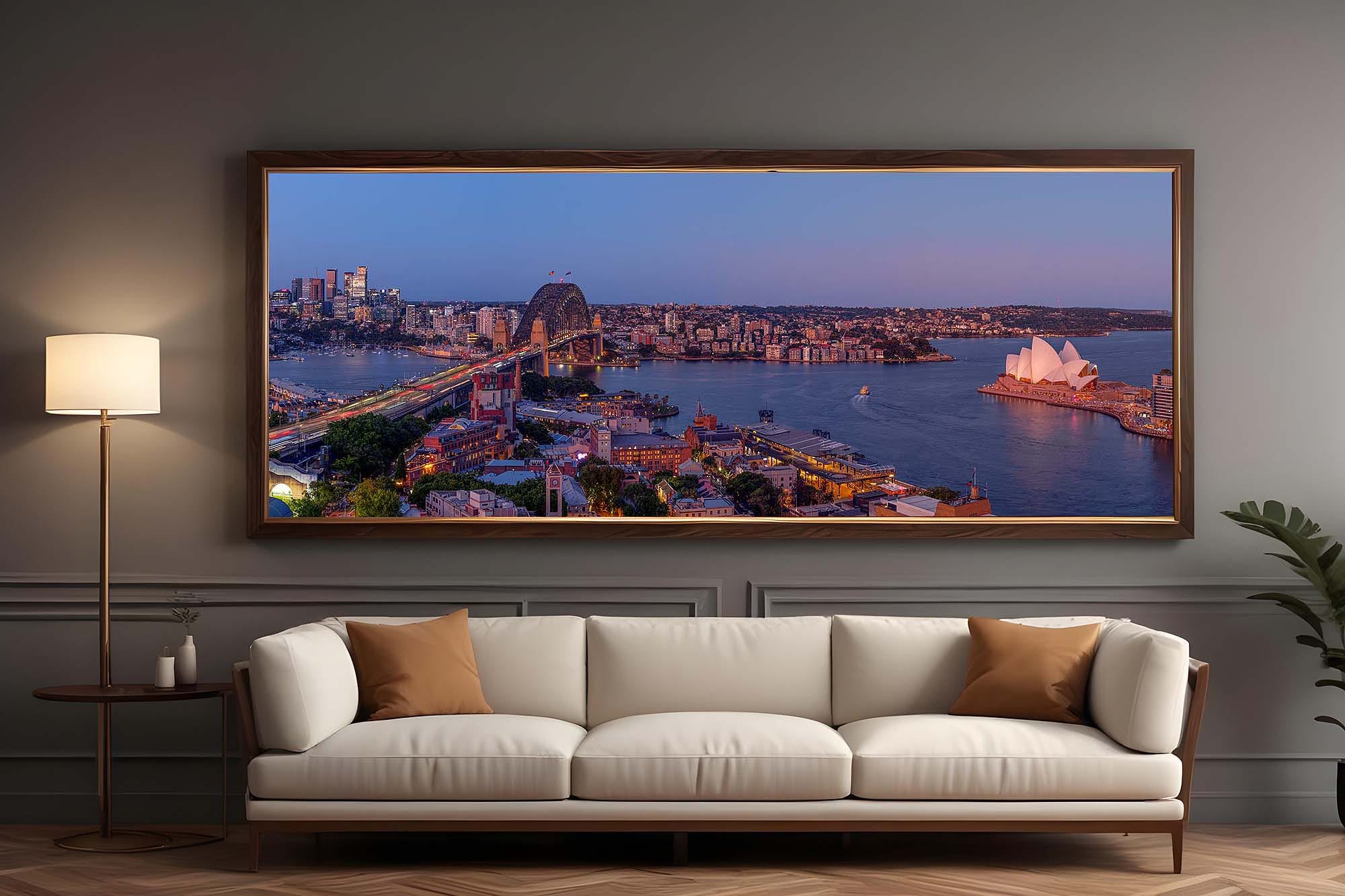
- Panoramic wall art → delivers scale, impact, and a strong focal point, perfect for statement walls and large open areas
These differences play a major role in how artwork shapes the feel of a room—whether it grounds a space, enhances vertical height, or creates a bold visual centrepiece.
Below, we break down the three main orientations—landscape, portrait, and panoramic—to help you choose the best option for your space.
“The right orientation transforms more than the artwork — it shapes how a space feels, flows, and comes to life.”
Landscape Wall Art (Horizontal)
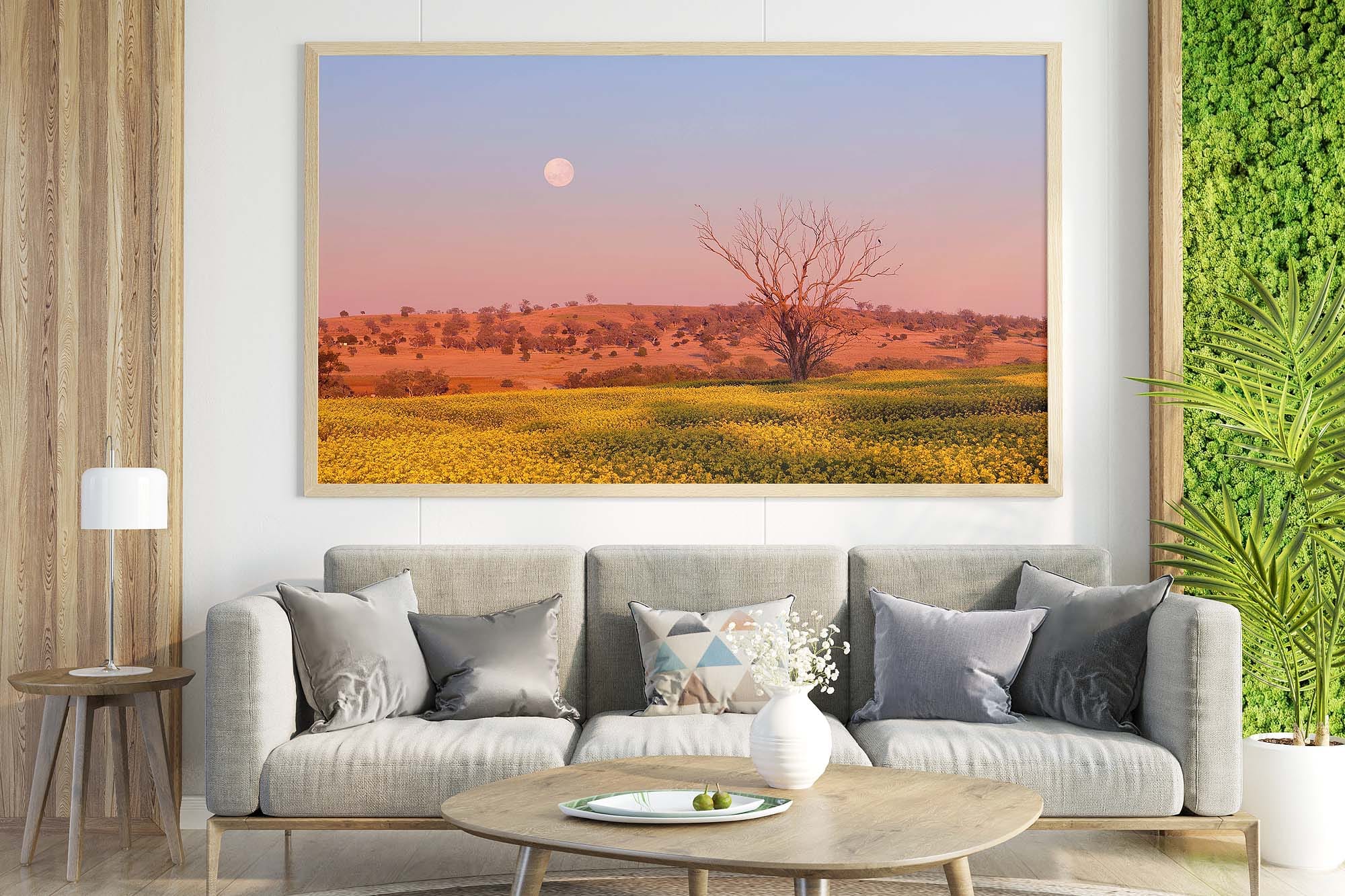
Landscape wall art refers to a horizontal print format that is wider than it is tall, designed to follow the natural left-to-right flow of most interior spaces and architectural layouts.
It is the most commonly used orientation in interior design because it naturally complements wider wall spaces and aligns with how furniture is typically arranged. When used correctly, landscape artwork creates visual stability, helping to ground a room and establish a clear sense of balance.
By drawing the eye horizontally across the space, this orientation enhances the perception of width and openness, making rooms feel larger, more connected, and more cohesive.
This makes landscape wall art one of the most versatile and reliable choices for both residential and commercial interiors.
✔ Best for:
- Above sofas, beds, and long furniture
- Living rooms and open-plan spaces
- Wide feature walls
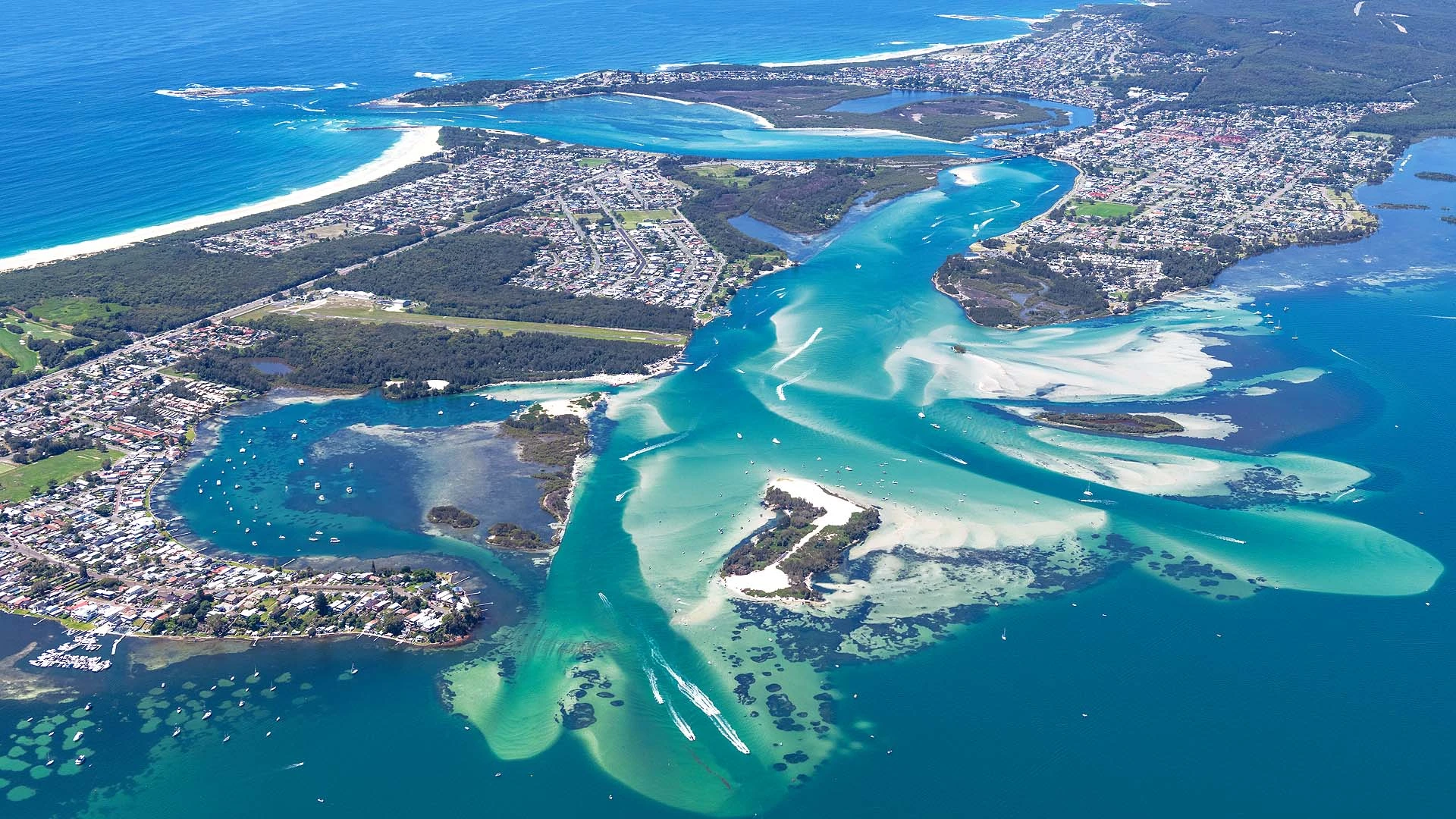
- Coastal, landscape, and aerial photography
✔ Key benefits:
- Enhances width and horizontal flow
- Creates balance with long furniture pieces
- Makes spaces feel larger and more open
- Works across almost all interior styles

Portrait Wall Art (Vertical)
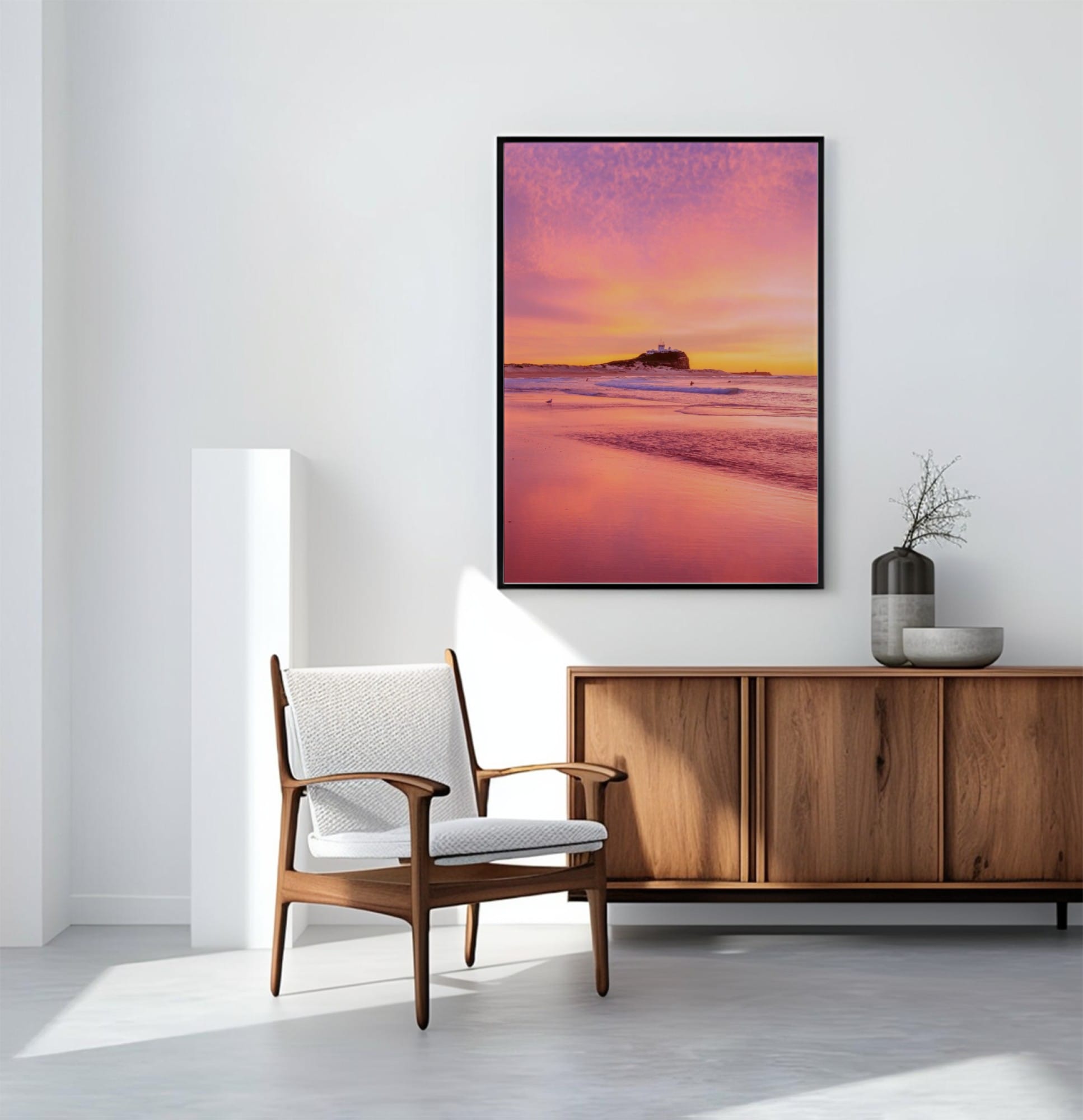
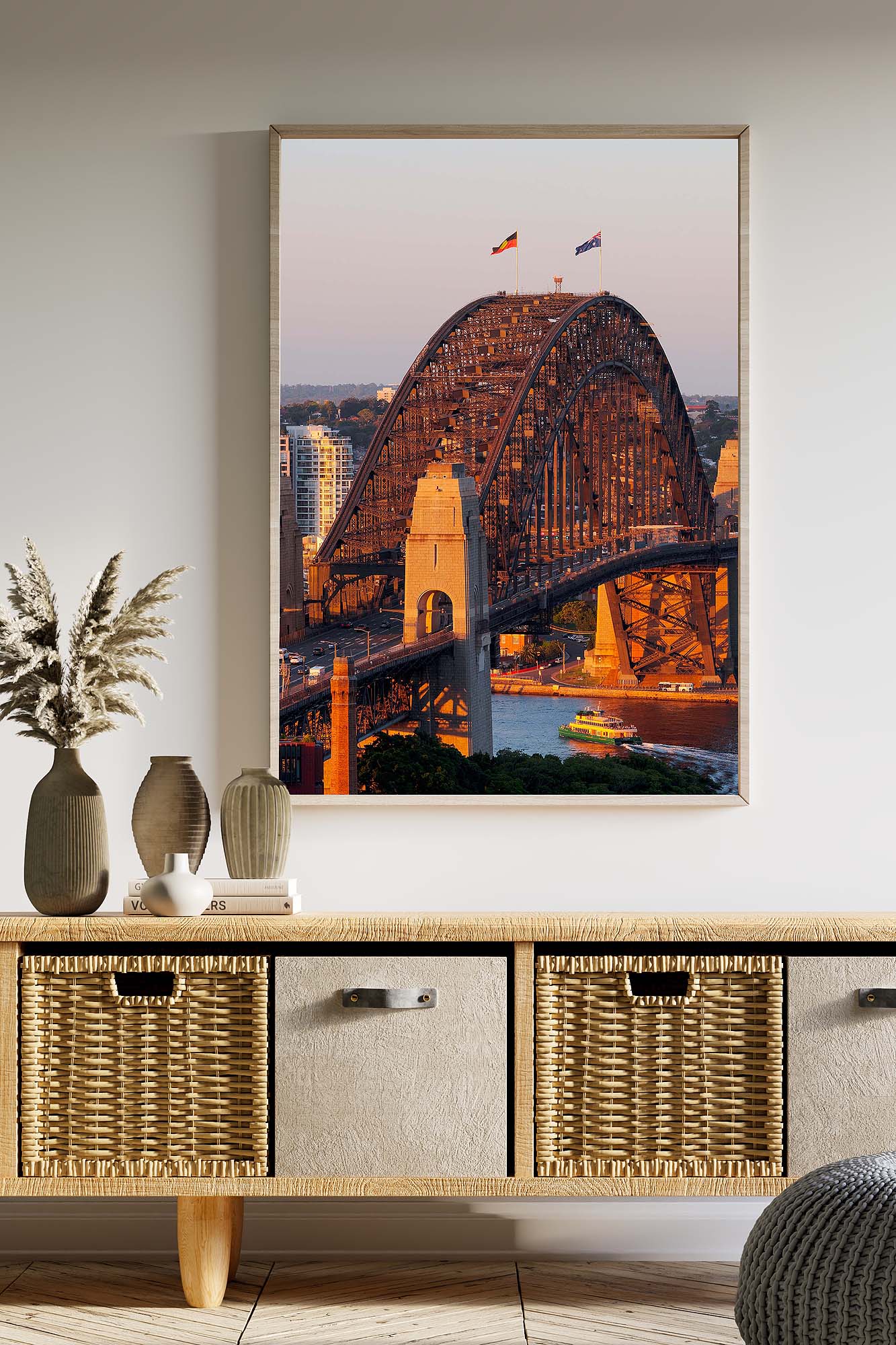
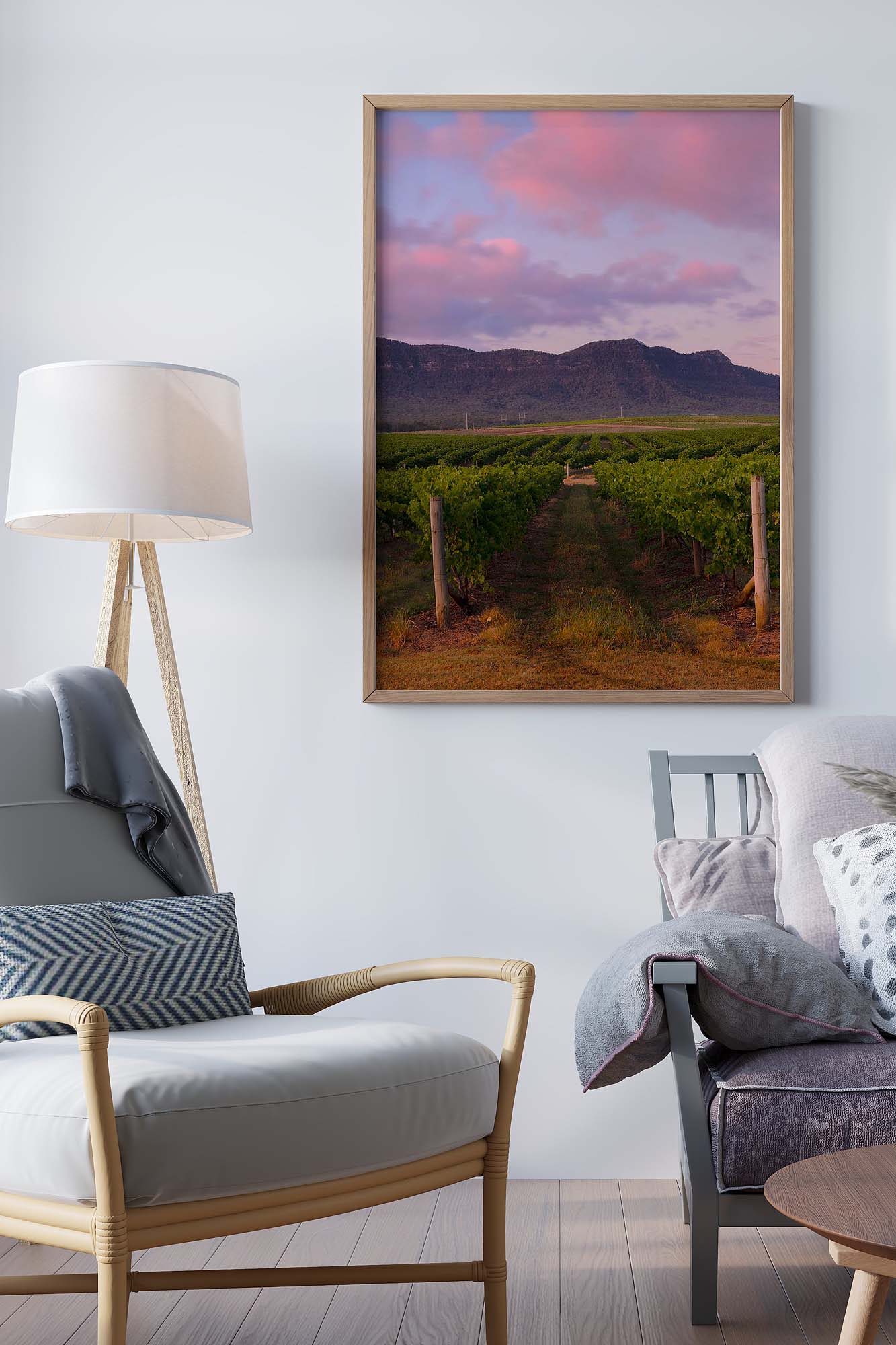
Portrait wall art refers to a vertical print format that is taller than it is wide, designed to emphasise height, structure, and upward visual movement within a space.
It is most effective in narrower or vertically oriented areas where landscape artwork would feel unbalanced or visually compressed. In interior design, portrait orientation is used to enhance ceiling height and create a sense of elegance, rhythm, and vertical flow within a room.
By drawing the eye upward, portrait wall art helps transform tight or underutilised spaces into intentional design features, adding structure and visual interest where it is often needed most.
This orientation is particularly effective in spaces that benefit from height, definition, and architectural emphasis.
✔ Best for:
- Hallways and narrow walls
- Between windows or doors
- Vertical pairings or stacked layouts
- Architectural photography and tall subject compositions
✔ Key benefits:
- Enhances height and vertical proportion
- Creates structure in narrow or tight spaces
- Adds rhythm and flow to transitional areas
- Highlights architectural features and vertical lines
Panoramic Wall Art
Panoramic wall art refers to an extra-wide horizontal print format that extends beyond standard landscape proportions, designed to deliver maximum visual impact, scale, and immersive presence within a space.
Unlike standard landscape artwork, panoramic wall art is specifically created for large-format viewing, where proportion and scale play a critical role in interior design. Its extended width allows the image to stretch across a wall, creating a continuous visual flow that anchors the entire room.
This orientation produces a cinematic, immersive effect that immediately draws attention and establishes a strong focal point, making it one of the most impactful choices for feature walls and open interiors.
Panoramic wall art is best used when the artwork is intended to define the space rather than simply complement it.
✔ Best for:
- Large feature walls
- Above long sofas, beds, desks, or sideboards
- Open-plan living spaces
- Commercial, office, and reception areas
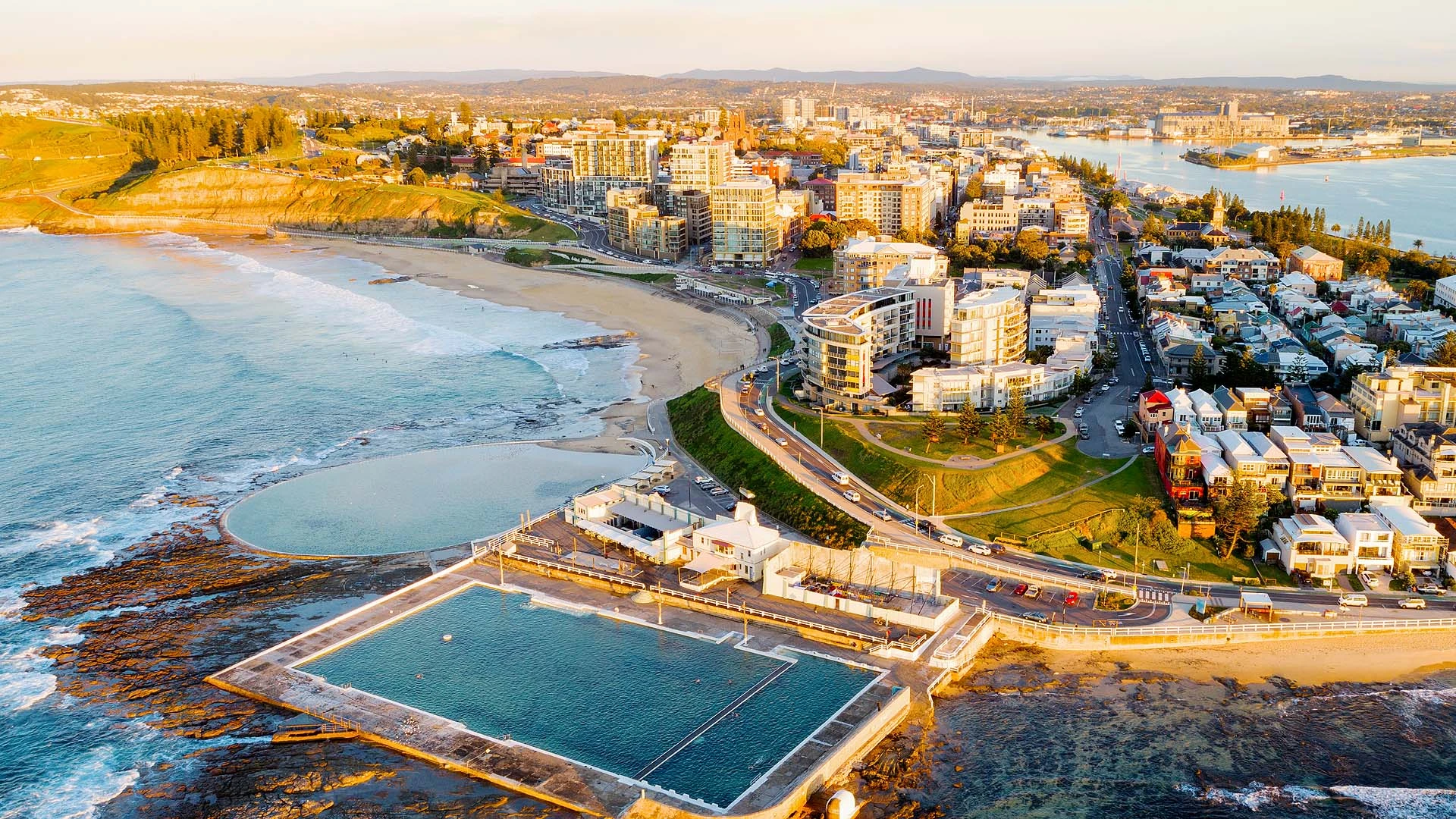
- Coastal, cityscape, and aerial photography
✔ Key benefits:
- Creates maximum visual impact and scale
- Enhances depth, width, and spatial flow
- Ideal for statement and feature pieces
- Perfect for large open or commercial spaces
Custom Wall Art Sizes
Custom wall art sizes refer to made-to-measure artwork designed to fit specific wall dimensions, ensuring perfect proportion, balance, and visual impact within a space.
Unlike standard sizes, custom sizing allows you to tailor your artwork precisely to your interior layout, furniture scale, and architectural proportions, rather than adjusting your space around a fixed print size.
This makes custom wall art particularly valuable in interior design projects where scale is critical. It ensures the artwork feels intentional and integrated, enhancing the overall flow, balance, and composition of the room.
Custom sizing is especially effective for large feature walls, open-plan living spaces, commercial interiors, and architecturally unique environments where standard proportions often fall short.
It also provides greater creative flexibility for oversized statement pieces, panoramic installations, and curated gallery-style arrangements.
👉 Custom wall art prints are ideal when you need a perfectly scaled, design-led solution that enhances both the architecture and atmosphere of your space.
Explore Our Wall Art Prints Collection
Now that you understand Landscape vs Portrait Wall Art, explore our curated collection of fine art photography designed for Australian interiors. Each piece is available in canvas, framed, acrylic, float frame, and poster formats to suit your space and orientation.
Browse the collection to find the perfect wall art for your home or project.




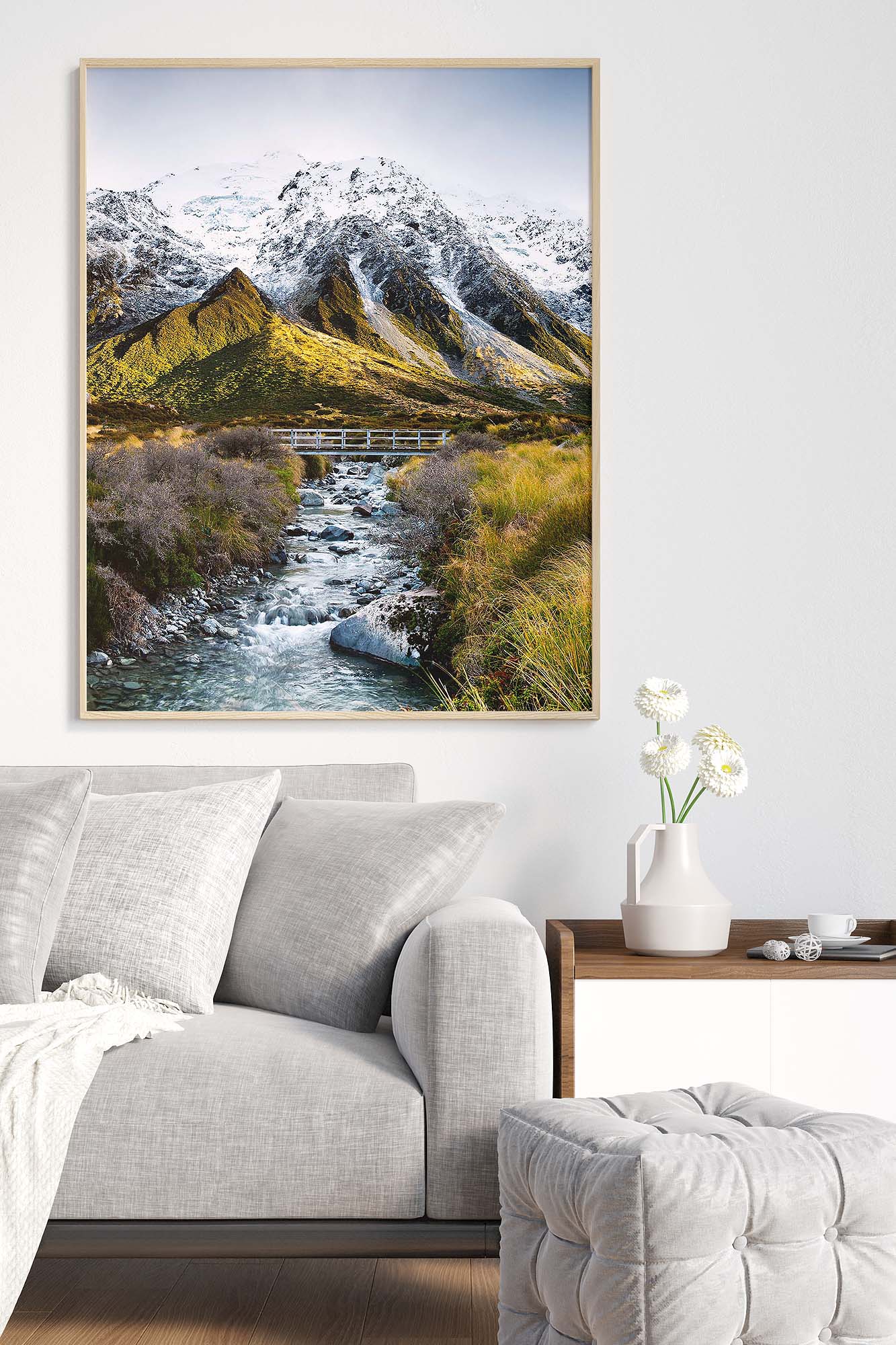
Where to Use Landscape vs Portrait Wall Art
Understanding landscape vs portrait wall art placement is essential for achieving visual balance, proportion, and flow within different rooms of the home.
Each orientation interacts differently with furniture, wall space, and architectural structure, making placement just as important as the artwork itself.
Living Room
- Landscape wall art above sofas and TV units
- Panoramic prints for large feature walls
- Keep artwork centred to furniture width (avoid going too small)
- Single large piece works best for clean, modern styling
👉 Creates visual balance, anchors furniture, and enhances room width
Bedroom
- Landscape wall art above the bed for symmetry and balance
- Portrait prints for bedside walls or corner styling
- Consider softer imagery (coastal, nature, abstract tones)
- Keep spacing even above headboards for a calm feel
👉 Creates a calm, balanced, and visually grounded space
Hallways
- Portrait wall art works best in narrow or transitional spaces
- Use single pieces or evenly spaced series for rhythm
- Keep consistent framing or spacing for flow
- Avoid oversized landscape pieces in tight corridors
👉 Enhances vertical flow, rhythm, and spatial direction
Dining Room
- Landscape or panoramic wall art above dining tables
- Centre artwork to table width, not the room
- Consider atmospheric imagery (landscapes, coastal scenes)
- Use larger scale pieces to match dining furniture presence
👉 Enhances width, atmosphere, and social flow
Office / Commercial Spaces
- Landscape wall art for calm, professional environments
- Portrait wall art for structured visual rhythm
- Use consistent styling across multiple walls for cohesion
- Choose imagery that supports focus and reduces visual clutter
👉 Supports focus, flow, and interior organisation

Landscape vs Portrait vs Panoramic Wall Art (Comparison Guide)
| Orientation | Definition | Best Use | Key Benefit |
|---|---|---|---|
| Landscape (Horizontal) | Horizontal wall art that is wider than it is tall, designed to follow the natural flow of a room | Above sofas, beds, and wide furniture | Creates balance, width, and visual flow |
| Portrait (Vertical) | Vertical wall art that is taller than it is wide, designed to emphasise height and structure | Hallways, narrow walls, and vertical spaces | Adds height and vertical emphasis |
| Panoramic (Extra-Wide Horizontal) | Ultra-wide wall art that extends beyond standard landscape proportions, designed for maximum impact | Feature walls and large open spaces | Creates strong visual impact and a focal point |
Quick Guide: Choosing Landscape vs Portrait Wall Art
✔ Choose Landscape Wall Art if:
- You want balance and horizontal flow within the room
- You are styling above sofas, beds, or long furniture
- You want a versatile, all-purpose orientation that suits most interiors
👉 Best for creating width, calm, and visual stability
✔ Choose Portrait Wall Art if:
- You have narrow or vertical wall spaces
- You want to create height, structure, and upward visual movement
- You want to highlight architectural features or vertical lines
👉 Best for adding elegance, rhythm, and spatial height
✔ Choose Panoramic Wall Art if:
- You want a bold statement piece that defines the space
- You have a large feature wall or open-plan area
- You want maximum visual impact and a cinematic feel
👉 Best for creating strong focal points and immersive interiors
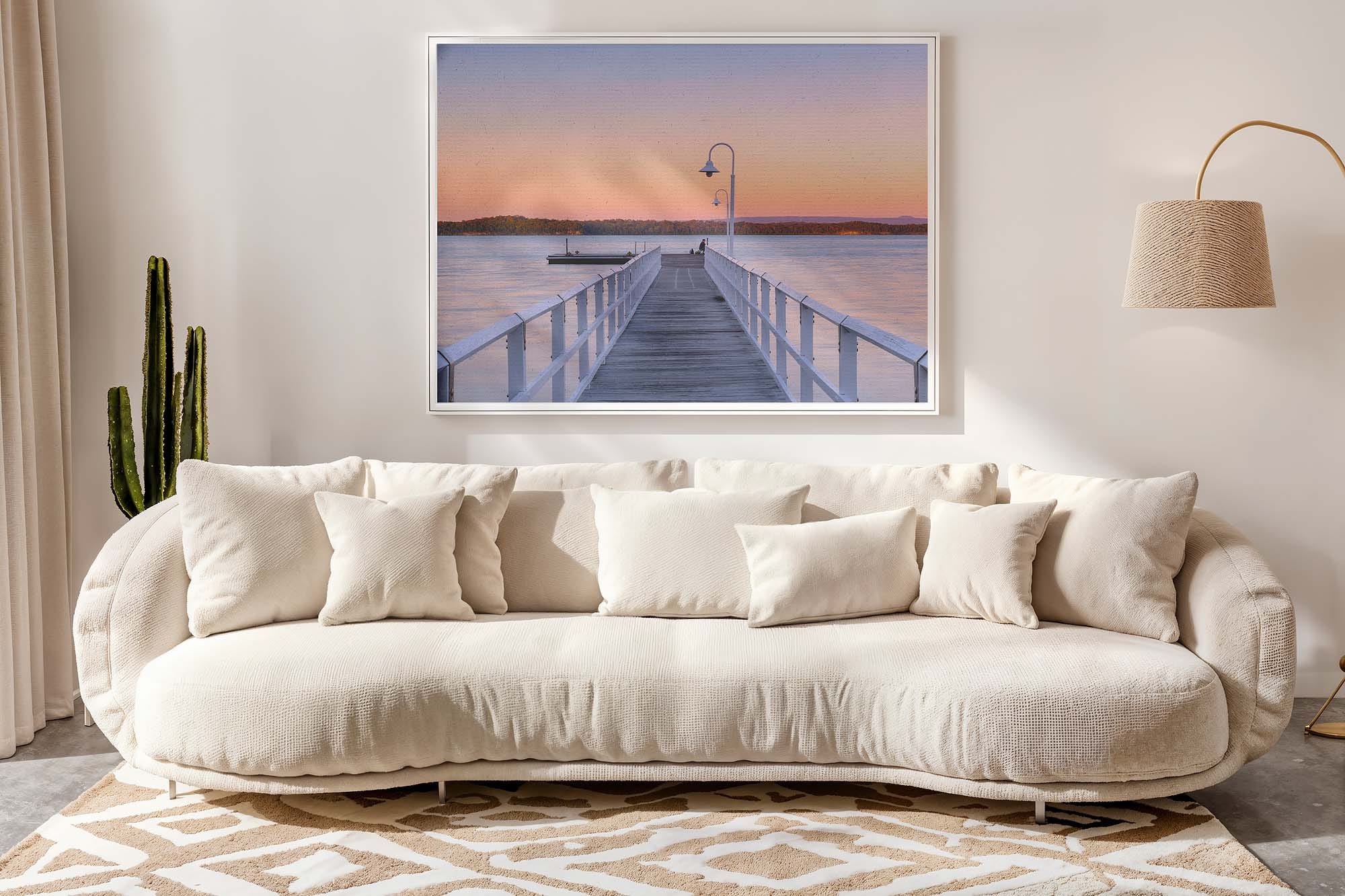
Match Orientation with Print Style
Once you’ve chosen your orientation in landscape vs portrait wall art, the next step is selecting the right print finish. The combination of orientation and material plays a major role in how the artwork feels, performs in light, and integrates with your interior style.
Different print formats enhance different design outcomes — from soft and natural to bold and contemporary.
- Canvas prints → soft, warm, textured finish that suits relaxed interiors and natural light spaces
- Framed prints → timeless, structured presentation that adds definition and balance
- Acrylic prints → bold, modern, high-impact clarity with enhanced colour and depth
- Canvas float frames → premium gallery-style depth with a refined architectural edge
- Poster prints → flexible, lightweight, and affordable styling option for adaptable spaces
👉 The most effective wall art combines the correct orientation with the right print format to achieve balance, impact, and cohesion within your space.
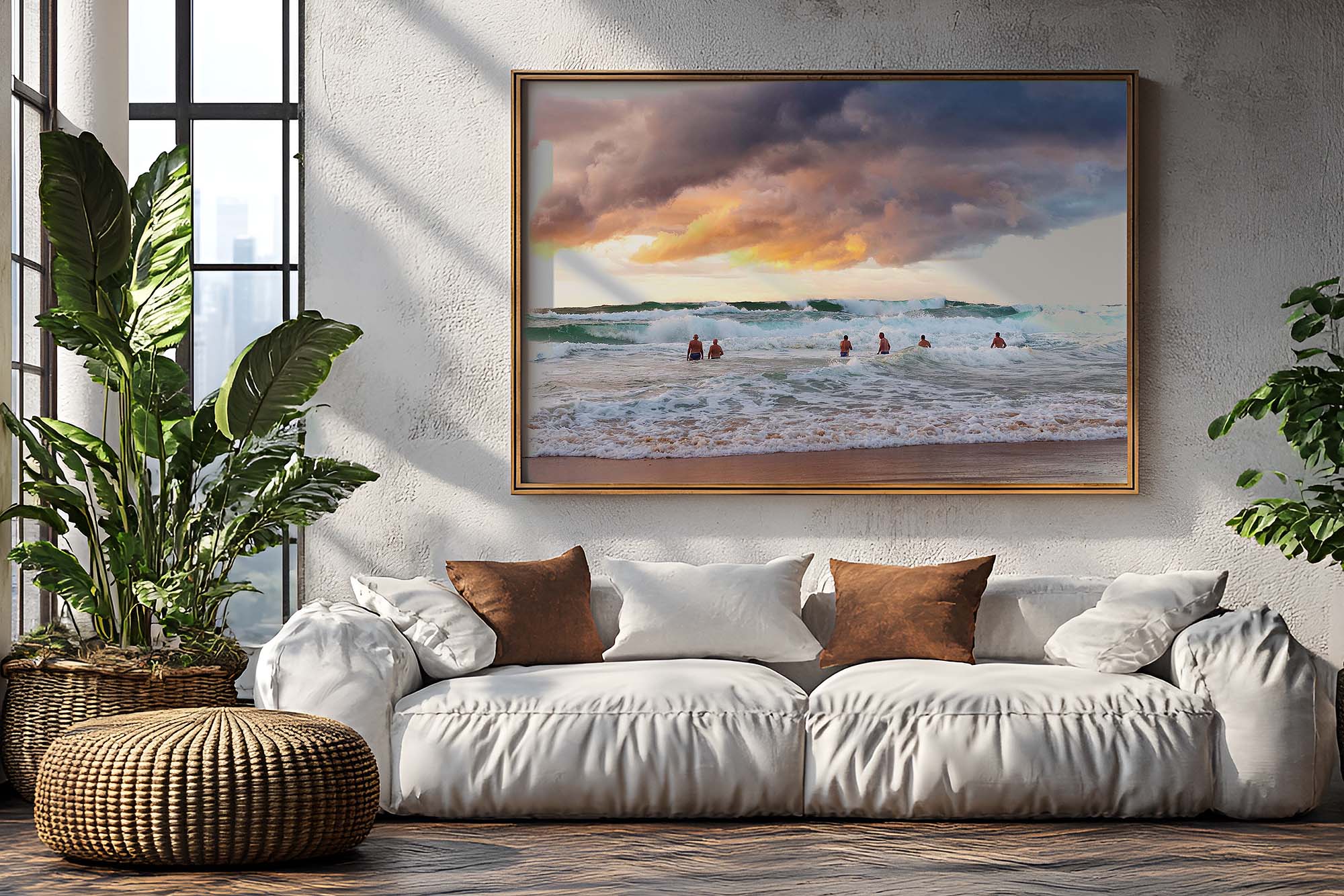
Frequently Asked Questions – Landscape vs Portrait Wall Art
What is the difference between landscape vs portrait wall art?
Landscape vs portrait wall art refers to the orientation of the artwork. Landscape wall art is horizontal (wider than it is tall), while portrait wall art is vertical (taller than it is wide). Landscape orientation is best for wide walls and above furniture, while portrait orientation suits narrow spaces and areas where you want to create height and structure.
Which is better: landscape or portrait wall art?
There is no one “best” option — the right choice depends on your space.
- Landscape wall art is better for creating balance, width, and flow, especially above sofas, beds, and dining tables.
- Portrait wall art is better for narrow walls, hallways, and adding vertical emphasis.
The best results come from matching the orientation to your wall shape and furniture layout.
When should I choose panoramic wall art?
Panoramic wall art is ideal when you want a bold, statement piece for a large wall. It works best in open-plan living areas, above long furniture, or in commercial spaces where scale and visual impact are important. Compared to standard landscape prints, panoramic formats create a more immersive and dramatic effect.
Is landscape wall art better above a sofa?
Yes — landscape wall art is typically the best choice above a sofa. Its horizontal format aligns with the width of the furniture, creating balance and helping anchor the room. For the best result, the artwork should generally span around two-thirds to three-quarters of the sofa width.
Can you use portrait wall art above furniture?
Portrait wall art can be used above furniture, but it works best when styled in pairs or as part of a gallery arrangement. A single portrait piece above a wide sofa may feel too narrow, so it’s better suited to side walls, corners, or smaller furniture pieces.
Does wall art orientation affect how a room feels?
Yes — orientation has a major impact on how a space is perceived.
- Landscape wall art makes a room feel wider and more relaxed
- Portrait wall art makes a space feel taller and more structured
- Panoramic wall art creates a bold focal point and adds scale
Choosing the right orientation helps control visual flow, balance, and atmosphere.
What size wall art should I choose for landscape or portrait prints?
Size depends on both orientation and wall space. Landscape prints should be wide enough to align with furniture, while portrait prints should suit the height of the wall. As a general rule, artwork should feel proportionate to the wall and not appear too small or disconnected.
Can I mix landscape and portrait wall art together?
Yes — mixing orientations can work well when done intentionally. The key is maintaining balance through consistent spacing, alignment, or framing style. Gallery walls often combine landscape and portrait formats to create visual interest while still feeling cohesive.
Is panoramic wall art too large for most homes?
Not necessarily. While panoramic wall art is designed for larger spaces, it can work beautifully in standard homes when used on feature walls or above long furniture. The key is ensuring there is enough wall space for the artwork to breathe and not feel cramped.
What is the best wall art orientation for small spaces?
For small spaces, portrait wall art is often the best option as it uses vertical space efficiently and helps draw the eye upward. However, smaller-scale landscape prints can also work well when carefully sized and positioned.