Knowing how to hang wall art correctly is just as important as choosing the artwork itself. The right wall art placement, height, and spacing can completely transform a room — while poor positioning can make even beautiful prints feel unbalanced or disconnected.
This complete wall art placement guide covers exactly how high to hang wall art, how much spacing to leave, and how to position artwork above furniture for a balanced, professional look. It will show you exactly how to hang wall art like a professional, including ideal height above furniture, spacing rules for multiple frames, gallery wall layouts, and common hanging mistakes to avoid.
Whether you’re hanging a single statement piece or creating a full gallery wall, these proven interior design rules will help you achieve perfect balance and visual flow.
Why Proper Wall Art Placement Matters
Correct wall art placement is a key interior design principle that impacts how a space feels and functions.
When artwork is hung correctly, it can:
- Improve room balance and proportion
- Create a natural visual focal point
- Enhance furniture and architectural features
- Make rooms feel more cohesive and designed
- Increase the perceived value of your space
Poor placement, on the other hand, often results in artwork feeling too high, too small, or disconnected from the room. Orientation plays a key role in how a room feels → Landscape vs Portrait Wall Art
The Correct Height to Hang Wall Art
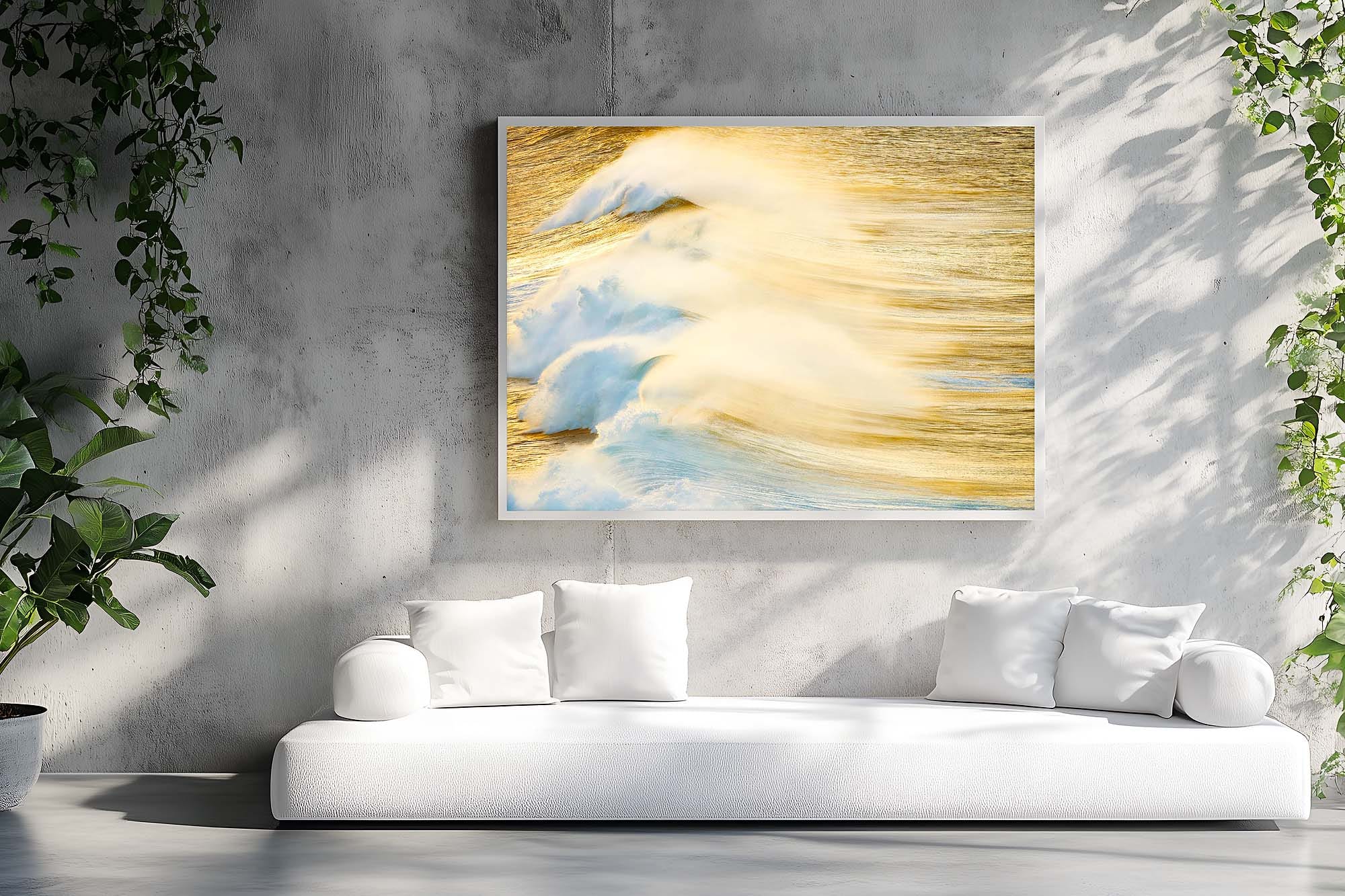
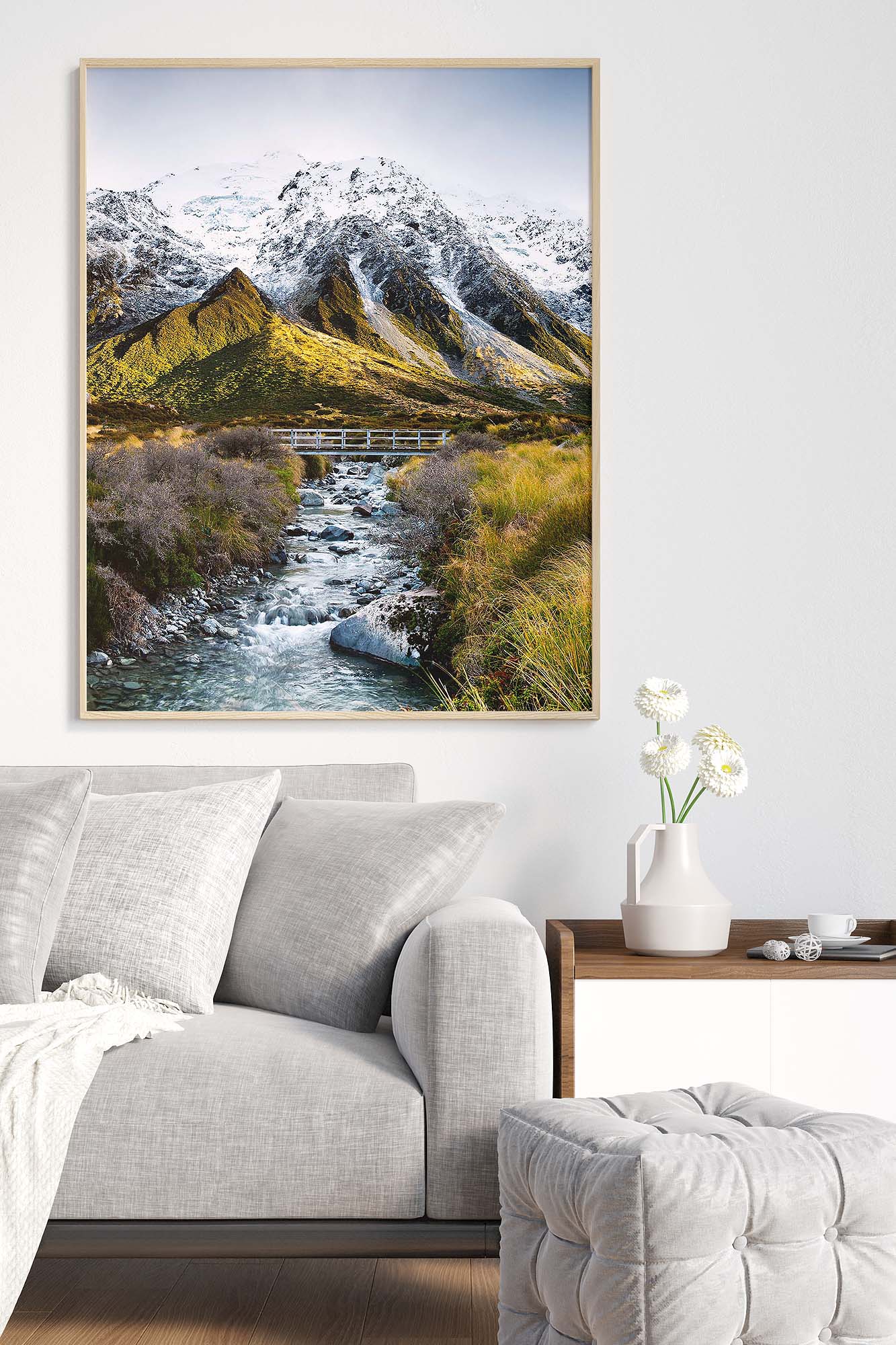
The correct height to hang wall art is at eye level, with the centre positioned approximately 145–155cm from the floor. When hanging above furniture, leave 15–25cm between the artwork and the furniture below. When hanging wall art above furniture such as sofas, beds, or console tables, correct spacing is essential for achieving a balanced and professionally styled look. This is one of the most important principles in wall art placement, as it ensures your artwork feels connected to the space rather than floating too high on the wall.
✔ Recommended spacing above furniture
Leave 15–25cm between the top of the furniture and the bottom of the artwork. This creates a strong visual link and helps anchor the artwork within the room.
✔ Quick spacing guide for different furniture
Above a sofa, allow a 15–20cm gap for a clean, cohesive look.
Above a bed, allow a 20–30cm gap to provide height and visual breathing space.
Above a console table, maintain a 15–25cm gap for balanced proportion.
Above a dining buffet, keep a 15–20cm gap to maintain alignment and flow.
✔ Pro placement tips
Always centre artwork in relation to the furniture, not the wall, to create a cohesive and intentional layout. Artwork should generally be around 60–75% of the furniture width to achieve the right scale and proportion. Avoid hanging artwork too high, as this is the most common mistake and can make the piece feel disconnected from the room. It’s also important to consider ceiling height, as rooms with very high or low ceilings may require slight adjustments to maintain visual balance.
👉 When wall art is positioned at the correct height above furniture, it creates a cohesive, intentional look that ties the entire room together and enhances the overall interior design.
Wall Art Spacing Guide (Single & Multiple Frames)
Correct wall art spacing between frames is essential for balance and visual flow.
✔ Single artwork:
- Centre on the wall or above furniture
- Allow generous negative space around it
- Avoid pushing it too high or too close to edges
✔ Two or more artworks:
- Keep spacing consistent between frames
- Ideal spacing: 5–10cm apart
Smaller spacing feels modern and cohesive, while wider spacing creates a more relaxed gallery feel.
Gallery Wall Hanging Guide (Spacing & Layout Rules)
A gallery wall requires consistency, structure, and balance. Gallery walls work best when you start with well-curated artwork → Best Wall Art Prints Guide
✔ Gallery wall spacing:
- Tight modern look: 5–8cm between frames
- Relaxed layout: 8–12cm between frames
✔ Professional layout tips:
- Start with a central anchor piece
- Build outward evenly from the centre
- Maintain at least one visual alignment point (top, centre, or bottom line)
- Mix sizes and orientations while keeping spacing consistent
👉 Tip: Always lay your layout on the floor first before hanging.
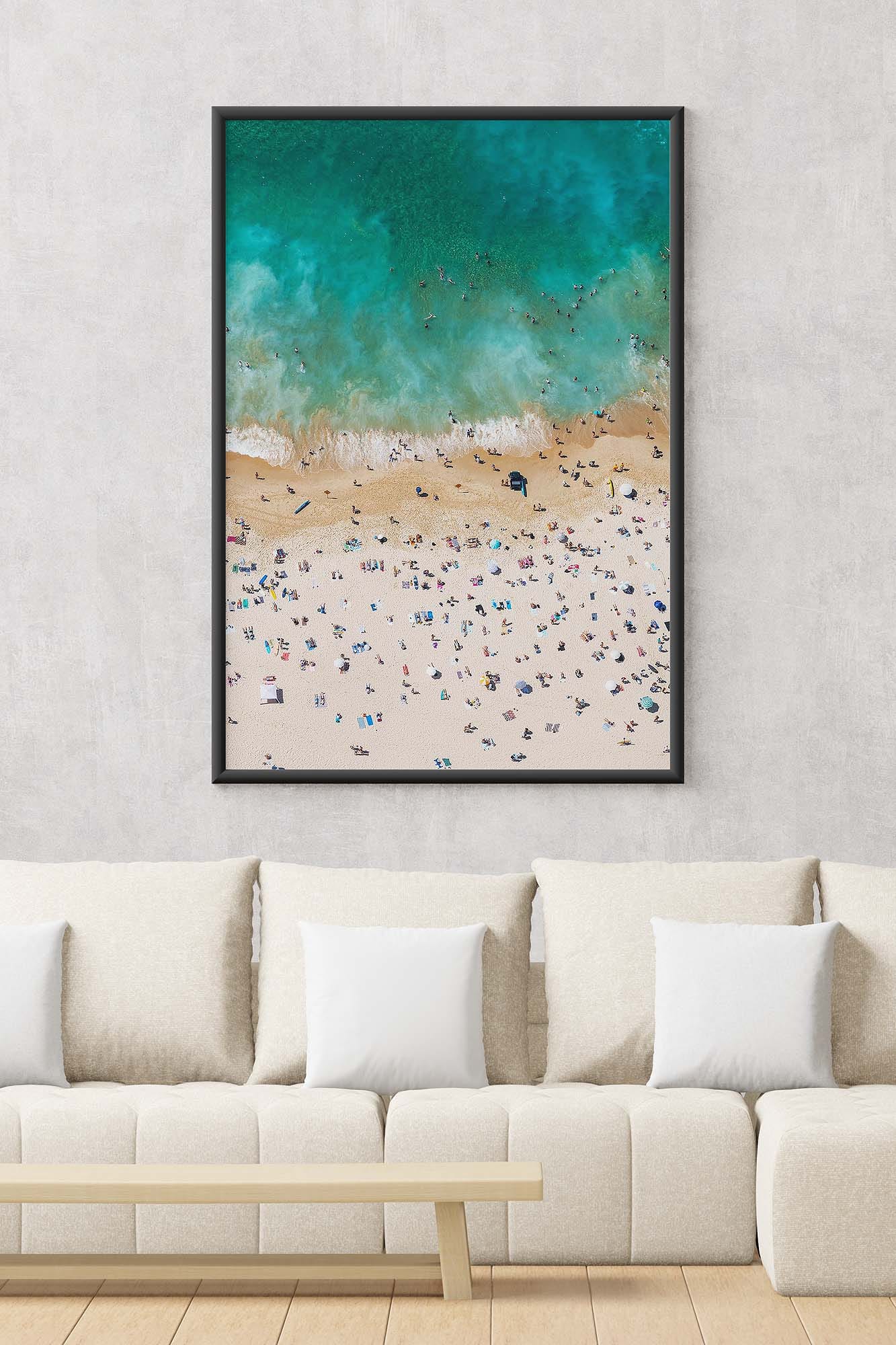
Great wall art doesn’t just fill a space — it brings the room to life, creating balance, feeling, and a place that truly feels like home.
Centre Alignment vs Asymmetrical Wall Art Layouts
There are two main wall art hanging styles, and both can be effective depending on your space.
✔ Centre-aligned wall art
Best for:
- Sofas and beds
- Minimalist interiors
- Symmetrical room layouts
Creates a clean, balanced, and structured appearance.
✔ Asymmetrical gallery wall layout
Best for:
- Hallways and staircases
- Coastal or relaxed interiors
- Creative styling approaches
This style feels more organic but still requires balance through spacing and visual weight.
How Wall Art Size Affects Placement
Your wall art size selection directly influences where and how you hang it.
✔ Large wall art:
- Works best as a focal point
- Can sit slightly lower for stronger impact
- Needs more surrounding negative space
✔ Medium wall art:
- Most versatile size
- Ideal for above furniture placement
- Works well alone or in groups
✔ Small wall art:
- Best used in pairs or gallery walls
- Avoid hanging alone on large walls
👉 Choosing the correct print size is essential for achieving balanced wall art placement.
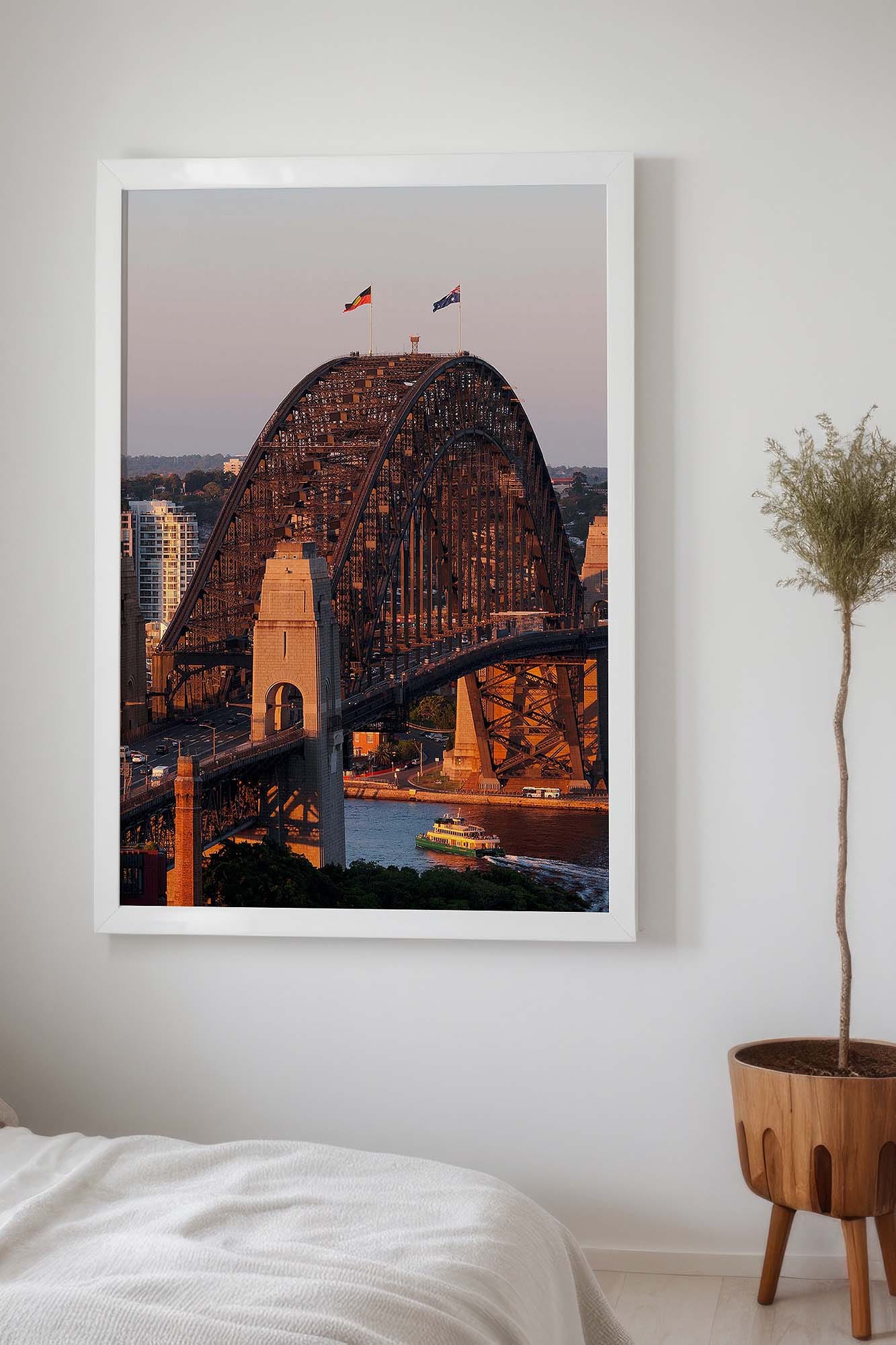
Common Wall Art Hanging Mistakes to Avoid
Avoid these common errors when hanging artwork:
❌ Hanging wall art too high
This is the most frequent mistake and disconnects art from furniture.
❌ Using artwork that is too small
Small pieces on large walls feel lost and unfinished.
❌ Uneven spacing in gallery walls
Inconsistent gaps disrupt visual flow and balance.
❌ Ignoring furniture width
Artwork should relate to the width of furniture below it.
Quick Wall Art Hanging Rules (Professional Summary)
By following these wall art hanging, spacing, and height guidelines, you can confidently style any room like a professional interior designer. If you only remember a few wall art hanging rules, these are the key principles interior designers use to create balanced, visually appealing spaces:
- Hang wall art at eye level
Position the centre of your artwork at 145–155cm from the floor so it sits naturally within your line of sight. - Hang artwork in relation to furniture — not the wall
Always align your piece with the furniture below it to create a connected, intentional look. - Leave the correct gap above furniture
Maintain 15–25cm between the top of furniture and the bottom of the artwork to avoid a floating appearance. - Choose the right width for balance
Artwork should be approximately 60–75% of the width of the furniture it sits above for proper visual proportion. - Keep spacing between frames consistent
For multiple pieces, allow 5–10cm between frames to create a clean, cohesive layout. - Use tighter spacing for modern looks, wider for relaxed styles
Smaller gaps feel structured and contemporary, while larger spacing creates a softer, more open feel. - Use large artwork as a focal point
Bigger pieces can anchor a room and should be given enough surrounding space to stand out. - Group smaller artworks together
Avoid placing small prints alone on large walls — they work best as part of a gallery arrangement. - Align edges for a professional finish
Keep at least one consistent line (top, bottom, or centre) when hanging multiple pieces. - When in doubt, hang slightly lower rather than higher
Hanging artwork too high is the most common mistake — lower placement almost always feels more balanced.
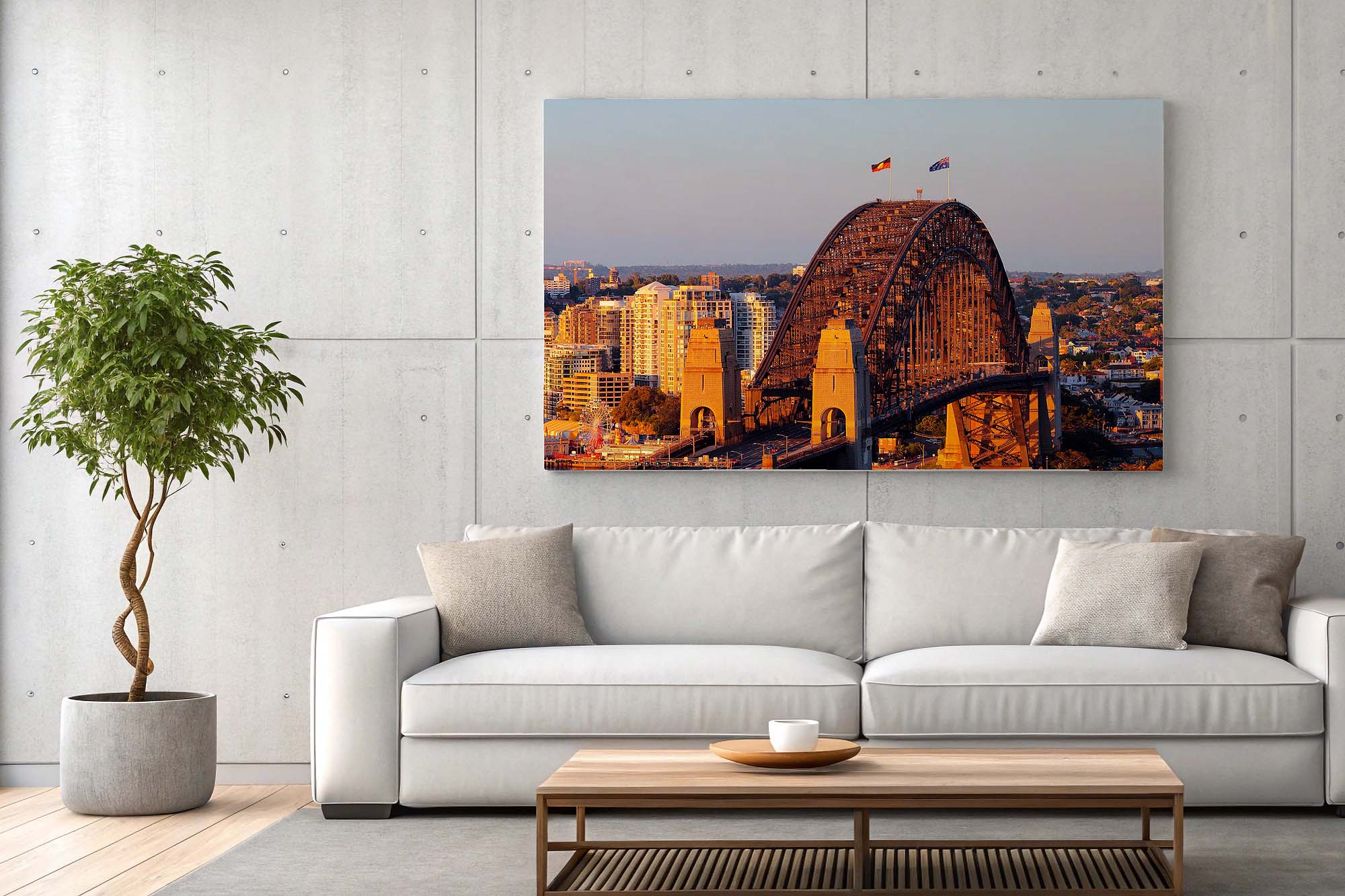
Explore Our Wall Art Prints Collection
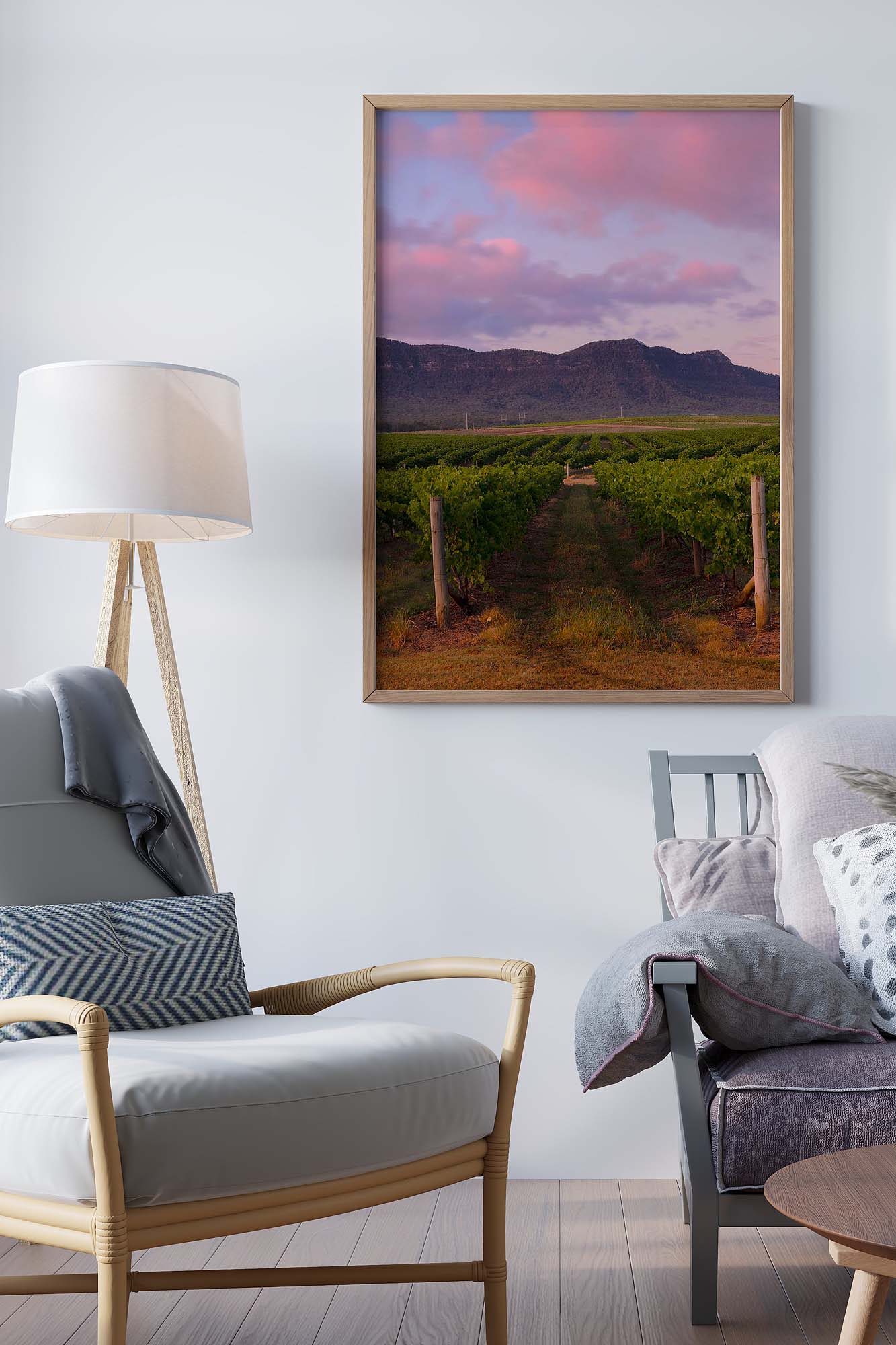
Now that you know exactly how to hang wall art correctly, the next step is choosing the perfect piece for your space. Explore a curated range of premium wall art prints featuring stunning Australian landscapes and coastal scenes. Designed to suit any space, each piece is crafted to bring balance, style, and visual impact to your home.


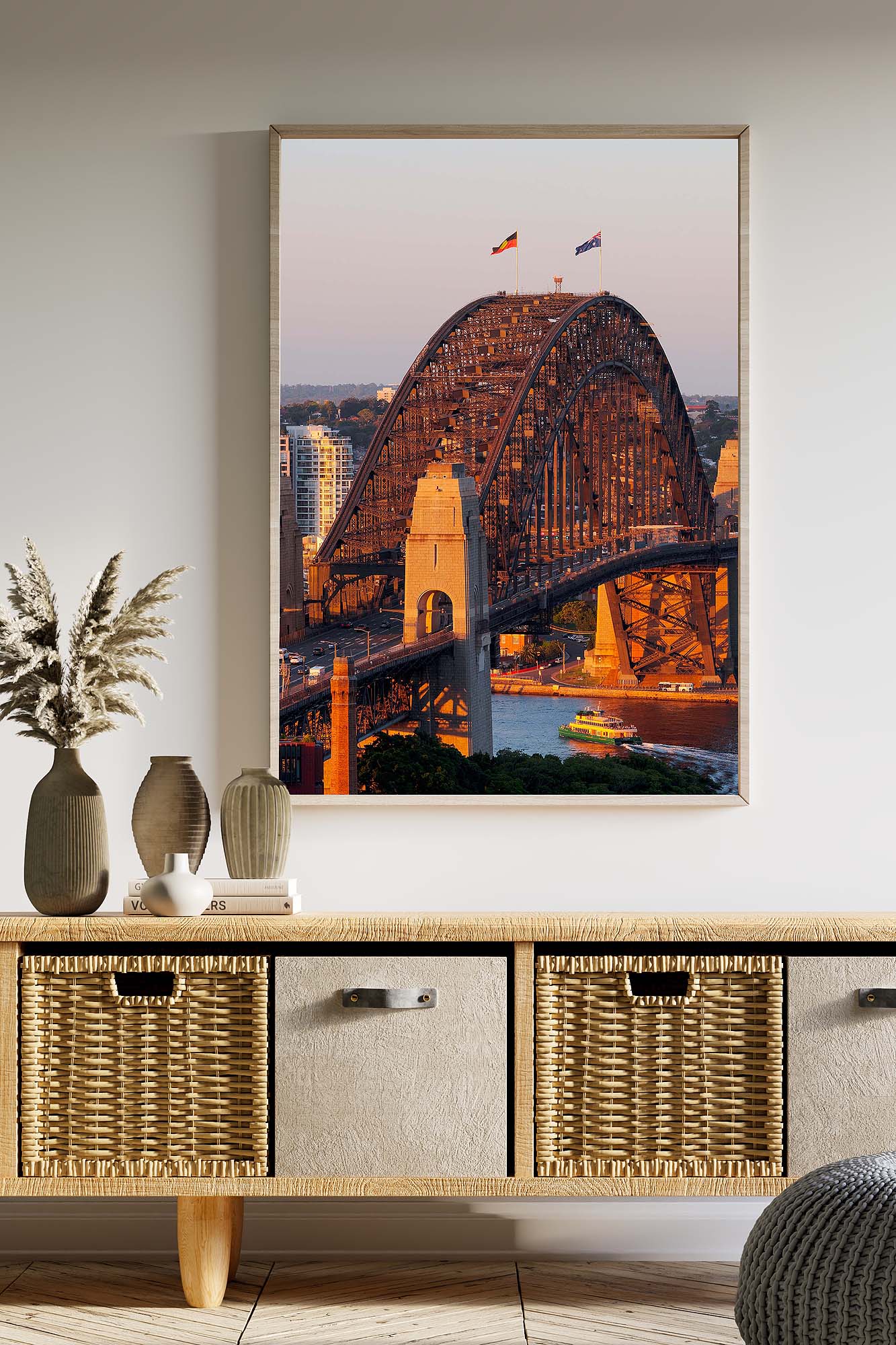


Professional Art Hanging Height Guidelines
These wall art placement guidelines are based on widely used interior design principles commonly followed in professional styling and interior architecture practices, including standard eye-level placement and proportional spacing used by professional art installers and designers. Learn more about professional art hanging height guidelines from industry installers.
Frequently Asked Questions About Hanging Wall Art
What is the correct height to hang wall art?
The correct height to hang wall art is at eye level, with the centre of the artwork positioned around 145–155cm from the floor. This standard ensures the piece feels naturally placed within the room and is comfortable to view.
How high should wall art be above a bed?
When hanging wall art above a bed, the ideal placement is to leave 20–30cm between the top of the bed (or headboard) and the bottom of the artwork. This ensures the artwork feels visually connected to the bed while still giving enough breathing space to avoid looking crowded.
As a general rule, the artwork should also be centred with the bed and sized proportionally to the bed width — ideally around 60–75% of the bed’s width. This creates balance and helps the artwork feel like part of the overall bedroom design rather than floating too high on the wall.
How far apart should wall art frames be?
Wall art frames should typically be spaced 5–10cm apart. Tighter spacing creates a clean, modern look, while slightly wider spacing gives a more relaxed, gallery-style feel. The key is keeping spacing consistent across all pieces.
How do you hang wall art above a sofa?
When hanging wall art above a sofa, leave 15–20cm between the top of the sofa and the bottom of the artwork. The artwork should also be approximately 60–75% of the width of the sofa to create proper visual balance.
Should wall art be centred on the wall or furniture?
Wall art should be centred in relation to the furniture below it, not the wall itself. This creates a cohesive and intentional design, ensuring the artwork feels anchored rather than floating.
What size wall art should I use above furniture?
As a general rule, wall art should be 60–75% of the width of the furniture it hangs above. This proportion helps create balance and prevents the artwork from looking too small or oversized for the space.
Is it better to hang wall art too high or too low?
It is always better to hang wall art slightly too low rather than too high. Artwork that is too high feels disconnected from the room, while slightly lower placement creates a stronger visual connection with furniture.
How do you arrange multiple pieces of wall art?
When arranging multiple pieces, keep spacing consistent (5–10cm apart) and align at least one edge (top, bottom, or centre). Start with a central piece and build outward to maintain balance and structure.