

Photography Licensing Explained
Photography licensing explained simply refers to the legal framework that allows businesses, organisations, and individuals to use professional images under defined usage rights, while the photographer retains full copyright ownership.
Rather than purchasing the image outright, you are licensing its use for specific purposes, such as websites, marketing, advertising, or publications. These rights clearly define how, where, and for how long the image can be used, ensuring full legal compliance while maintaining creative ownership with the photographer.
This system allows businesses to access high-quality professional photography confidently, while ensuring images are used correctly, ethically, and in line with licensing agreements.
For commercial usage options and regional imagery, see our image licensing services in Newcastle
How Photography Licensing Works
To fully understand photography licensing explained, it’s important to break down how usage rights are structured within a licensing agreement.
When an image is licensed, the agreement clearly defines the scope of use, including:
- Where the image can be used (websites, print, advertising, social media, etc.)
- Type of use (commercial, editorial, or promotional applications)
- Duration of usage rights (time-limited or ongoing usage terms)
- Distribution scale (local, national, or international reach)
This structured approach ensures complete clarity for both the client and photographer. It prevents misuse, protects copyright ownership, and allows businesses to confidently use professional imagery across marketing, branding, and media channels with clear legal usage rights.
Why Photography Licensing is Important
Understanding photography licensing explained is essential for any business, organisation, or creator using professional imagery in commercial or public-facing contexts.
Proper licensing ensures your business operates legally and confidently while maintaining a high standard of visual communication across all platforms.
Correct photography licensing provides:
- Full legal compliance when using images for commercial purposes
- Protection from copyright infringement and misuse claims
- Consistent and professional brand presentation across all media
- Access to high-quality, location-specific photography that strengthens visual identity
For businesses across Newcastle, Lake Macquarie, Sydney, and the Hunter Region, licensed local photography is particularly powerful. It builds trust and recognition by showcasing real, familiar environments that audiences instantly connect with, helping brands feel more authentic, credible, and regionally relevant.
Common Uses of Licensed Photography
Licensed photography is used across a wide range of industries, platforms, and commercial applications where professional, legally compliant imagery is required.
Understanding photography licensing explained in real-world use cases helps businesses recognise just how versatile and essential licensed imagery is for modern marketing, branding, and communication.
Common uses of licensed photography include:
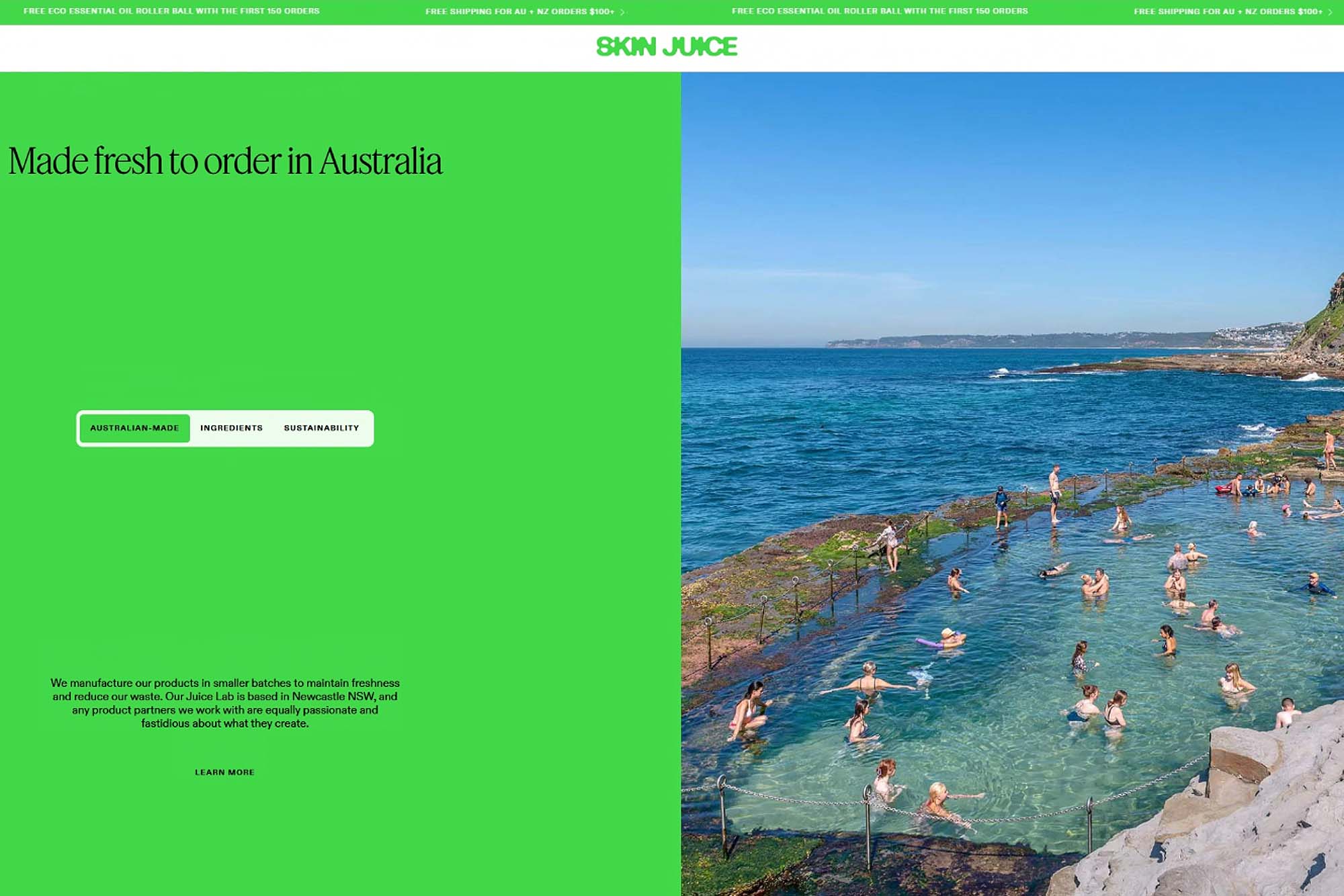
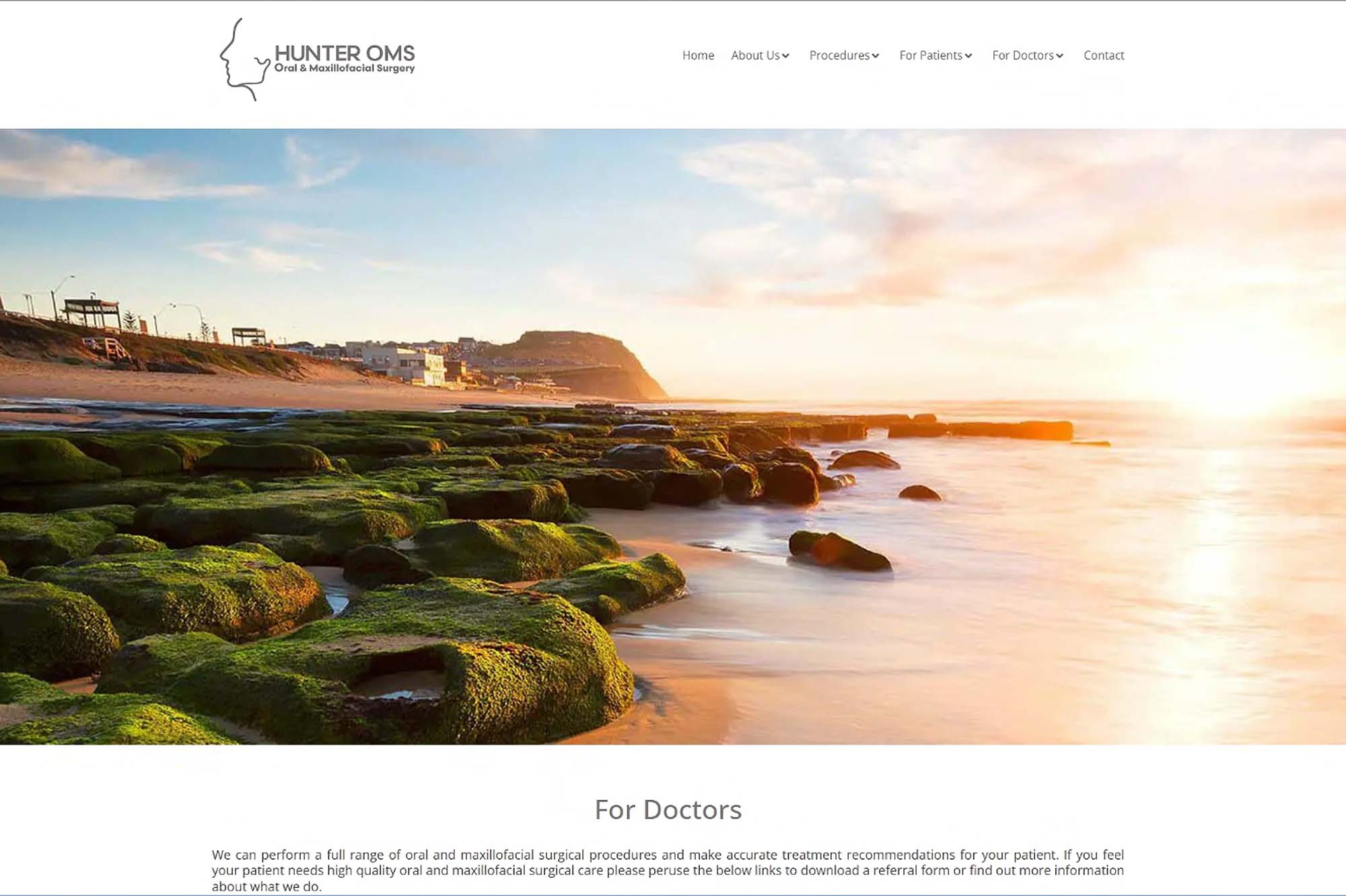
- Websites and digital platforms (homepages, landing pages, service pages, eCommerce sites)
- Digital marketing campaigns (Google Ads, display advertising, remarketing creatives)
- Social media content (organic posts, paid ads, reels, and brand storytelling)
- Email marketing campaigns and newsletters
- Search engine marketing and online promotions
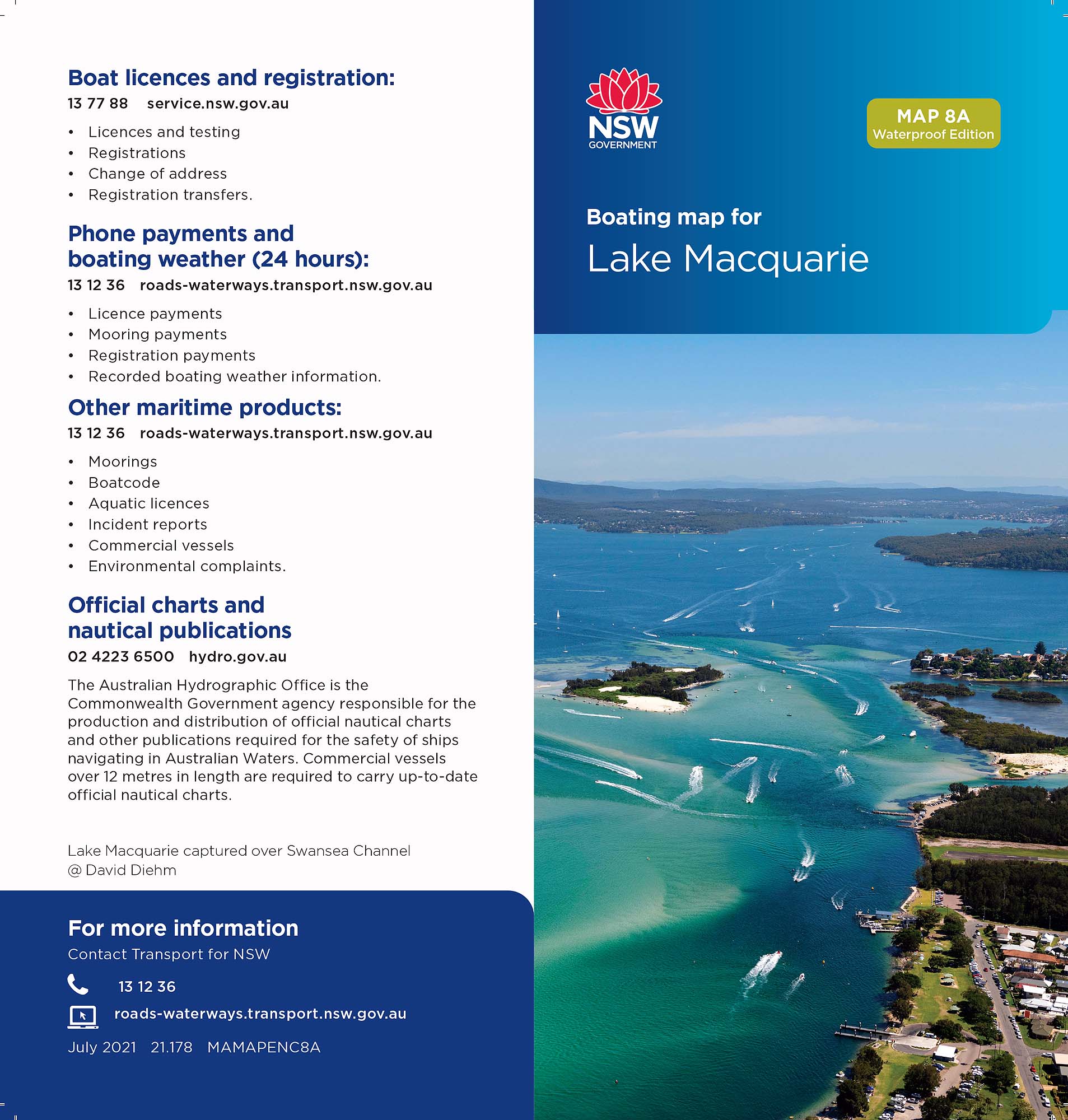
- Print publications such as brochures, flyers, catalogues, magazines, and newspapers
- Corporate reports and annual reports
- Business presentations and investor decks
- Government and council publications
- Educational and institutional materials
- Editorial and media publications (online news, blogs, journals, and feature articles)
- Tourism campaigns and destination marketing materials
- Real estate and property marketing (developments, listings, signage, and brochures)
- Brand identity and visual storytelling assets
- Hospitality and venue marketing (hotels, restaurants, cafes, and events)
- Large-format and environmental applications
- Billboards and outdoor advertising
- Bus stops and transit advertising
- Office wall installations and interior branding
- Retail and hospitality fit-outs
- Display homes and showrooms
- Exhibition stands and trade shows
This wide range of applications highlights why photography licensing explained is such an important concept for businesses. It ensures imagery is used legally, consistently, and effectively across every stage of communication — from digital marketing through to large-scale commercial installations.
Commercial vs Editorial Photography Licensing
A key part of photography licensing explained is understanding the two primary categories of usage rights, as they determine how an image can be legally used across commercial, media, and publishing platforms.
Commercial licensing
Commercial licensing applies when an image is used to promote, advertise, or sell a product, service, brand, or organisation. This includes all forms of business marketing and promotional activity.
Typical uses include:
- Business websites and landing pages
- Advertising campaigns (digital and print)
- Social media marketing and paid ads
- Branding and corporate communications
- Property, tourism, and product marketing
Editorial licensing
Editorial licensing applies when an image is used for informational, educational, or journalistic purposes where there is no direct commercial promotion of a product or service.
Typical uses include:
- News articles and online publications
- Educational content and blogs
- Books, journals, and research materials
- Documentaries and informational media
- Public interest or storytelling content
Why the distinction matters
Understanding the difference between commercial and editorial usage is essential to ensure photography is used correctly, legally, and in accordance with licensing agreements.
Correct classification protects both the user and the photographer, while ensuring imagery is applied in the appropriate context across all platforms.
Photography Licensing in Newcastle & Australia
Photography licensing in Newcastle and across Australia is an essential service for businesses, councils, tourism organisations, property developers, publishers, and creative agencies that require high-quality, legally compliant imagery for commercial and editorial use.
Locally captured photography is especially powerful because it reflects real, recognisable Australian environments that audiences instantly connect with, including:
- Newcastle coastline and harbour landscapes
- Lake Macquarie waterways and coastal scenery
- Sydney urban cityscapes and architectural environments
- Hunter Valley rural landscapes, vineyards, and regional areas
Using authentic local imagery strengthens brand credibility, improves audience engagement, and creates a stronger emotional connection by visually aligning businesses with the places they operate in.
This is a key reason why photography licensing in Newcastle and Australia continues to grow in importance across digital marketing, branding, and large-scale commercial communication.

Where to Access Licensed Photography
you are looking for professional, location-specific imagery, photography licensing explained in practice means accessing curated collections of high-quality Australian landscape photography that are ready for commercial, editorial, and digital use.
These licensed image collections provide businesses with flexible, legally compliant visual assets that can be used across websites, marketing campaigns, publications, and large-scale branding projects.
👉 Explore our Image Licensing Newcastle services for commercial, editorial, and digital usage options across Newcastle, Lake Macquarie, Sydney, and the Hunter Region.
Summary
Photography licensing explained is the foundation of how professional imagery is legally used across commercial, editorial, and digital platforms.
It ensures that businesses understand image usage rights, maintain legal compliance, and access high-quality photography that supports strong branding and marketing outcomes.
By applying correct licensing, businesses can confidently use professional imagery across websites, advertising, publications, and large-scale commercial projects while maintaining consistency, authenticity, and legal protection.
