
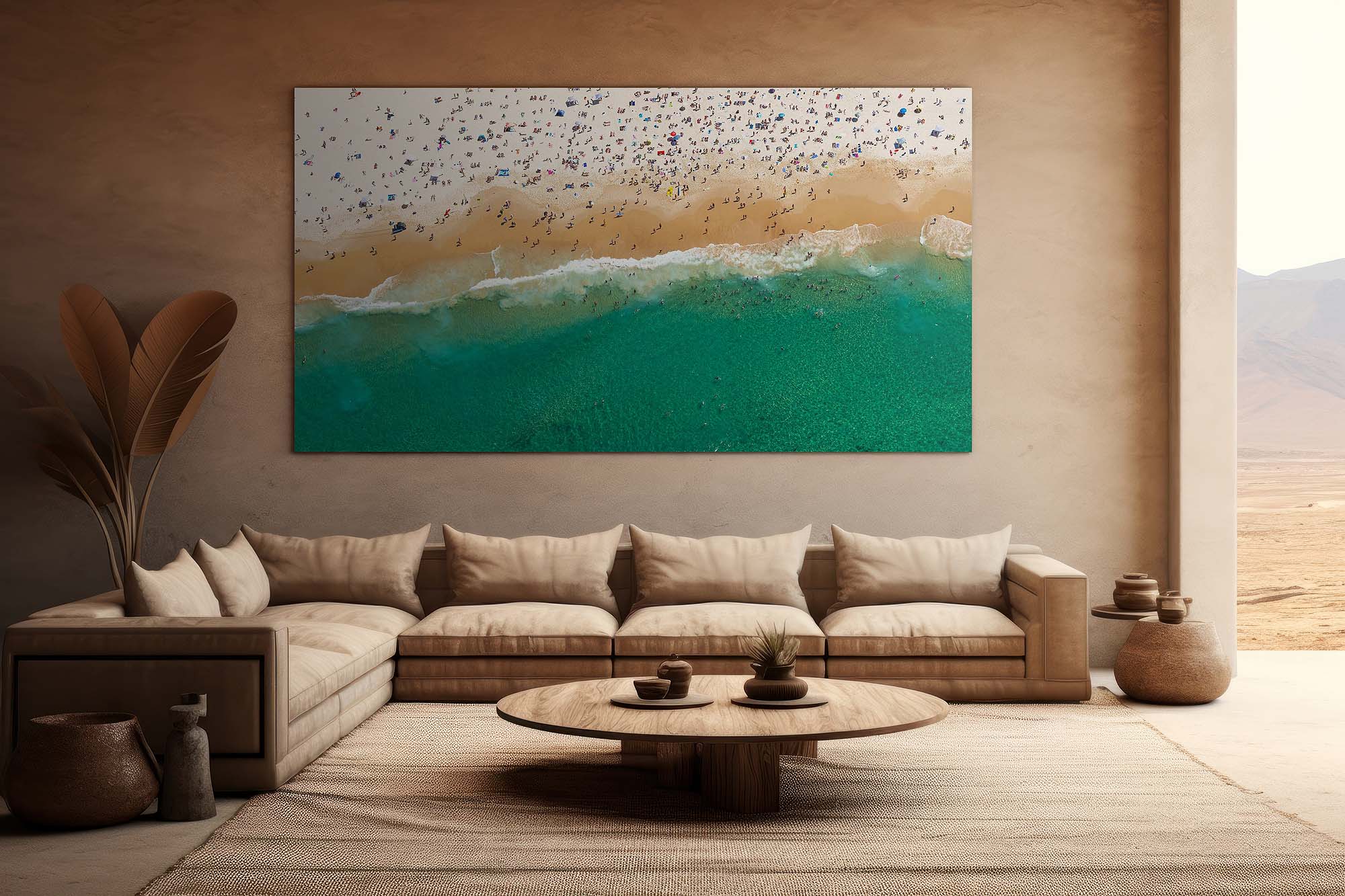
Commercial Wall Art – Sydney Offices, Hotels and Interiors
Sydney is one of the most visually stunning cities in the world, with iconic architecture, dramatic harbours, and beautiful coastline. Capturing this essence in commercial wall art allows businesses, hotels, and hospitality venues to transform ordinary walls into inspiring environments that impress clients, staff, and visitors alike.
Whether you’re an office manager, interior designer, hotel manager, or corporate client, choosing the right commercial wall art is key to creating spaces that feel professional, welcoming, and sophisticated.
Why Commercial Wall Art Works for Businesses
Commercial spaces have unique requirements compared to residential interiors. While homeowners may choose wall art based on personal taste, businesses are looking for artwork that:
- Complements the design and aesthetic of the space
- Reflects the city and culture of the location
- Creates a professional and sophisticated atmosphere
- Fits the scale of large walls, corridors, or lobbies
Sydney commercial wall art achieves all of this by combining iconic city imagery with the natural beauty of the surrounding coastline. From the sweeping curves of Bondi Beach to the dramatic vistas of Sydney Harbour and the architectural elegance of the Sydney Opera House, these images elevate any commercial interior.

Ideal Commercial Applications
Sydney commercial wall art works beautifully in a range of commercial environments:
-
Offices and Boardrooms – Large framed prints or canvas pieces define meeting spaces and create inspiring environments for employees and clients.
-
Hotels and Resorts – Lobbies, corridors, and guest rooms can be transformed with iconic Sydney imagery that connects visitors to the city.
-
Medical Clinics – Photography can create a calming, welcoming environment for patients, enhancing the overall experience.
-
Corporate and Hospitality Venues – Restaurants, bars, and event spaces benefit from striking wall art that becomes a talking point while reinforcing brand identity.
Large Format Commercial Wall Art
Businesses often require large format commercial wall art to fill expansive spaces, and each type of print offers a unique way to showcase Sydney photography at scale. Our premium options include:
-
Framed Prints – Classic and versatile, framed prints are perfect for offices, boardrooms, and reception areas. The frame adds structure and elegance while protecting the artwork, making it ideal for high-traffic spaces.
-
Canvas Prints – Canvas offers a timeless, textured finish that works beautifully in modern interiors. It creates a gallery-style effect with depth and warmth, perfect for offices, lounges, or meeting rooms.
-
Canvas with Float Frame – For a contemporary twist on classic canvas, the float frame adds a clean, elevated look. The artwork appears to “float” within the frame, giving it a professional, high-end aesthetic suitable for corporate spaces and boutique hotels.
-
Acrylic Prints – Acrylic prints provide a sleek, contemporary finish with vibrant colors and a high-gloss surface. They’re perfect for modern commercial spaces where striking visual impact is needed, such as lobbies or client-facing areas.
-
Panoramic Wall Art – Ideal for large corridors, open-plan offices, and hotel lobbies, panoramic prints allow sweeping Sydney vistas to make a bold statement. The expansive format creates a dramatic focal point, bringing the city’s beauty to life at scale.
Each piece is carefully produced to maintain crisp detail, vibrant colors, and exceptional quality, ensuring maximum visual impact while enhancing your professional environment.

Working With Interior Designers
Interior designers and architects often seek commercial wall art to elevate their projects and create spaces that feel curated, professional, and memorable. High-quality Sydney photography provides designers with a versatile tool to achieve both aesthetic appeal and functional impact.
With commercial wall art, designers can:
-
Reflect the Character of Sydney – Incorporating iconic cityscapes, harbour views, or coastal scenes into interiors helps establish a strong sense of place. Whether the project is a corporate office, hotel lobby, or hospitality venue, artwork that celebrates Sydney’s unique beauty adds authenticity and a local connection.
-
Incorporate Visual Storytelling – Photographic wall art can tell a story within a space, guiding visitors’ attention, evoking emotion, and enhancing the overall design narrative. For example, a panoramic Sydney Harbour view in a hotel lobby can create a sense of openness and luxury, while coastal photography in a restaurant or café adds calm and sophistication.
-
Source Versatile and Customizable Prints – High-quality photography offers flexibility in format, size, and finish. Designers can select framed prints, acrylic, canvas, or canvas with float frames to match the room’s aesthetic, lighting, and spatial requirements. Large-format prints allow expansive walls to become impactful visual focal points, while smaller works can complement existing décor.
-
Streamline Project Execution – Reliable, professional photography simplifies sourcing artwork for commercial projects. Designers can access a curated collection of Sydney imagery ready for installation, saving time while ensuring that the artwork meets the standards expected in high-end commercial spaces.
“Many interior designers and architects look for high-quality photographic artwork that reflects the character of Sydney. Large format prints of the harbour, coastline, or city skyline can completely transform the feel of a space, making it not just functional, but memorable and inspiring.”
By collaborating with designers, commercial wall art becomes more than decoration — it becomes an integral part of the design, helping create spaces that impress clients, enhance employee experience, and elevate brand presence.
Why Choose Sydney Commercial Wall Art
Investing in commercial wall art is more than decoration — it’s a statement. Businesses often purchase:
-
Multiple artworks for a cohesive interior design
-
Large, high-quality prints that command attention
-
Premium finishes suitable for professional environments
For example, hotel refurbishments sometimes require hundreds of artworks, making commercial wall art a long-term investment in aesthetics and brand experience. Sydney commercial wall art also communicates a sense of place, celebrating the city’s beauty while enhancing the professional environment.
Explore Sydney Commercial Wall Art for Your Space
Whether you are outfitting a corporate boardroom, designing a hotel lobby, or creating a modern office interior, commercial wall art brings a unique sense of identity and sophistication to any space.
Explore our full Sydney commercial wall art collection and discover large-format, premium prints designed specifically for businesses and commercial interiors:
Bring the essence of Sydney to your office, hotel, or commercial venue — because great commercial wall art transforms not just spaces, but experiences.

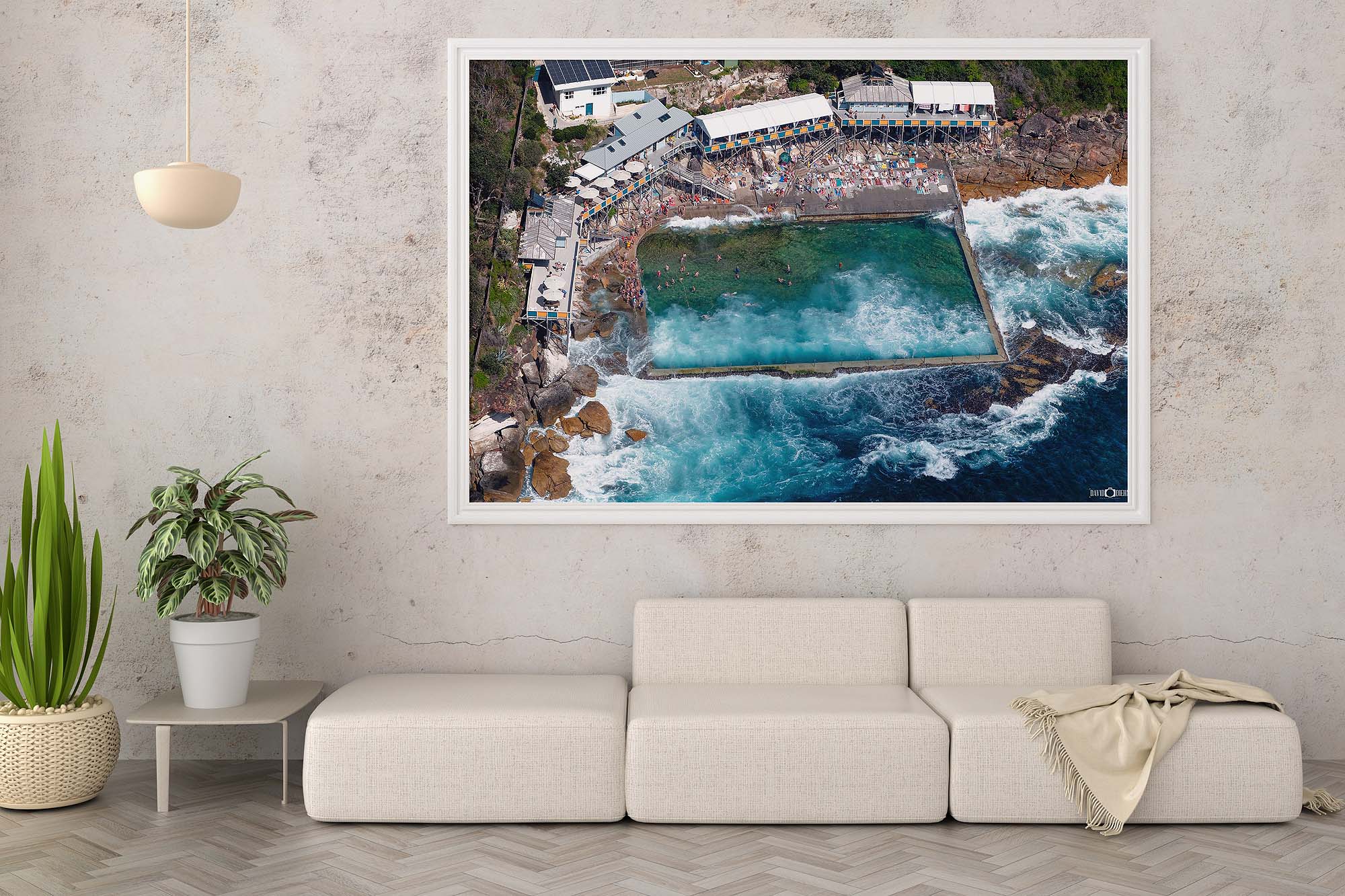
How to Purchase Newcastle Art
Purchasing your David Diehm Photography Sydney Commercial Wall Art is simple:
1. Select Your Print
Browse the collection and choose your preferred location, image, size, and print format.
2. Choose Your Format & Size
Select from canvas, framed, acrylic, float frame, or poster print — and choose the size that best suits your space.
3. Add to Cart & Checkout
Complete your purchase securely through our online checkout.
4. Production & Delivery
Your artwork is professionally produced locally in Newcastle and carefully packaged for delivery or local pick-up.
If you have any questions about sizing, format, or installation — feel free to contact us before ordering.

