15 Best Lookouts in Lake Macquarie NSW (Local Guide)
Stretching from rugged coastal cliffs and pristine ocean beaches to tranquil lakeside reserves and panoramic mountain peaks, Lake Macquarie is home to some of the most spectacular lookouts in New South Wales. Whether you’re chasing breathtaking sunrises, colourful sunsets, whale watching opportunities or simply somewhere peaceful to admire the scenery, the region offers an incredible variety of viewpoints waiting to be explored.
As Australia’s largest coastal saltwater lake, Lake Macquarie is blessed with an ever-changing landscape. One day you can be standing high above the Pacific Ocean watching waves crash against dramatic headlands, and the next enjoying sweeping views across the lake from a quiet waterfront reserve or mountain summit.
Having spent years photographing Lake Macquarie in every season, I’ve explored countless vantage points throughout the region. This guide brings together what I believe are the 15 best lookouts in Lake Macquarie, from well-known destinations like Mount Sugarloaf and Redhead Bluff to hidden local gems that many visitors overlook.
Whether you’re a photographer, nature lover, whale watcher or simply looking for the best scenic views, these are the lookouts that deserve a place on your Lake Macquarie itinerary.
Lake Macquarie's Best Lookouts
| Rank | Lookout | Best For |
|---|---|---|
| 1 | Mount Sugarloaf Lookout | Panoramic views, sunrise, mountain scenery & photography |
| 2 | Redhead Bluff Lookout | Rugged coastal scenery, whale watching & drone photography |
| 3 | Caves Beach Lookout | Sea caves, coastal walks & ocean views |
| 4 | Munibung Hill Lookout | Panoramic lake, Newcastle skyline & mountain views |
| 5 | Green Point Reserve (Sea Eagle Lookout) | Lake views, sunsets, birdlife & family walks |
| 6 | Catherine Hill Bay Headland Lookout | Historic jetty, sunrise & whale watching |
| 7 | Leichhardt Lookout (Glenrock) | Glenrock Lagoon, rainforest & coastal bushwalks |
| 8 | Dudley Bluff Lookout | Clifftop scenery, wildflowers, whale watching & coastal walks |
| 9 | Swansea Heads Lookout | Lake entrance, whale watching & ocean panoramas |
| 10 | Rocky Point Lookout (Eleebana) | Hidden lake views, peaceful sunsets & photography |
| 11 | Spoon Rocks Lookout | Hidden ocean lookout, coastal cliffs & bushwalking |
| 12 | Heaton Lookout | Escarpment views, mountain scenery & 4WD adventures |
| 13 | Debs Parade Lookout | Elevated coastal views, sunrise & whale watching |
| 14 | Marks Point Park Lookout | Lakeside sunsets, birdwatching, kayaking & picnics |
| 15 | Wangi Point Lookouts | Bushwalking, Pulbah Island views, birdwatching, wildlife & lake scenery |
1. Mount Sugarloaf Lookout
Location: Mount Sugarloaf Road, West Wallsend NSW | Distance: Approximately 500 m return | Difficulty: Easy to Moderate | Allow: 45–90 minutes
Best For: Panoramic views, sunrise, sunset, photography, picnics and bushwalking | Parking: Free parking at the summit car park | Facilities: Public toilets, picnic tables, barbecues, shelters, walking trails and parking
Best Time: Sunrise for morning light across the Hunter Region, sunset for mountain views, or throughout the day for panoramic photography | Cost: Free | Opening Hours: Open daily
Why Visit? Enjoy sweeping 360-degree views across Newcastle, Lake Macquarie, the Hunter Valley, and the Pacific coastline from one of the region’s highest accessible lookouts.

Mount Sugarloaf Lookout is one of the most spectacular scenic lookouts in Lake Macquarie and the Hunter Region, offering breathtaking 360-degree views across Lake Macquarie, Newcastle, Maitland, the Hunter Valley and the surrounding mountain ranges. Rising 412 metres above sea level, the summit is the highest lookout featured in this guide and rewards visitors with one of the most expansive panoramic vistas in New South Wales.
Located within Sugarloaf State Conservation Area, Mount Sugarloaf has long been recognised as one of the Hunter Region’s most iconic natural landmarks. The mountain attracts photographers, bushwalkers, cyclists and day-trippers seeking spectacular scenery, while its easy access makes it one of the most popular lookouts near Newcastle. On a clear day, the views extend from the Pacific Ocean and Newcastle’s coastline across Lake Macquarie and the Hunter Valley to the distant Watagan and Barrington mountain ranges.
Mount Sugarloaf also holds a unique place in the region’s history. On 18–19 July 1965, approximately 10 centimetres of snow blanketed the summit, creating one of the Hunter Region’s rarest weather events. Snow returned during the winter of 1975, although in much lighter falls. A commemorative plaque near the summit marks the famous 1965 snowfall, making Mount Sugarloaf one of the few locations in the Lower Hunter where significant snowfall has been officially recorded.

A short but steep staircase leads from the summit car park to the main viewing platform, where the sweeping panorama quickly reveals why Mount Sugarloaf is regarded as one of the best lookouts in Lake Macquarie. Unlike the region’s coastal viewpoints, the summit showcases the immense scale of the Hunter, revealing how Lake Macquarie, Newcastle, Maitland, the Hunter Valley and the surrounding mountain ranges are all connected within a single breathtaking landscape.
💡 Local Tip
Pack a picnic and allow extra time to explore beyond the lookout. The summit picnic area is well equipped with free barbecues and several walking trails that continue through Sugarloaf State Conservation Area. If you’re visiting at sunrise or sunset, you’ll often have the summit almost entirely to yourself.
The summit is equally rewarding throughout the day. Sunrise often brings soft golden light and atmospheric mist drifting through the valleys below, while sunset bathes the surrounding ranges in warm colour. As darkness falls, the lights of Newcastle, Lake Macquarie and the surrounding suburbs begin to sparkle, creating another spectacular opportunity for photographers and visitors alike.
Beyond the lookout, the summit precinct offers excellent facilities including picnic tables, free electric barbecues and public toilets, making it an ideal destination for families and day-trippers. Several walking trails also depart from the summit, allowing visitors to explore the surrounding bushland of Sugarloaf State Conservation Area, from the short summit walk to longer hikes through native forest.
Whether you’re visiting Lake Macquarie for the first time or have lived in the Hunter Region for years, Mount Sugarloaf Lookout is a destination that never disappoints. Combining spectacular panoramic views, fascinating local history, excellent visitor facilities and beautiful bushland, it remains one of the region’s most iconic natural attractions and one of the very best lookouts to experience in the Hunter.

A short but steep staircase leads from the summit car park to the main viewing platform, where the expansive 360-degree panorama quickly explains why Mount Sugarloaf is considered one of the Hunter Region’s premier scenic destinations. Unlike many coastal lookouts, this elevated vantage point showcases the immense scale and diversity of the region, revealing just how closely connected Lake Macquarie, Newcastle, the Hunter Valley and the surrounding mountain ranges really are.
Mount Sugarloaf is equally rewarding throughout the day. Early mornings often bring beautiful golden light and atmospheric mist across the valleys, while sunsets transform the surrounding mountain ranges into layers of warm colour. As evening approaches, the lights of Newcastle and the surrounding suburbs gradually begin to sparkle, creating another spectacular photographic opportunity.
The summit picnic area is well equipped with picnic tables, free electric barbecues and public toilets, making it an excellent destination for families and anyone wanting to spend more time enjoying the scenery. Several walking trails also depart from the summit area, allowing visitors to explore the surrounding bushland and native forest within Sugarloaf State Conservation Area.
Whether you’re visiting Lake Macquarie for the first time or have lived in the Hunter Region for years, Mount Sugarloaf Lookout remains one of those places that never disappoints. Its combination of spectacular panoramic views, fascinating local history, excellent visitor facilities and peaceful bushland setting make it one of the very best lookouts in Lake Macquarie and a destination well worth experiencing.

2. Redhead Bluff Lookout
Location: Redhead Bluff, Redhead NSW | Distance: Approximately 100 m return | Difficulty: Easy | Allow: 10–30 minutes
Best For: Coastal views, whale watching, sunrise, photography and scenic walks | Parking: Free street parking along Iluka Street | Facilities: Walking track, viewing areas, nearby public toilets and parking
Best Time: Sunrise for spectacular light over the Pacific Ocean, sunset during summer, or May to November for whale watching | Cost: Free | Opening Hours: Open 24 hours
Why Visit? Experience sweeping views over Redhead beach & Nine Mile Beach, the Pacific Ocean and one of Lake Macquarie’s best whale-watching locations.
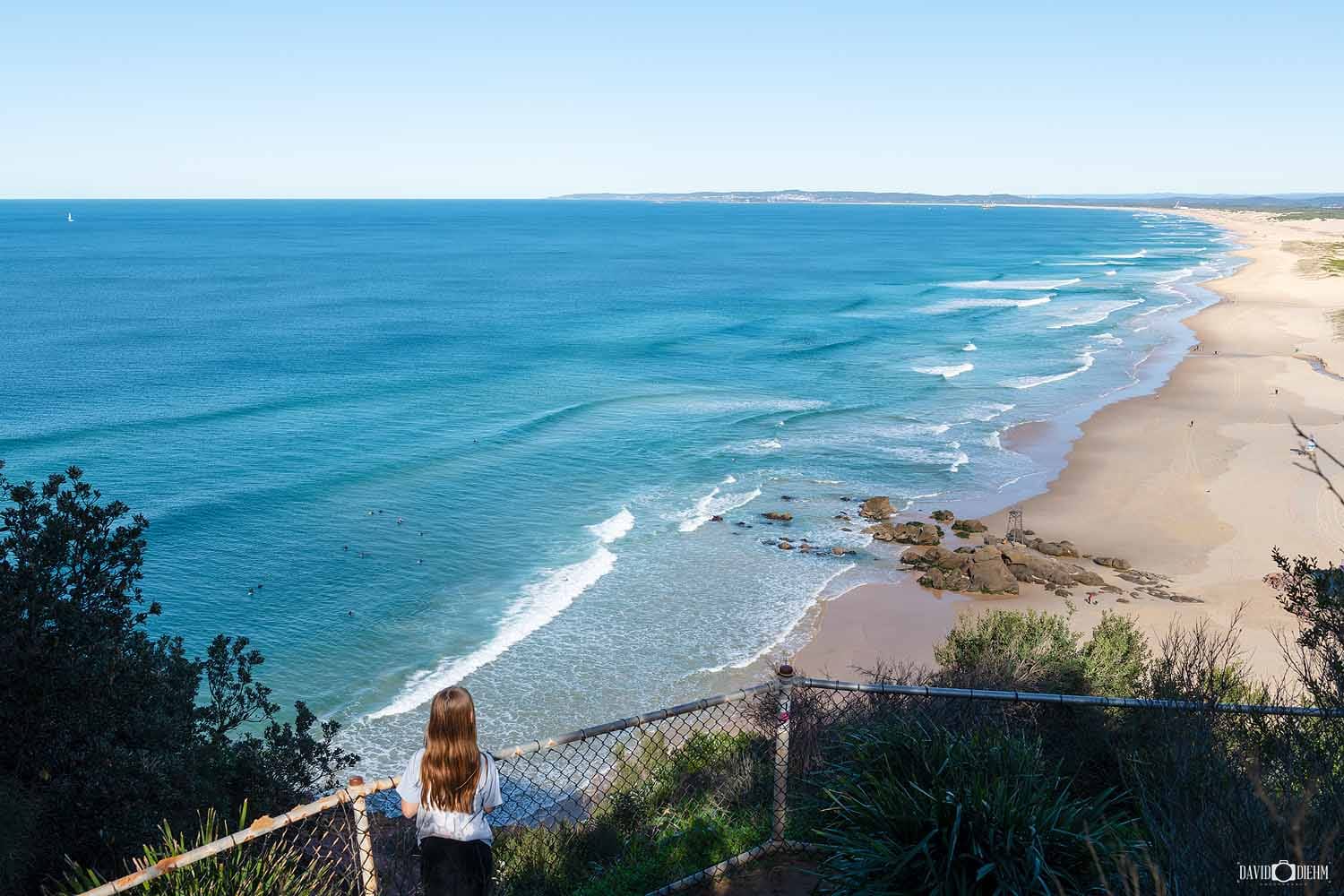
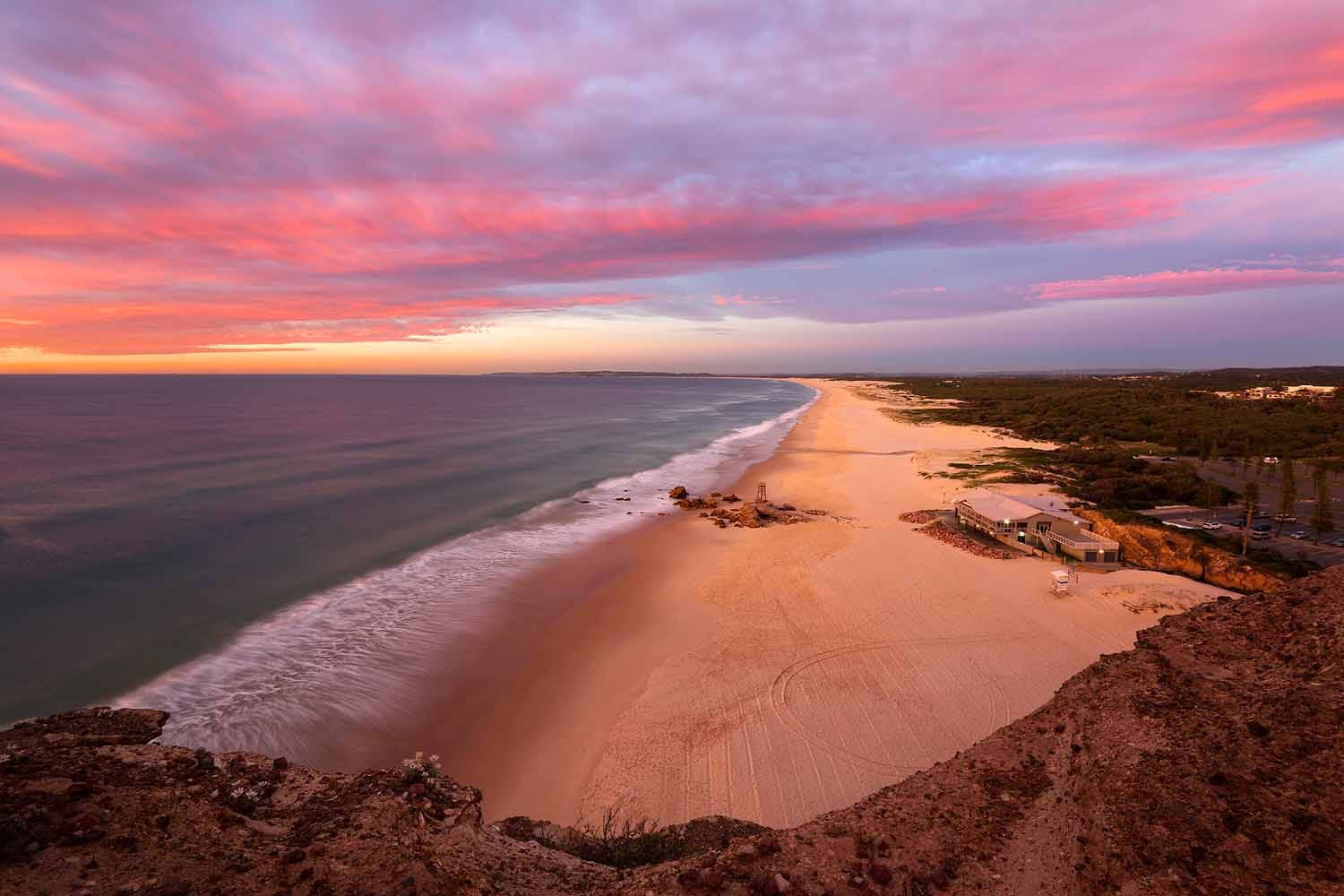
Redhead Bluff Lookout is one of the most spectacular coastal lookouts in Lake Macquarie, offering breathtaking panoramic views across Redhead Beach, Nine Mile Beach, Blacksmiths Beach and the vast Pacific Ocean. Rising approximately 71 metres above sea level, this dramatic headland is renowned for its sweeping coastal scenery, exceptional whale watching and spectacular sunrise photography.
If you’re searching for one of the best ocean lookouts near Newcastle and Lake Macquarie, Redhead Bluff deserves a place at the top of your list.
From the elevated viewing platform, uninterrupted views stretch north across the golden sands of Redhead Beach and south towards Blacksmiths Beach, with the Pacific Ocean extending to the horizon. Below, the iconic Redhead Shark Tower, one of the Hunter Region’s most recognisable landmarks, provides a striking focal point against the sweeping coastline. Towering cliffs rising almost 80 metres above the ocean add to the dramatic beauty of this rugged headland.
Between May and November, Redhead Bluff becomes one of the Hunter Region’s premier locations for watching the annual humpback whale migration. Its elevated position offers outstanding visibility, allowing visitors to regularly spot whales travelling close to shore. Dolphins are also frequent visitors throughout the year, often surfing the waves below the cliffs. Bringing a pair of binoculars can make the experience even more rewarding.
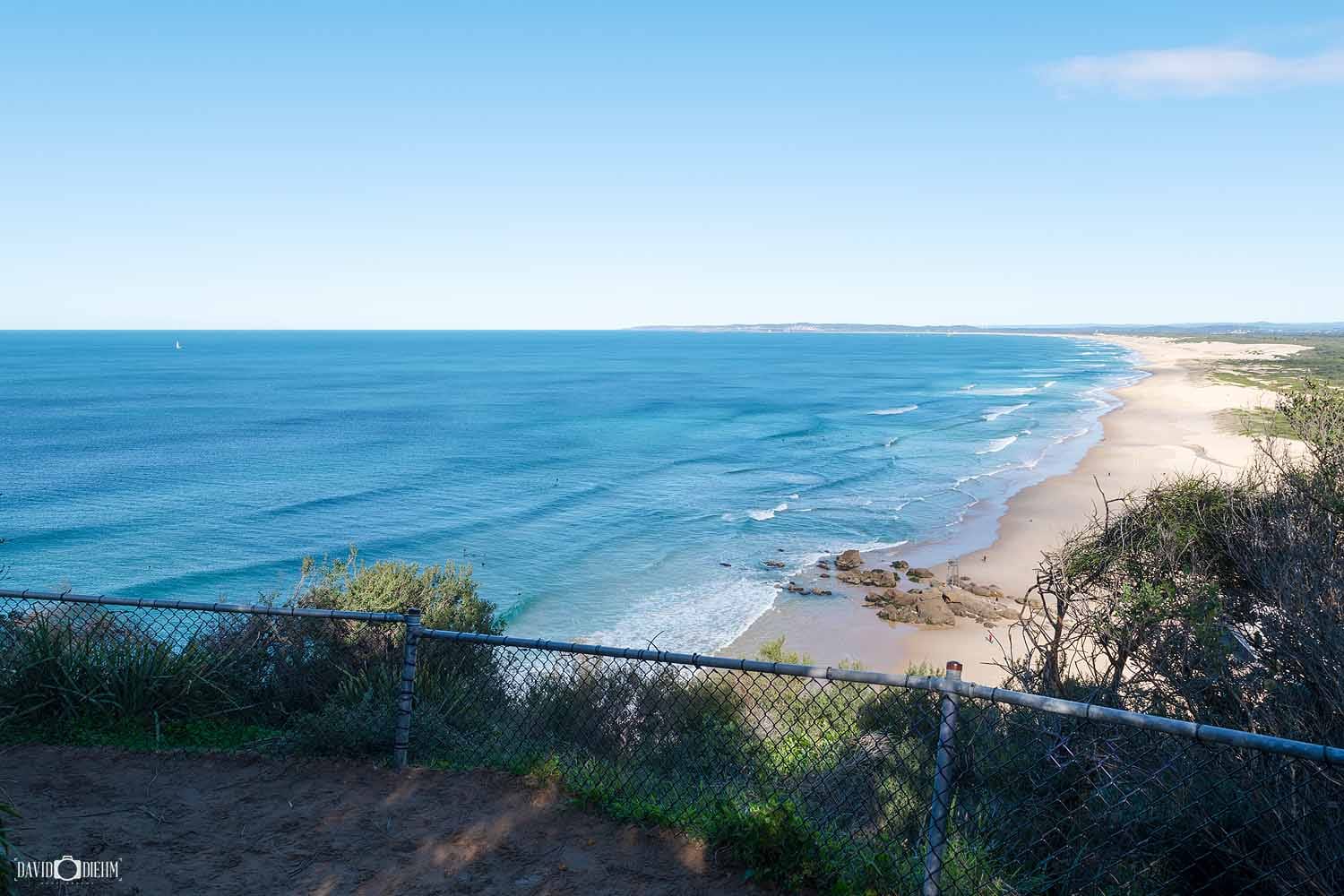
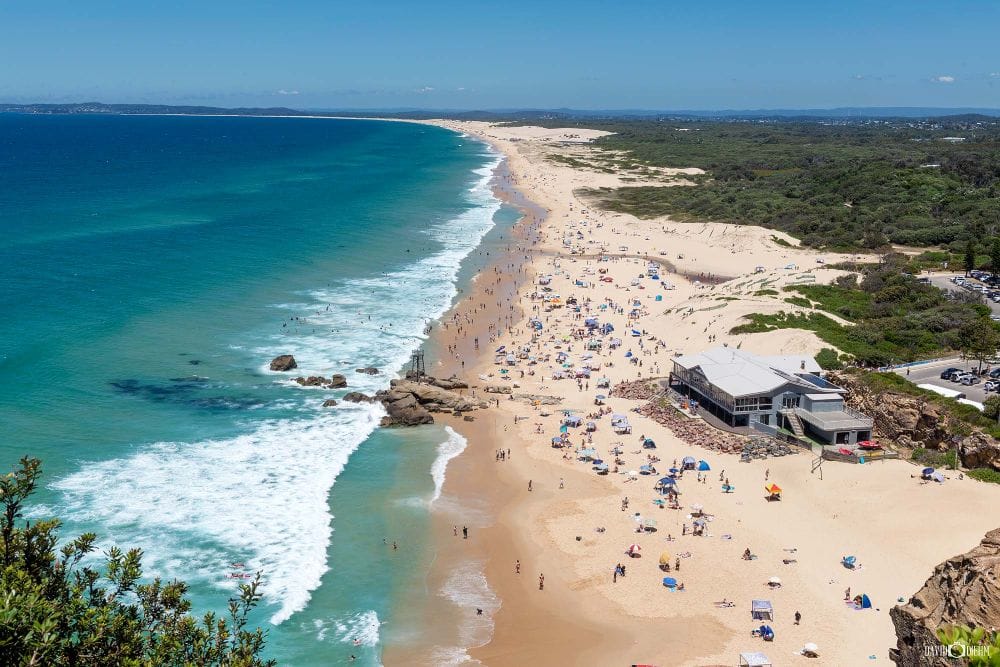
A second lookout at the eastern end of Cowlishaw Street offers a different perspective. Facing directly east over the Pacific Ocean, it provides an uninterrupted outlook that is particularly well suited to whale watching, sunrise photography and watching approaching weather systems. While it doesn’t offer the same expansive coastal panorama as the main bluff, its open ocean aspect makes it a favourite among locals during the migration season.
Photographers are rewarded throughout the year. Sunrise bathes the cliffs and coastline in soft golden light, while summer sunsets often produce vibrant colours reflecting across the Pacific Ocean. Elevated above the coastline, Redhead Bluff is also one of the Hunter Region’s premier locations for photographing powerful ocean swells, dramatic storm cells and the night sky during clear conditions.
Whether you’re visiting for whale watching, coastal photography or simply to admire the spectacular scenery, Redhead Bluff Lookout is one of Lake Macquarie’s true natural highlights. Its dramatic cliffs, expansive ocean views and constantly changing seascapes ensure every visit offers something different, making it one of the region’s most rewarding coastal destinations.
💡 Local Tip
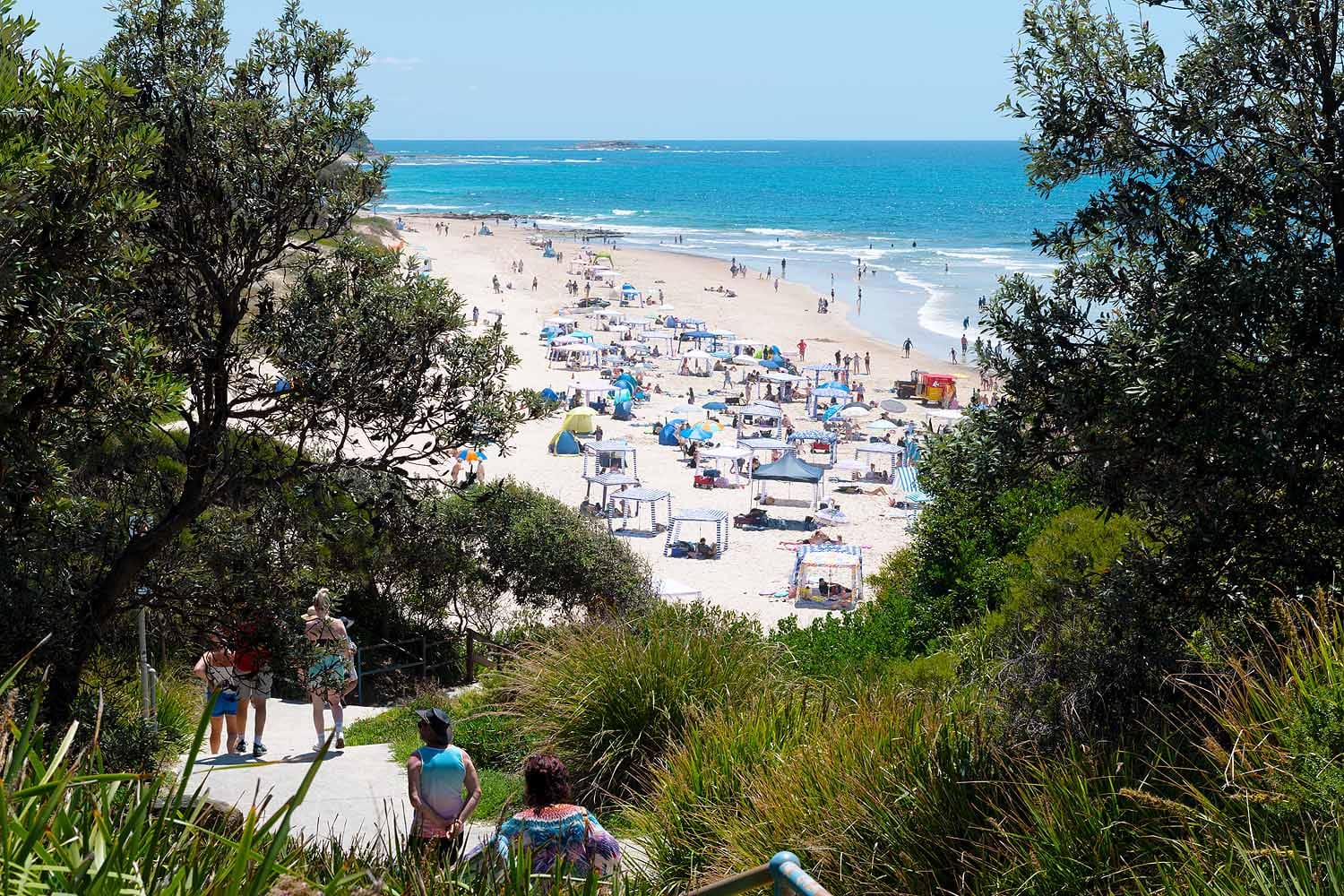
Visit on a warm summer morning when Redhead Beach is alive with swimmers, surfers and families. From the bluff, the turquoise water, rolling surf and colourful beach umbrellas create one of the most spectacular coastal scenes anywhere in Lake Macquarie.
3. Caves Beach Lookout
Location: Mawson Close, Caves Beach NSW | Distance: Less than 500 m return | Difficulty: Easy | Allow: 45–90 minutes
Best For: Coastal views, sea caves, sunrise, whale watching and photography | Parking: Free parking at Caves Beach Surf Life Saving Club or the clifftop car park | Facilities: Public toilets, picnic shelters, BBQs, Changing Places facility and parking
Best Time: Sunrise for spectacular ocean views, low tide for exploring the sea caves. | Cost: Free | Opening Hours: Open 24 hours
Why Visit? Enjoy spectacular coastal views, explore the famous Caves Beach sea caves at low tide and experience one of Lake Macquarie’s most unique natural attractions.

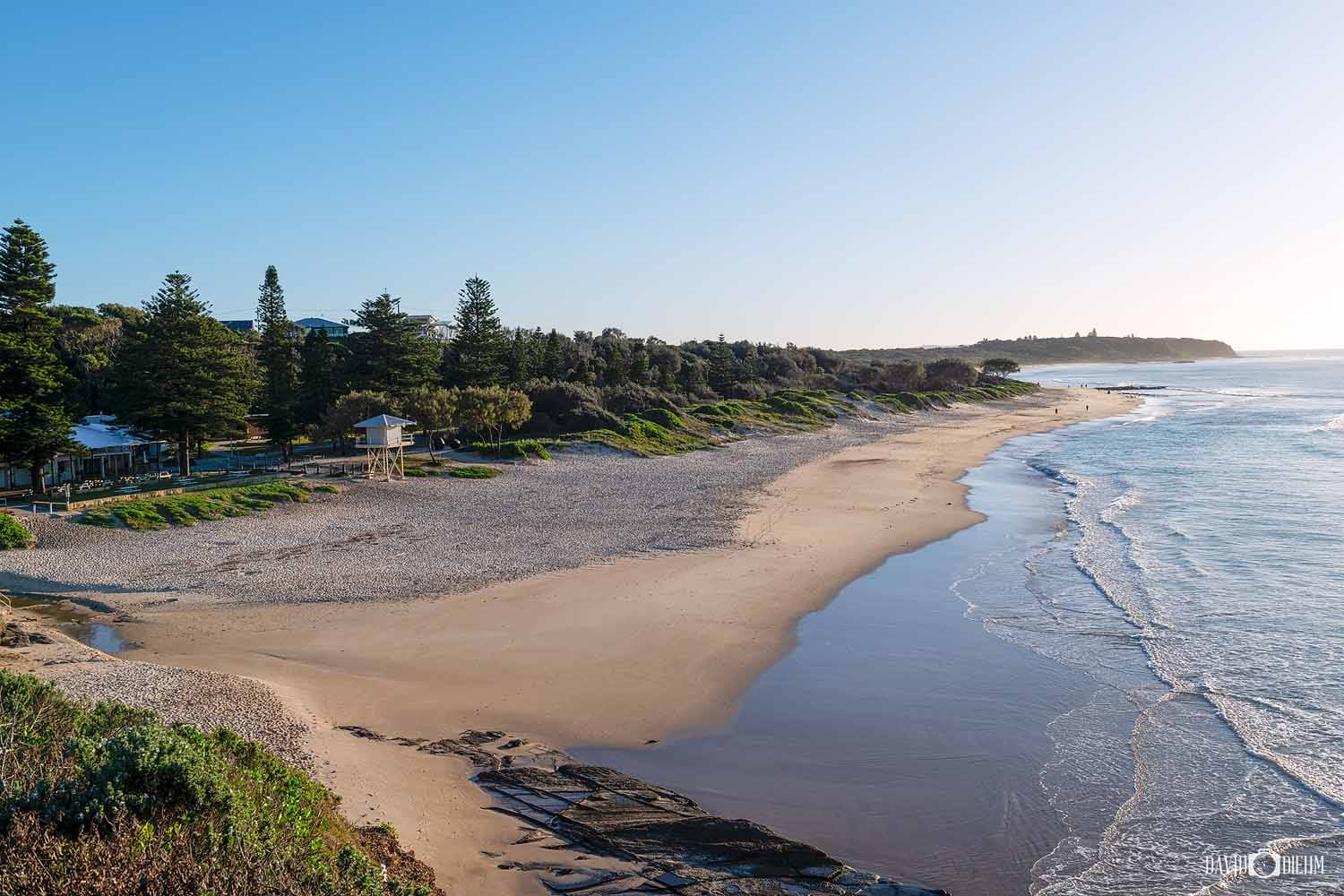
Caves Beach Lookout is one of Lake Macquarie’s most spectacular coastal viewpoints, offering breathtaking panoramic views across Caves Beach, the Pacific Ocean and the rugged Swansea peninsula coastline. Perched approximately 20–30 metres above sea level, the grassy headland overlooks the beach’s famous sandstone sea caves, creating one of the Hunter Region’s most unique coastal experiences.
From the fenced viewing platform, visitors enjoy uninterrupted views across the golden sands of Caves Beach and the endless Pacific Ocean. Between May and November, the elevated headland becomes one of Lake Macquarie’s premier whale-watching locations, with migrating humpback whales and pods of dolphins regularly spotted travelling close to shore.
What truly sets this destination apart is the remarkable network of sandstone sea caves hidden beneath the lookout. Sculpted by thousands of years of wave action, these natural formations have made Caves Beach one of Australia’s most recognisable coastal landmarks. The largest cave lies directly below the lookout and can only be accessed at low tide, while beyond it a maze of smaller caves, narrow passageways and natural tunnels winds through the sandstone cliffs. Surrounding rock pools reveal crabs, sea anemones, shells and other fascinating marine life, making the area just as rewarding to explore as it is to admire from above.
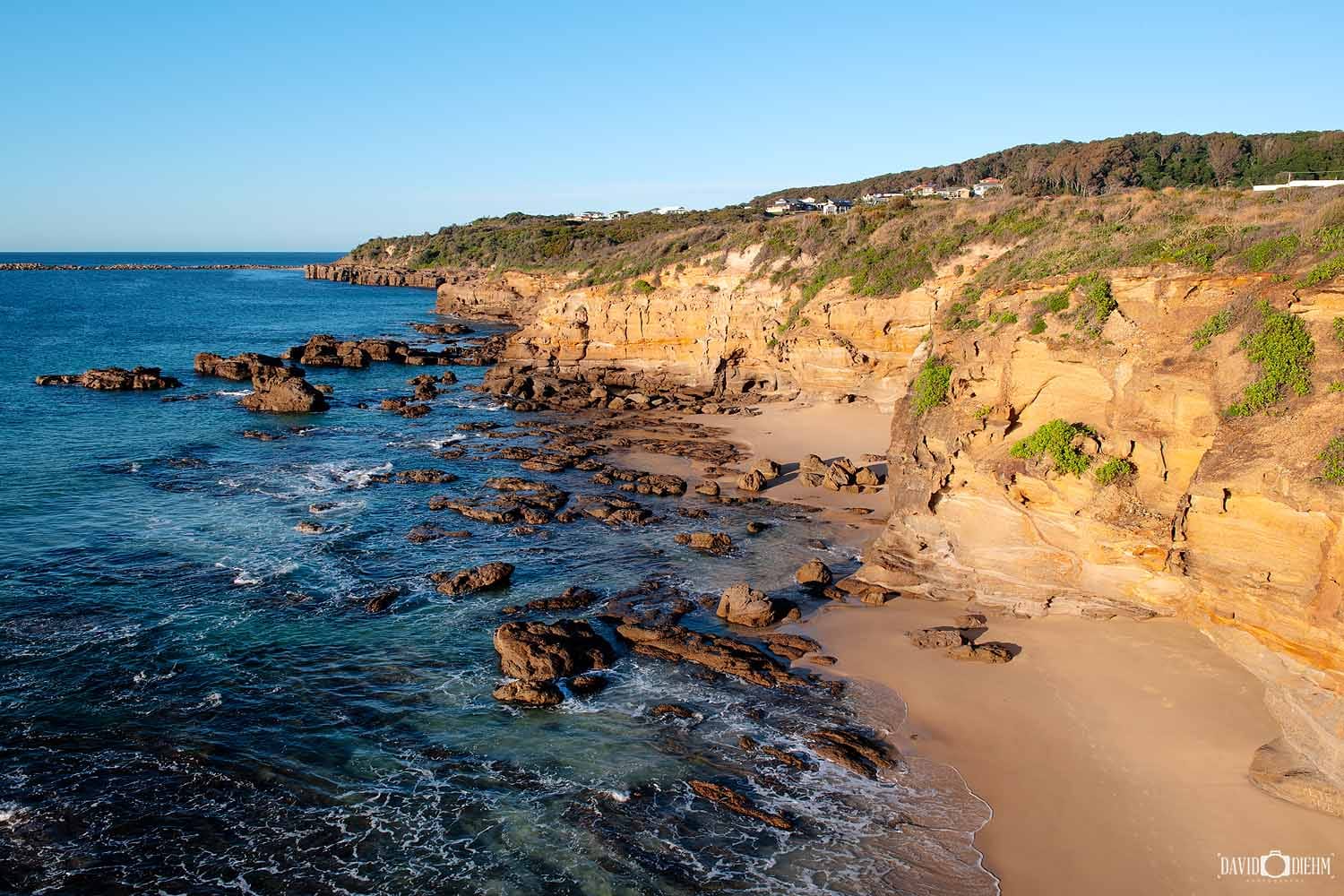
Because the caves disappear beneath the ocean at high tide, checking local tide times before visiting is essential. Rising water can quickly cover the rock platform and cut off access, so visitors should only enter the caves during safe conditions and leave well before the tide begins to return.
For photographers, Caves Beach is one of the Hunter Region’s premier coastal destinations. Sunrise bathes the cliffs and ocean in warm golden light, while inside the caves, sunlight streams through the sandstone openings to create dramatic natural frames and ever-changing patterns of light and shadow. Combined with the elevated lookout above, it’s easy to see why Caves Beach has become one of the region’s most photographed locations.
The lookout also marks the beginning of the scenic coastal walk to Pinny Beach and Spoon Rocks, allowing visitors to continue exploring this rugged stretch of coastline. Together with the patrolled beach, picnic facilities and accessible viewing areas, it offers something for families, photographers, bushwalkers and nature lovers alike.
Whether you’re visiting to admire the spectacular views, explore the famous sea caves, photograph the coastline, watch migrating whales or simply relax beside one of Australia’s most beautiful beaches, Caves Beach Lookout is a destination that showcases the very best of Lake Macquarie’s coastline. Combining dramatic scenery, unique geology and unforgettable coastal experiences, it’s a place you’ll want to return to time and time again.
💡 Local Tip
Many visitors come for the spectacular views but don’t leave without exploring the famous sea caves at low tide—they’re what makes Caves Beach truly unique. Afterwards, spread out a picnic rug on the grassy headland beside the lookout and enjoy lunch with panoramic views across the Pacific Ocean before wandering down to the beach.
4. Munibung Hill Lookout
Location: Lucilla Ridge, Macquarie Hills NSW | Distance: Approx. 2 km return | Difficulty: Moderate | Allow: 60–90 minutes
Best For: Panoramic views, sunrise, sunset, bushwalking and photography | Parking: Free street parking at Lucilla Ridge or Lawson Road | Facilities: None
Best Time: Sunrise for beautiful morning light across Lake Macquarie, sunset for spectacular colours over the Hunter Region, or after dark for city lights | Cost: Free | Opening Hours: Open 24 hours
Why Visit? Enjoy sweeping panoramic views across Lake Macquarie from one of the region’s highest natural lookouts.
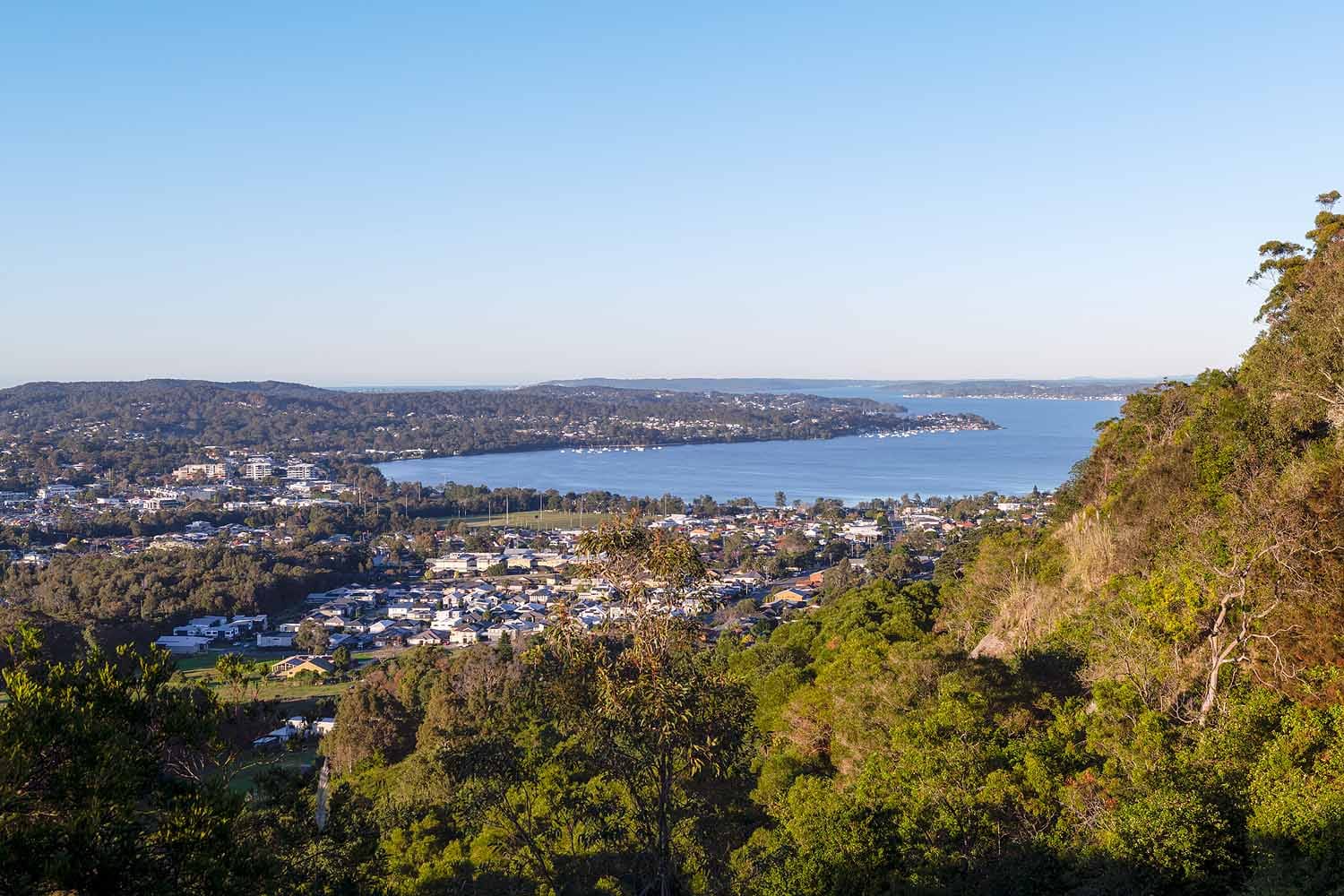
Munibung Hill Lookout is one of Lake Macquarie’s most rewarding elevated viewpoints, offering spectacular panoramic views across Lake Macquarie, Newcastle, Mount Sugarloaf and the surrounding Hunter Region. Rising approximately 160 metres above sea level, the summit provides breathtaking 180-degree views that few other lookouts in the region can match.
If you’re looking for one of Lake Macquarie’s best bushwalks with panoramic views, Munibung Hill should be high on your list.
Munibung Hill has long been a prominent landmark overlooking the northern shores of Lake Macquarie. Today, it remains a favourite destination for hikers, trail runners, photographers and locals seeking expansive views away from the region’s more popular coastal lookouts.
Unlike Mount Sugarloaf, there is no road leading directly to the summit. Reaching the lookout requires a moderately challenging uphill walk through native bushland, making the views from the top feel all the more rewarding. The most popular access begins from Lucilla Ridge or the end of Lawson Road in Macquarie Hills, where a steep concrete pathway soon transitions to a well-defined gravel walking track leading to the summit. Free street parking is available at both locations. Alternative walking routes also ascend Munibung Hill from Lakelands, Speers Point, Cardiff South and Boolaroo, offering several different ways to experience this impressive Lake Macquarie bushwalk.
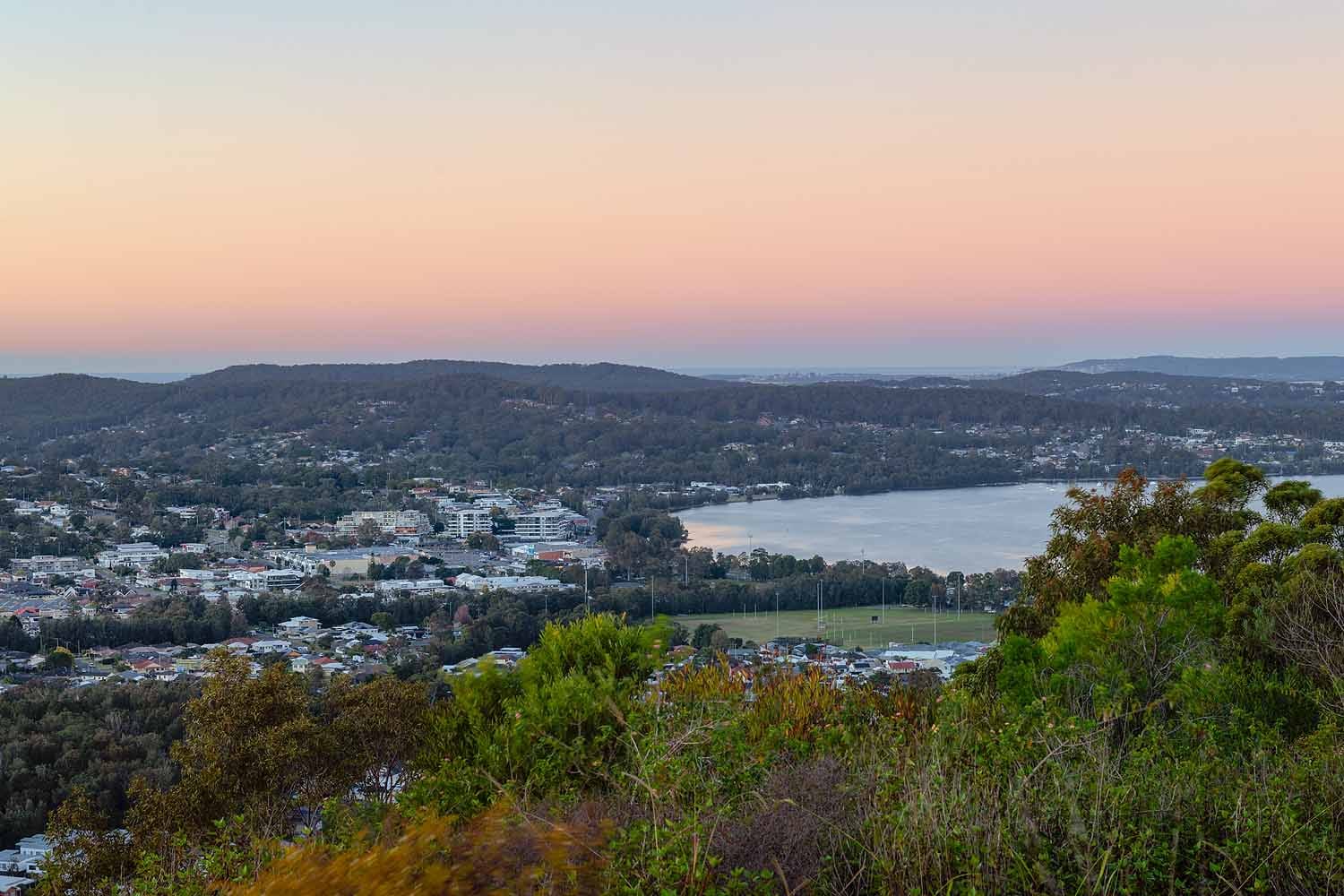
As you climb beneath towering spotted gums and native forest, glimpses of Lake Macquarie begin appearing through the trees before opening into spectacular views near the summit. From the main lookout, visitors can enjoy sweeping panoramas across Warners Bay, Speers Point, Boolaroo, Elleebana, Hillsborough, Mount Sugarloaf, Newcastle and the distant mountain ranges beyond. On a clear day, the scale and diversity of the Hunter Region become truly apparent.

The summit also tells the story of the area’s industrial heritage. The surrounding landscape was once heavily influenced by coal mining, with several collieries operating around the base of the hill. Today, much of this former industrial land has been rehabilitated, creating a striking contrast between the urban communities surrounding Lake Macquarie and the regenerating bushland that now covers the reserve.
Munibung Hill is equally rewarding at sunrise, sunset and after dark. Morning light illuminates Lake Macquarie and the surrounding suburbs, while sunset often produces spectacular colours across Mount Sugarloaf and the western Hunter. After dark, thousands of lights from Warners Bay, Speers Point, Cardiff and Newcastle create an impressive panorama stretching across the horizon.
Although there are no toilets, picnic facilities or drinking water at the summit, the uninterrupted views more than reward the climb. Whether you’re chasing sunrise, exploring one of Lake Macquarie’s best walking tracks, training on the steep trails or simply looking to experience one of the region’s finest panoramic lookouts, Munibung Hill Lookout is a destination well worth the effort.

The summit also tells the story of the region’s industrial past. The surrounding landscape was once heavily influenced by coal mining, with several collieries operating around the base of the hill. Today, much of the former industrial land has been rehabilitated, creating a striking contrast between Lake Macquarie’s urban development and the surrounding bushland that now thrives across the reserve.
For photographers, Munibung Hill is particularly rewarding at sunrise and sunset. Morning light beautifully illuminates Lake Macquarie, while evening often produces spectacular colours across Mount Sugarloaf and the Hunter Valley. After dark, the lights of Warners Bay, Speers Point, Cardiff and Newcastle create an impressive urban panorama stretching across the horizon.
Although there are no toilets, picnic facilities or water available on the hill, the rewarding views more than compensate for the climb. Whether you’re a keen bushwalker, landscape photographer or simply looking to experience one of Lake Macquarie’s best panoramic viewpoints, Munibung Hill Lookout is well worth the effort.
💡 Local Tip
Although the walk to Munibung Hill Lookout is steep, undulating and requires a moderate level of fitness, most young children will enjoy the adventure of exploring the bushland trails and reaching the summit. Pack some water and visit during the middle of the morning, when the softer light and peaceful atmosphere make it a wonderful place for families to relax and take in the sweeping views across Lake Macquarie.
5. Green Point Reserve (Sea Eagle Lookout)
Location: Green Point Drive, Belmont NSW | Distance: Approx. 1.5–2 km return (Upper Sea Eagle Lookout) | Difficulty: Easy to Moderate | Allow: 45–90 minutes
Best For: Lake views, bushwalking, birdwatching, sunrise and picnics | Parking: Free parking at Green Point Reserve (Sea Eagle Park) | Facilities: Public toilets, picnic shelters, BBQs, drinking water and parking
Best Time: Sunrise for calm lake reflections, sunset for beautiful colours across Lake Macquarie, or throughout the day for walking and birdwatching | Cost: Free | Opening Hours: Open daily.
Why Visit? Enjoy panoramic views over Lake Macquarie from the three Sea Eagle Lookouts while exploring peaceful bushwalking trails and scenic foreshore paths.
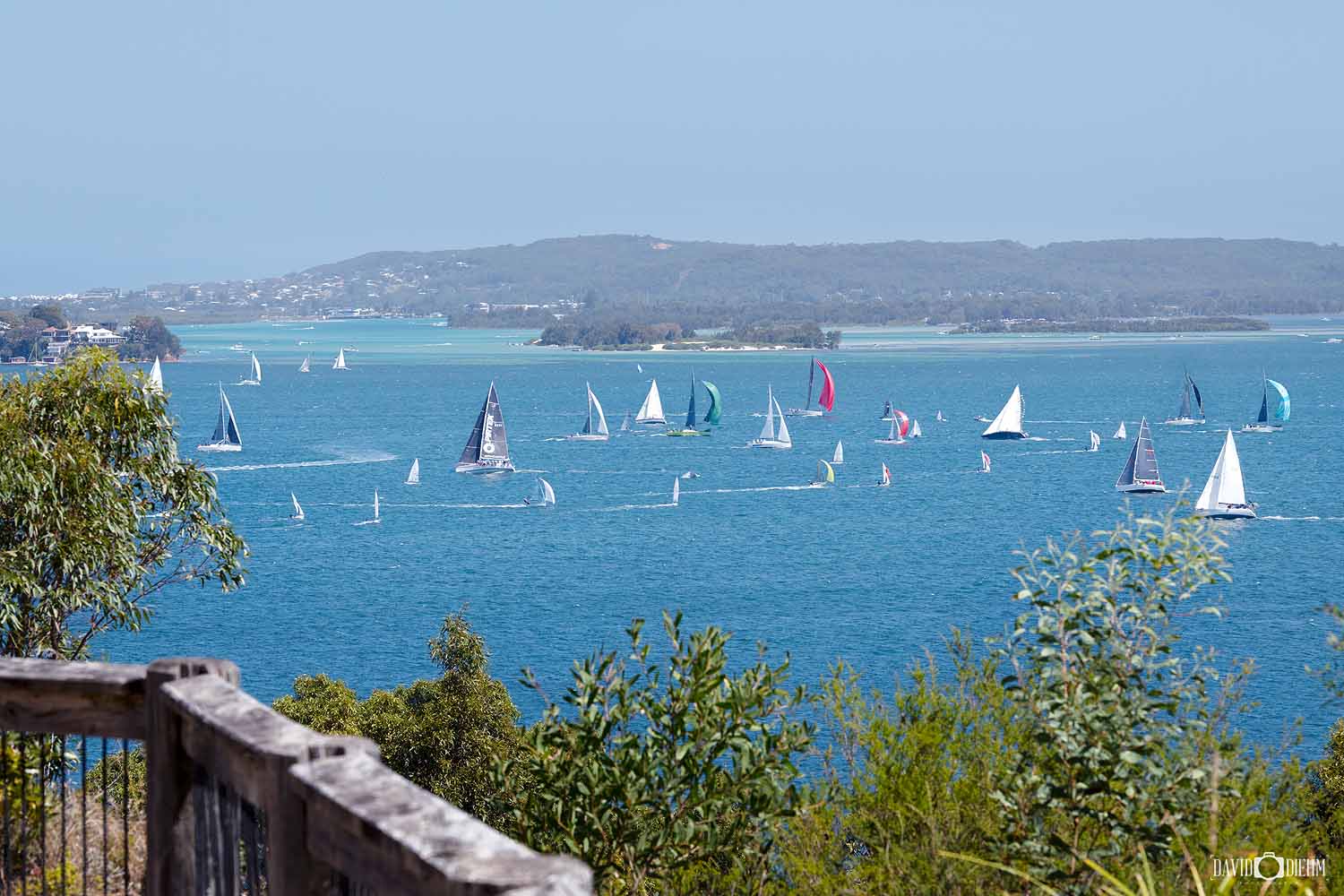
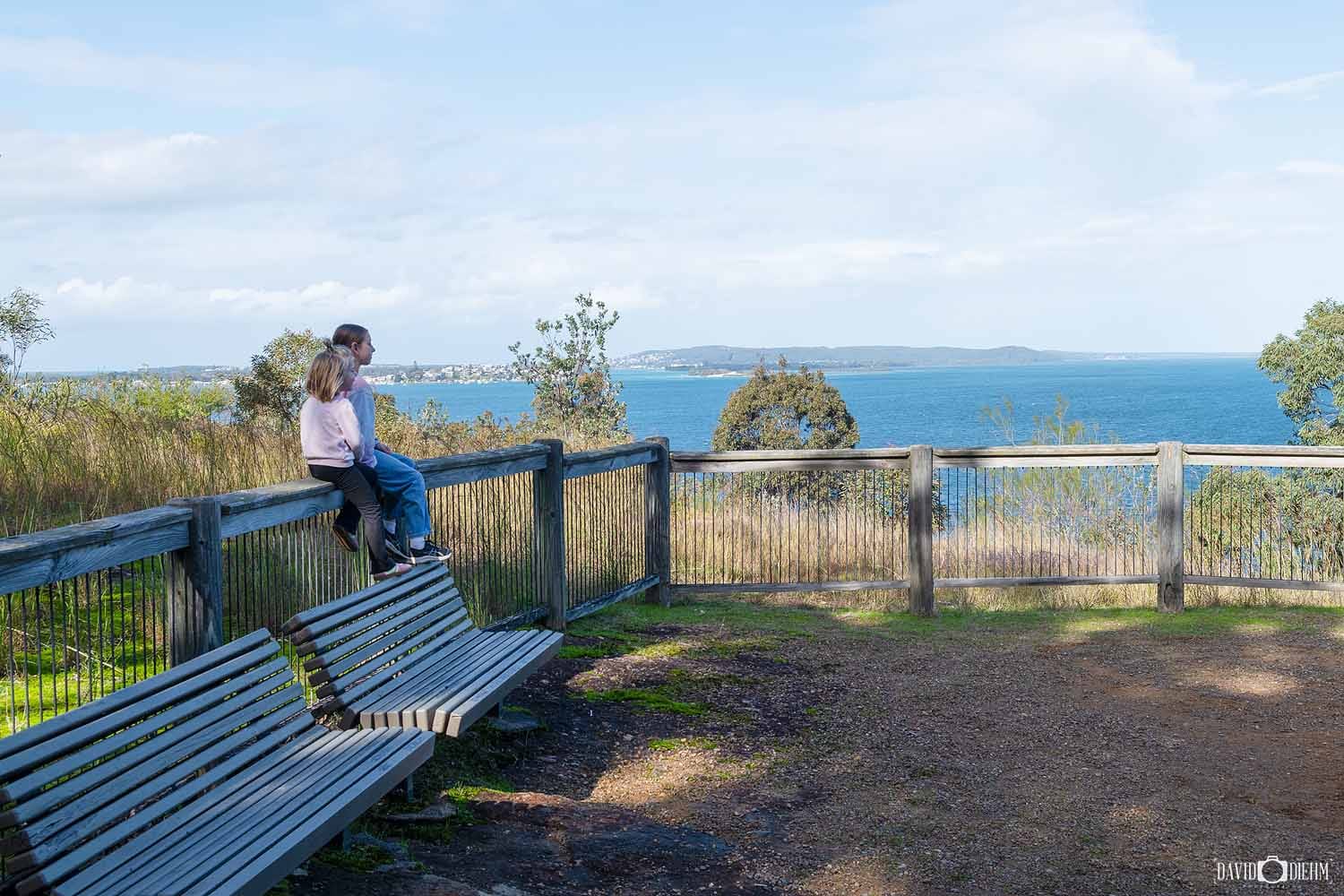
Green Point Reserve is home to one of Lake Macquarie’s most peaceful and rewarding lookouts. Hidden within 152 hectares of protected bushland near Belmont, the reserve combines tranquil foreshore walking trails, abundant native wildlife and the spectacular Sea Eagle Lookouts, where panoramic views stretch across Australia’s largest coastal saltwater lake.
If you’re looking to escape the crowds and discover one of Lake Macquarie’s hidden gems, Green Point Reserve offers the perfect combination of bushwalking, birdwatching, lakeside scenery and breathtaking viewpoints.
The reserve extends along the western shoreline between Belmont and Valentine, where a scenic shared pathway follows the water’s edge beneath towering eucalypts. Branching away from the foreshore, a moderately steep bushwalking track climbs through native forest to the Lower, Middle and Upper Sea Eagle Lookouts, with the highest viewing platform sitting approximately 74 metres above sea level.
From the Upper Sea Eagle Lookout, visitors are rewarded with sweeping views across Lake Macquarie towards Belmont, Valentine and the surrounding bays. Surrounded by native bushland, it’s one of the best places to appreciate the immense size of the lake while enjoying a peaceful natural setting away from the busier waterfront reserves.
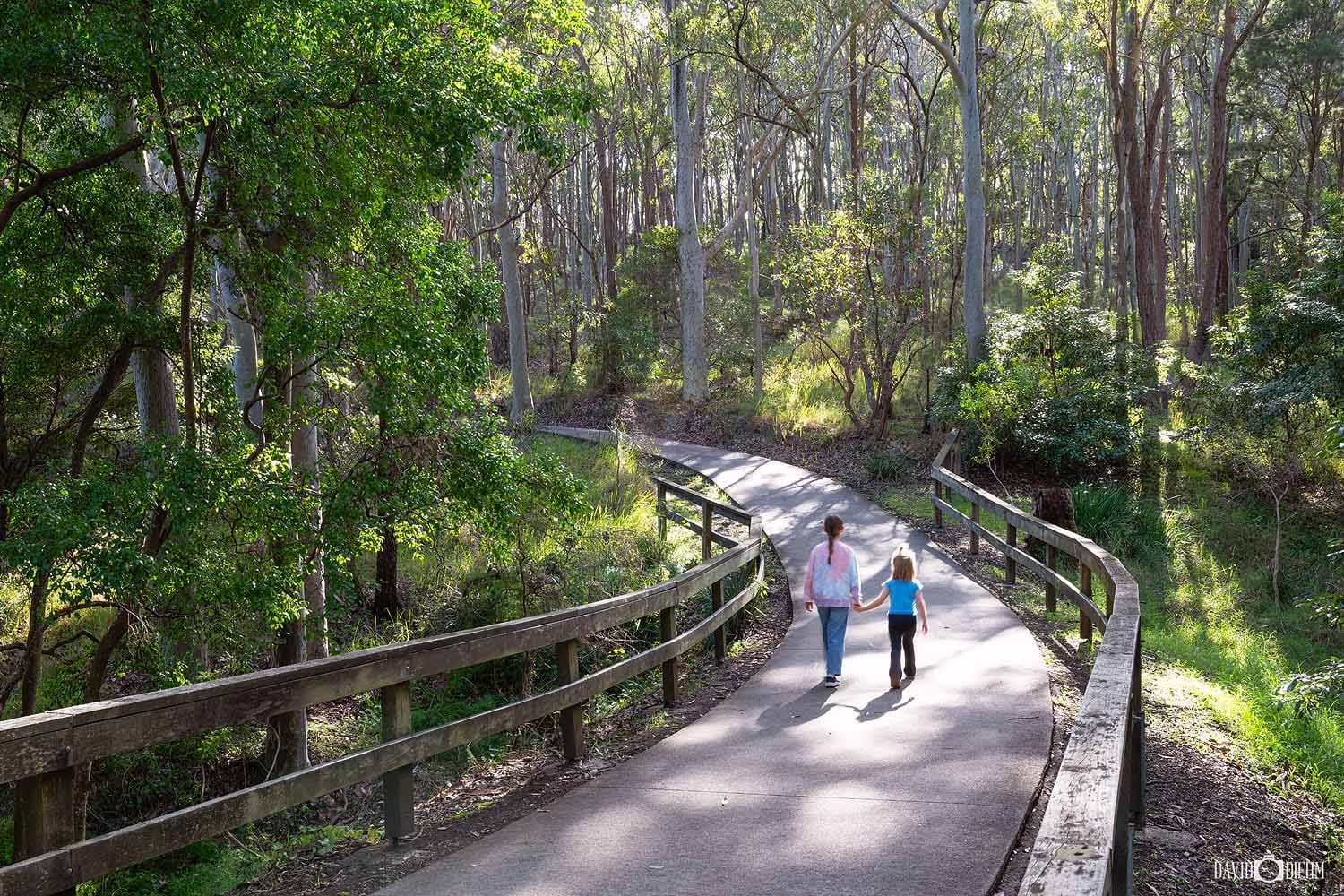

The lookout takes its name from the white-bellied sea eagle, one of Australia’s largest birds of prey, which is regularly seen soaring above the lake searching for fish. The reserve also supports an impressive diversity of wildlife, including colourful parrots, kookaburras, waterbirds and several threatened species such as the Powerful Owl, Squirrel Glider and Ringtail Possum, making it one of Lake Macquarie’s premier destinations for birdwatching and nature lovers.
Although the reserve feels wonderfully untouched today, it has a fascinating industrial past. For more than 120 years, the area supported timber harvesting, coal mining and gravel extraction before mining finally ceased in 1982. Following extensive rehabilitation, the land was protected as Green Point Foreshore Reserve in 1984 and now safeguards rare littoral rainforest and several endangered ecological communities.
After visiting the lookouts, continue exploring the scenic foreshore walking trails or relax at Sea Eagle Park, where picnic tables, free barbecues and expansive grassy areas overlook the lake. Whether you’re walking, cycling, photographing wildlife or simply enjoying the tranquillity, Green Point Reserve (Sea Eagle Lookout) offers one of the most relaxing and rewarding outdoor experiences in Lake Macquarie.
💡 Local Tip
For the best experience, start with a leisurely walk along the lakeside foreshore before climbing to all three Sea Eagle Lookouts. On breezy afternoons, you’ll often see dozens of sailing boats gliding across Lake Macquarie, creating one of the region’s most picturesque views. Finish your visit with a picnic at Sea Eagle Park overlooking the lake.
6. Catherine Hill Bay Headland Lookout
Location: Flowers Drive, Catherine Hill Bay NSW | Distance: 0 m | Difficulty: Easy | Allow: 30–60 minutes (longer if exploring Catherine Hill Bay Beach, the heritage village and nearby rock pools)
Best For: Sunrise, whale watching, coastal views, photography and accessibility | Parking: Free parking adjacent to the lookout on Flowers Drive | Facilities: Public toilets nearby at Catherine Hill Bay Surf Life Saving Club.
Best Time: Sunrise for spectacular coastal light, or between May and November for excellent whale watching | Cost: Free | Opening Hours: Open 24 hours a day.
Why Visit? Enjoy panoramic ocean views overlooking the historic Catherine Hill Bay Jetty, one of Lake Macquarie’s most picturesque coastal villages with a relaxed, timeless atmosphere.

Catherine Hill Bay Headland Lookout, known locally as Catho Lookout, is one of Lake Macquarie’s most iconic coastal viewpoints, offering panoramic views across Catherine Hill Bay Beach, the historic Catherine Hill Bay Jetty and the sparkling Pacific Ocean. Perched approximately 37 metres above sea level, the elevated headland provides one of the best vantage points to appreciate both the natural beauty and rich history of this remarkable seaside village.
If you’re looking for a destination that combines breathtaking ocean scenery, fascinating history and one of the Hunter Region’s most recognisable landscapes, Catherine Hill Bay Headland Lookout should be at the top of your list.
From the viewing platform, sweeping views extend across the golden sands of Catherine Hill Bay Beach, with the iconic coal-loading jetty stretching into the Pacific Ocean below. The jetty is one of Lake Macquarie’s most photographed landmarks, creating a striking contrast between the village’s industrial past and its spectacular coastal setting.
Established as a coal mining settlement in the nineteenth century, Catherine Hill Bay is the oldest continuously settled village in the Lake Macquarie region and is listed on the NSW State Heritage Register. Many of the original miners’ cottages remain today, preserving the character of one of Australia’s oldest surfside communities.
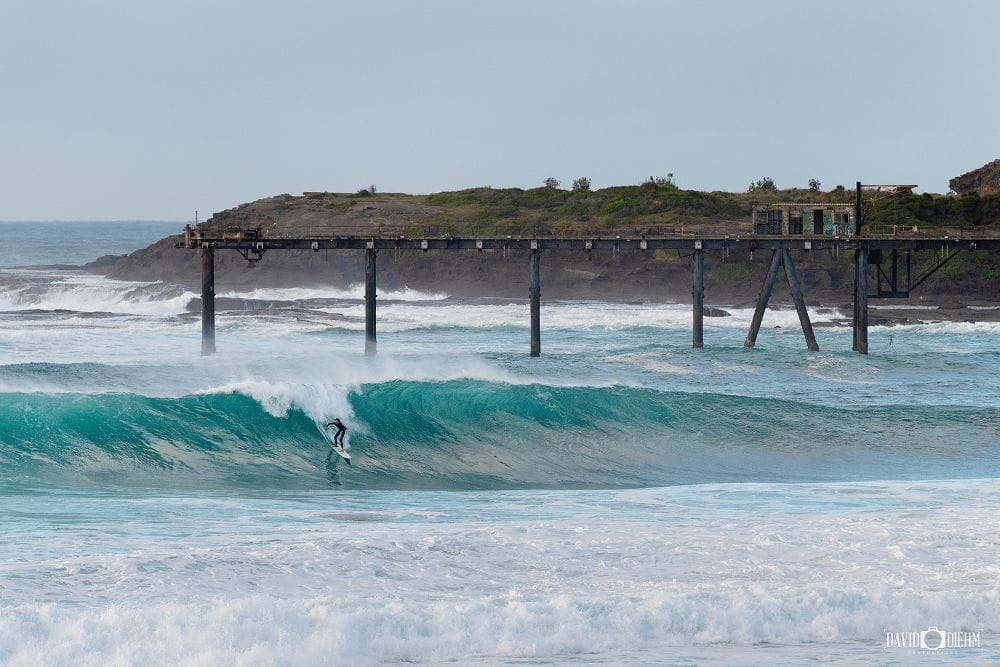

The lookout is rewarding throughout the year. Sunrise paints the jetty, sandstone headlands and ocean in warm golden light, while large easterly swells and passing storm systems create dramatic coastal scenery. These ever-changing conditions make Catho Lookout a favourite destination for photographers and nature lovers alike.
After taking in the views, many visitors continue exploring Catherine Hill Bay Beach, wander through the heritage village or visit the nearby ocean rock pool, often referred to as Lake Macquarie’s answer to Newcastle’s Bogey Hole. Together, these attractions make Catherine Hill Bay one of the region’s most rewarding coastal day trips.
Whether you’re visiting for whale watching, photography, history or simply to enjoy one of Lake Macquarie’s most beautiful coastal villages, Catherine Hill Bay Headland Lookout perfectly showcases the natural beauty, maritime history and relaxed character that make this destination so special.

💡 Local Tip
After enjoying the panoramic views from Catherine Hill Bay Headland Lookout, head to one of the nearby car parks beside the Surf Life Saving Club for easy access to Catherine Hill Bay Beach. The wide sandy beach is perfect for a leisurely walk, with stunning views back towards the historic jetty and surrounding headlands.
7. Leichhardt Lookout (Glenrock State Conservation Area)
Location: Yuelarbah Walking Track, Glenrock State Conservation Area, Whitebridge NSW | Distance: Approx. 2.8 km return | Difficulty: Moderate | Allow: 1.5–3 hours
Best For: Bushwalking, rainforest, coastal views and photography | Parking: Free parking at the Burwood Road Yuelarbah Walking Track car park | Facilities: None.
Best Time: Early morning for peaceful rainforest scenery, or late afternoon for golden light over Glenrock Lagoon and the coastline | Cost: Free | Opening Hours: Open daily
Why Visit? Experience one of Newcastle’s most rewarding bushwalks, combining rainforest, Leichhardt Lookout, Glenrock Lagoon and Burwood Beach in a single scenic walk.

Leichhardt Lookout is one of the Hunter Region’s most spectacular bushland lookouts, offering breathtaking views across Glenrock Lagoon, coastal rainforest and the Pacific Ocean. Located within Glenrock State Conservation Area, the lookout is reached via the popular Yuelarbah Walking Track, widely regarded as one of Newcastle’s best bushwalks.
If you’re looking for a walk that combines rainforest, waterfalls, lagoons and ocean views in one unforgettable experience, Leichhardt Lookout is hard to beat.
The walk begins at the Burwood Road trailhead, where a raised boardwalk follows Flaggy Creek through beautiful coastal rainforest. This accessible first section provides a peaceful introduction to Glenrock before the trail continues along well-formed bush tracks towards the lookout.
Just before reaching the viewing platform, visitors cross a picturesque timber bridge spanning Little Flaggy Creek, where a small waterfall cascades into the rainforest below. A short distance further, the trees open to reveal one of the most spectacular natural vistas in Glenrock State Conservation Area.
From the lookout, sweeping views extend across the rainforest canopy to Glenrock Lagoon, where the freshwater creek system eventually meets the Pacific Ocean at Burwood Beach. Directly opposite the platform, Flaggy Creek Waterfall plunges over a sandstone escarpment before joining Little Flaggy Creek below. These waterways merge beneath the lookout before winding through the lagoon to the ocean, creating one of the Hunter Region’s most distinctive natural landscapes.

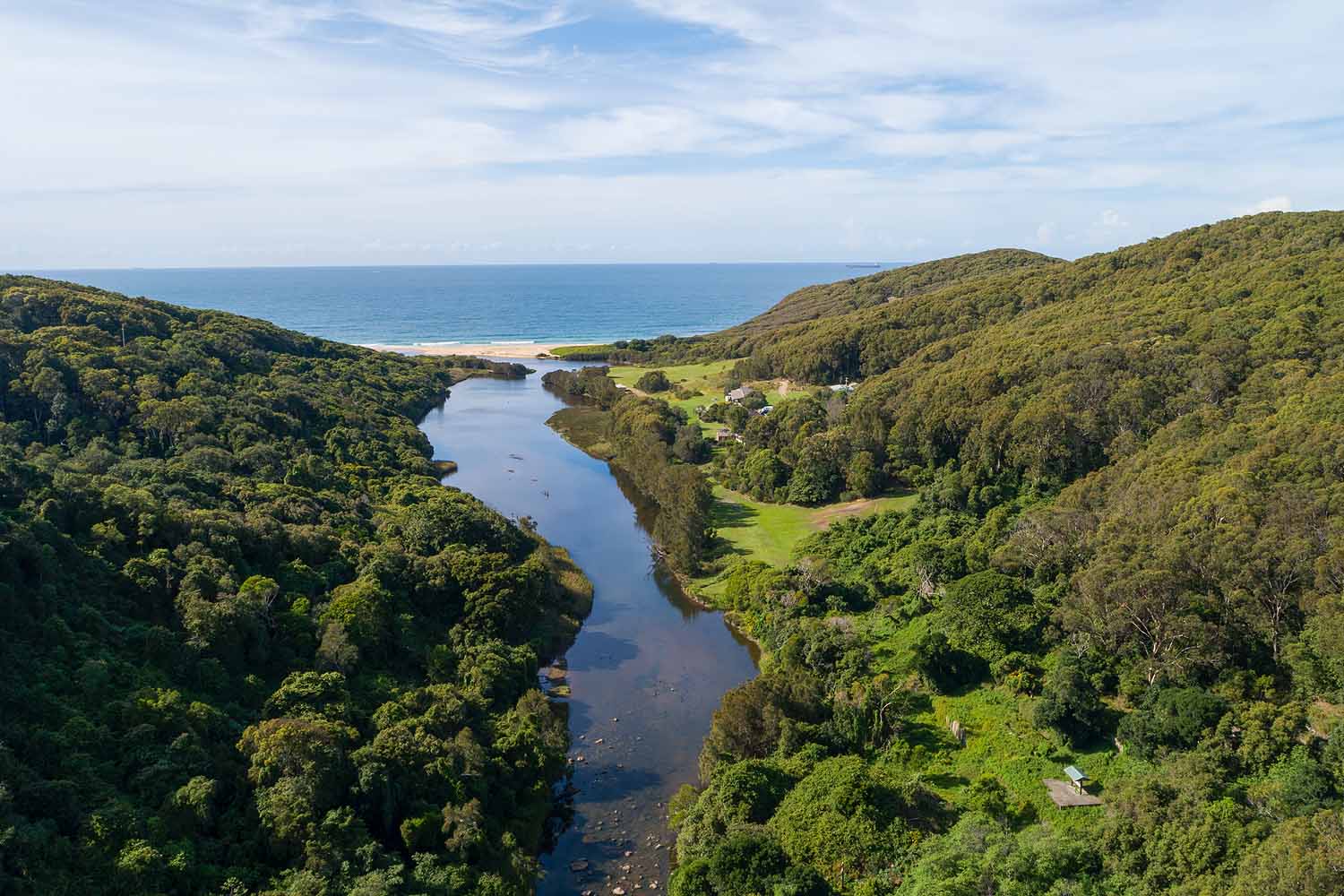
This remarkable combination of rainforest, waterfalls, lagoon and coastline makes Leichhardt Lookout unlike any other viewpoint in the region. It is one of the few places where visitors can witness the complete journey of a freshwater creek as it flows from the escarpment, through ancient rainforest and into the sea.
The walk is rewarding throughout the year. After periods of rain, the waterfalls become particularly impressive, while the surrounding rainforest comes alive with birdsong and lush green foliage. Many visitors continue beyond the lookout to Glenrock Lagoon and Burwood Beach, making this one of Newcastle’s most rewarding nature walks.
Whether you’re visiting for bushwalking, birdwatching, waterfalls or simply to immerse yourself in the beauty of Glenrock State Conservation Area, Leichhardt Lookout is a destination that showcases some of the finest natural scenery in the Hunter Region.

💡 Local Tip
Leichhardt Lookout is one of the best family bushwalks in the Hunter Region, with raised boardwalks, bridges, creeks, waterfalls and abundant wildlife keeping children engaged along the way. It’s also one of Glenrock’s most popular walks, so the car park often fills by early to mid-morning on weekends and during school holidays. Arrive early and make a day of it by continuing on to Glenrock Lagoon and Burwood Beach for one of Newcastle’s most rewarding outdoor adventures.
8. Dudley Bluff Lookout (Awabakal Nature Reserve)
Location: Ocean Street, Dudley NSW | Distance: Approx. 1.6 km return | Difficulty: Easy to Moderate | Allow: 45–90 minutes
Best For: Coastal views, whale watching, bushwalking and photography | Parking: Free street parking at the eastern end of Ocean Street | Facilities: None
Best Time: Sunrise for spectacular coastal light, or May to November for whale watching | Cost: Free | Opening Hours: Open 24 hours
Why Visit? Enjoy breathtaking clifftop views, a scenic bushwalk through Awabakal Nature Reserve and one of Lake Macquarie’s best displays of native wildflowers in spring.

Dudley Bluff Lookout is one of Lake Macquarie’s finest coastal lookouts, rewarding visitors with sweeping 180-degree views across the Pacific Ocean, rugged sandstone cliffs and one of the Hunter Region’s most pristine stretches of coastline. Reached via a scenic bushwalk through Awabakal Nature Reserve, this elevated viewpoint feels wonderfully remote despite being only minutes from suburban Dudley.
The walk begins at the eastern end of Ocean Street, following a well-defined bush track through coastal heath and native woodland before reaching the clifftop approximately 800 metres from the trailhead. Taking around 10–15 minutes each way, the walk is suitable for most visitors while still offering a genuine sense of adventure and immersion in nature.
From the lookout, uninterrupted views stretch north towards Dudley Beach, Glenrock State Conservation Area and the Newcastle coastline, while to the south the untouched coastal heath of Awabakal Nature Reserve continues towards Redhead. On exceptionally clear days, visibility extends as far as the distant headlands of Port Stephens, highlighting the scale of this remarkable coastline.


Below the towering cliffs, powerful waves crash onto rugged rock platforms and the fascinating tessellated rock pavements, one of the area’s most distinctive geological features. Best viewed at low tide, these remarkable formations resemble giant stone tiles stretching across the shoreline and are a highlight for visitors exploring the coast.
The landscape changes beautifully with the seasons. Sunrise bathes the cliffs and ocean in warm light, while powerful east coast swells and approaching weather systems create dramatic coastal scenery throughout the year. From July to October, the surrounding heathland bursts into colour as native wildflowers bloom across Awabakal Nature Reserve, making this one of the best places in Lake Macquarie to experience the region’s coastal flora.
Many visitors continue beyond the lookout along the Awabakal Coastal Walk, which winds south towards Redhead through native heath and coastal bushland. Combining the walk with the lookout creates one of the Hunter Region’s most rewarding coastal adventures.
Whether you’re visiting for whale watching, wildflowers, bushwalking or simply to admire the spectacular ocean views, Dudley Bluff Lookout perfectly captures the rugged beauty of Lake Macquarie’s coastline and remains one of the region’s true hidden gems.

💡 Local Tip
While the views from Dudley Bluff Lookout are breathtaking, the walk is just as rewarding. From July to October, the coastal heath bursts into colour with an abundance of native wildflowers lining the bush track. Take your time, bring a camera and enjoy the elevated views back towards Newcastle, the northern end of Lake Macquarie and the Pacific Ocean.
9. Swansea Heads Lookout
Location: Soldiers Road, Swansea Heads NSW | Distance: Less than 500 m return | Difficulty: Easy | Allow: 30–60 minutes
Best For: Coastal views, whale watching, sunrise, photography and coastal walks | Parking: Free parking adjacent to the lookout on Soldiers Road | Facilities: Nearby public toilets and parking
Best Time: Sunrise for beautiful morning light across the Pacific Ocean | Cost: Free | Opening Hours: Vehicle access via the Marine Rescue precinct is available daily from 8:00 am to 5:00 pm. Pedestrian access to Swansea Heads Lookout is available at all times.
Why Visit? Enjoy spectacular views over the Pacific Ocean, Swansea Channel and Moon Island from one of Lake Macquarie’s best whale-watching lookouts.

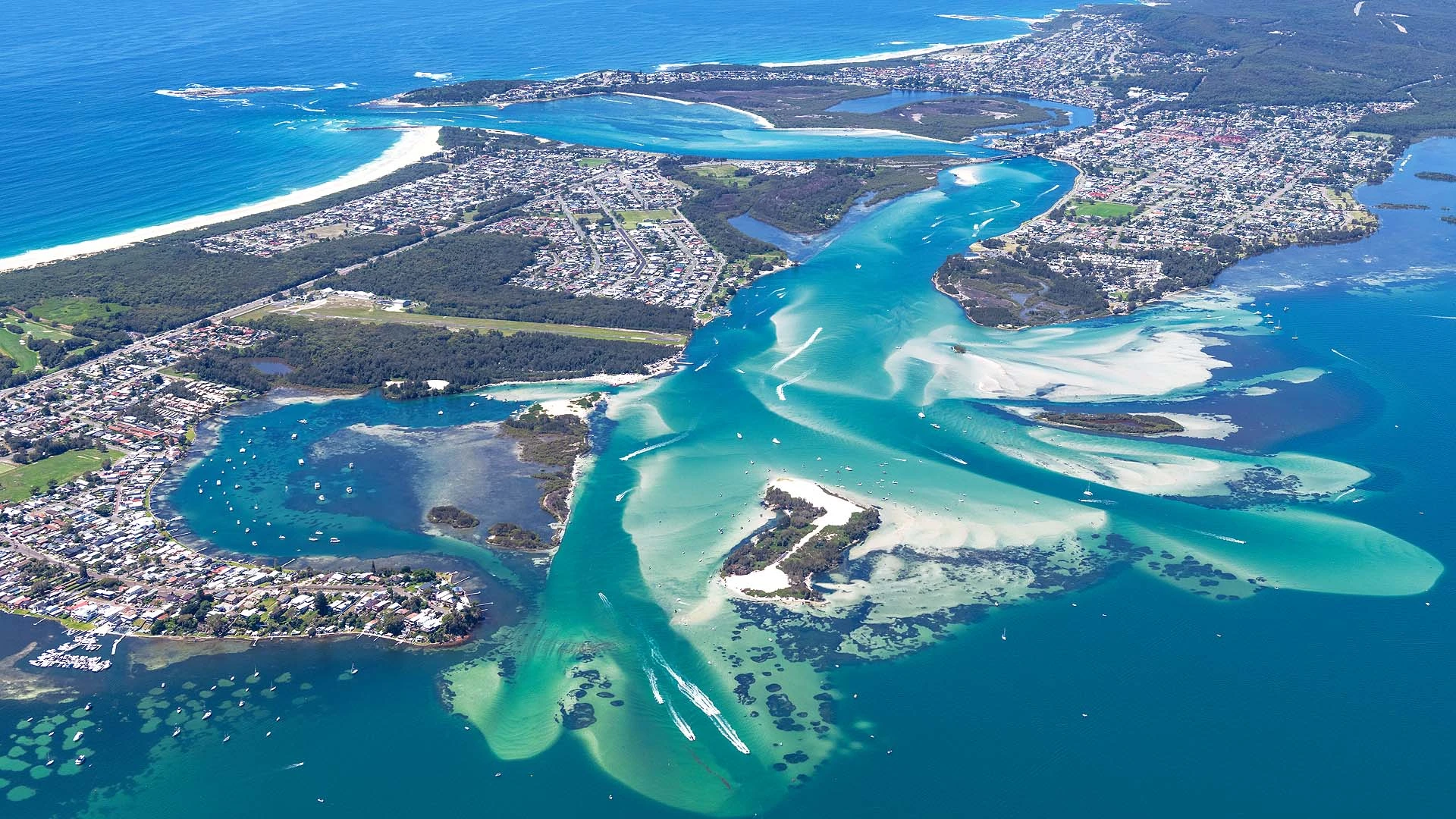
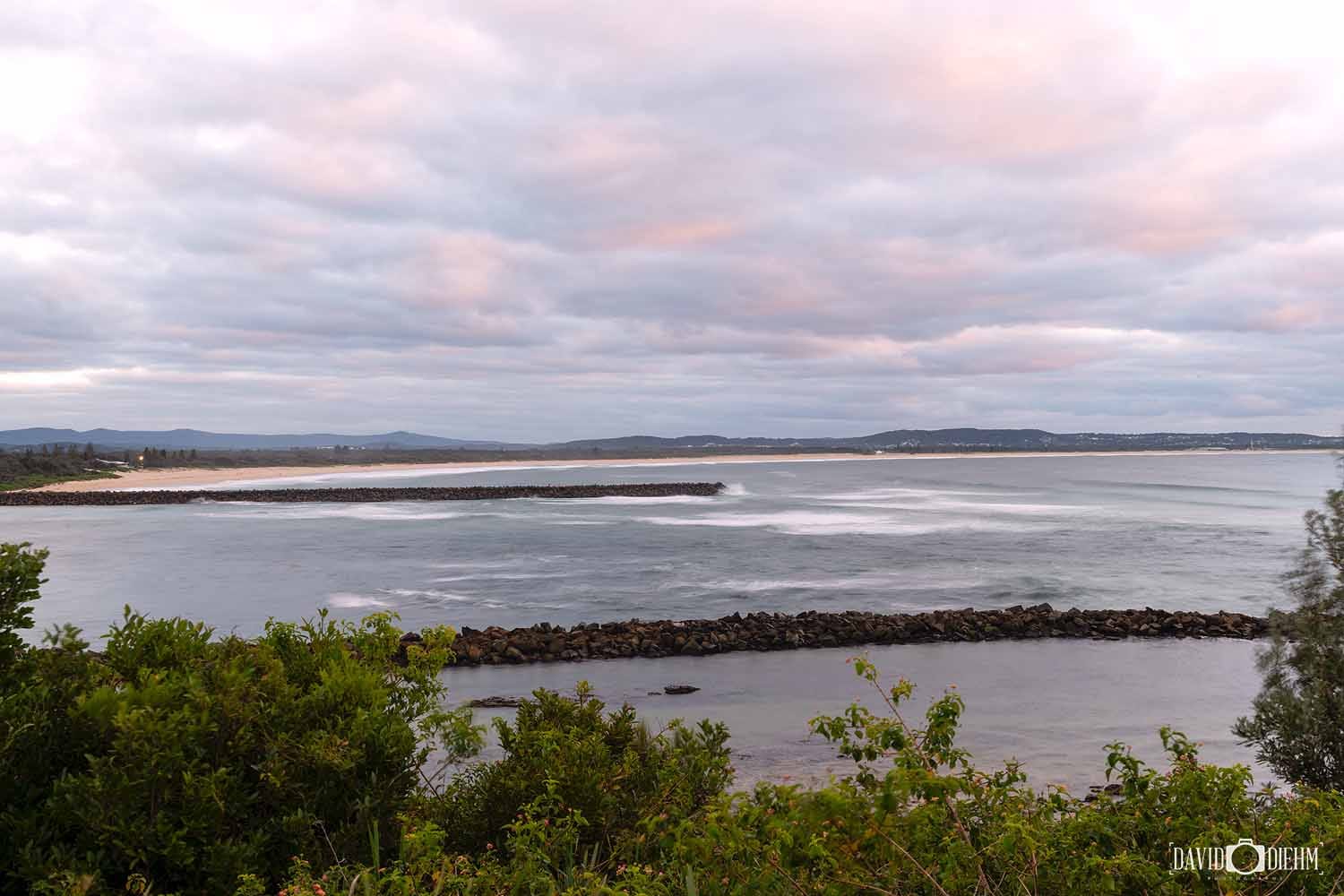
Swansea Heads Lookout is one of Lake Macquarie’s most spectacular coastal viewpoints, offering breathtaking views where Australia’s largest coastal saltwater lake meets the Pacific Ocean. Perched approximately 15 metres above sea level, the lookout overlooks Swansea Channel, the northern and southern breakwalls, Moon Island Nature Reserve and the endless ocean beyond.
If you’re looking for one of the best places to experience the meeting of lake and ocean, Swansea Heads Lookout is hard to beat. The constantly changing scenery, abundant marine life and busy boating activity make every visit different.
From the lookout, visitors enjoy uninterrupted views across Swansea Channel as fishing boats, yachts and larger vessels navigate the narrow entrance between Lake Macquarie and the Pacific Ocean. The channel is particularly lively on weekend mornings, when recreational fishing boats head out to sea before returning later in the day, making it a fascinating place to sit and watch the constant movement of vessels. Looking east, Moon Island Nature Reserve rises from the ocean, creating one of the Hunter Region’s most recognisable coastal landscapes.
Originally named Malte Island by Captain James Cook in 1770, Moon Island is now a protected nature reserve and an important breeding site for seabirds, including wedge-tailed shearwaters and silver gulls. Although public access to the island is prohibited to protect its wildlife, it remains one of the defining landmarks of Swansea Heads and is also renowned among scuba divers for its rich underwater marine life.


Between May and November, Swansea Heads becomes one of Lake Macquarie’s premier whale-watching locations. The elevated lookout provides outstanding views of migrating humpback whales travelling close to shore, while dolphins are regularly seen surfing the waves at the entrance to Swansea Channel throughout the year. Bringing a pair of binoculars will often reward visitors with even better views of the marine life and seabirds that frequent this remarkable stretch of coastline.
The lookout also provides easy access to several nearby attractions, including the scenic coastal walking tracks around Swansea Heads, Little Beach and the surrounding rock platforms. Combined with the spectacular ocean views, passing boats and abundant wildlife, it’s an ideal destination to spend a relaxing morning or afternoon exploring one of Lake Macquarie’s most beautiful coastal headlands.
Whether you’re visiting for whale watching, boating, fishing, coastal walks or simply to admire one of Lake Macquarie’s finest coastal panoramas, Swansea Heads Lookout perfectly showcases the dramatic meeting of lake and ocean. It’s a destination that offers spectacular scenery in every season and deserves a place on every Lake Macquarie itinerary.
💡 Local Tip
Pack a picnic and spend some extra time at Swansea Heads Lookout. The beautifully maintained lawns and bench seating provide a relaxing place to enjoy the coastal views while watching boats navigate Swansea Channel. As the home of Marine Rescue Lake Macquarie, there’s often plenty of boating activity to observe. On your way to the main lookout, stop at the smaller roadside viewing areas, which offer excellent views south along the rugged coastline and are often overlooked by visitors.
10. Rocky Point Lookout (Eleebana)
Location: End of Gordon Street, Eleebana NSW | Distance: Less than 30 m return | Difficulty: Easy | Allow: 5–20 minutes
Best For: Lake views, sunset, photography and accessibility | Parking: Free street parking at the end of Gordon Street | Facilities: None
Best Time: Late afternoon and sunset for beautiful light across Lake Macquarie | Cost: Free | Opening Hours: Open daily
Why Visit? Enjoy uninterrupted views across Lake Macquarie from a peaceful, wheelchair-accessible lookout that’s ideal for sunsets and lakeside photography.
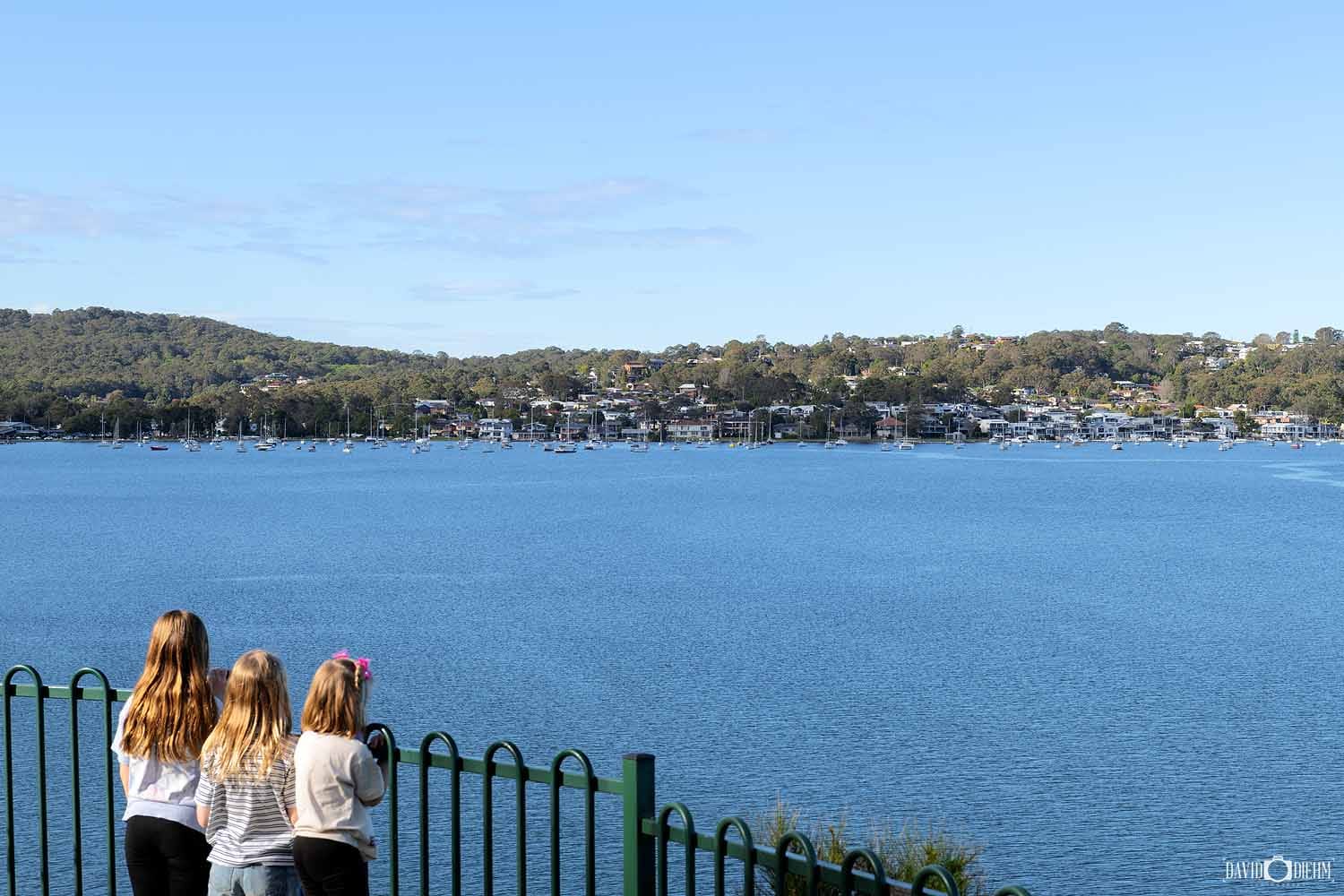
Rocky Point Lookout is one of Lake Macquarie’s hidden gems, offering spectacular elevated views across the southern end of Australia’s largest coastal saltwater lake. Located at the end of Gordon Street, Eleebana, this peaceful lookout provides uninterrupted 180-degree views across the water towards Valentine, Bolton Point, Toronto and the surrounding bushland.
Although lesser known than many of the region’s larger lookouts, Rocky Point Lookout rewards visitors with one of the finest elevated lake views in Lake Macquarie. Perched high above the shoreline, it’s a peaceful place to pause and appreciate the scale and beauty of the lake without the crowds often found at more popular destinations.
One of the lookout’s greatest strengths is its accessibility. A gently graded sealed pathway of approximately 30 metres leads directly from the street to the viewing platform, making it one of the easiest elevated lookouts in Lake Macquarie to access. The wheelchair-accessible pathway allows visitors of all ages and abilities to enjoy the panoramic views with minimal effort.
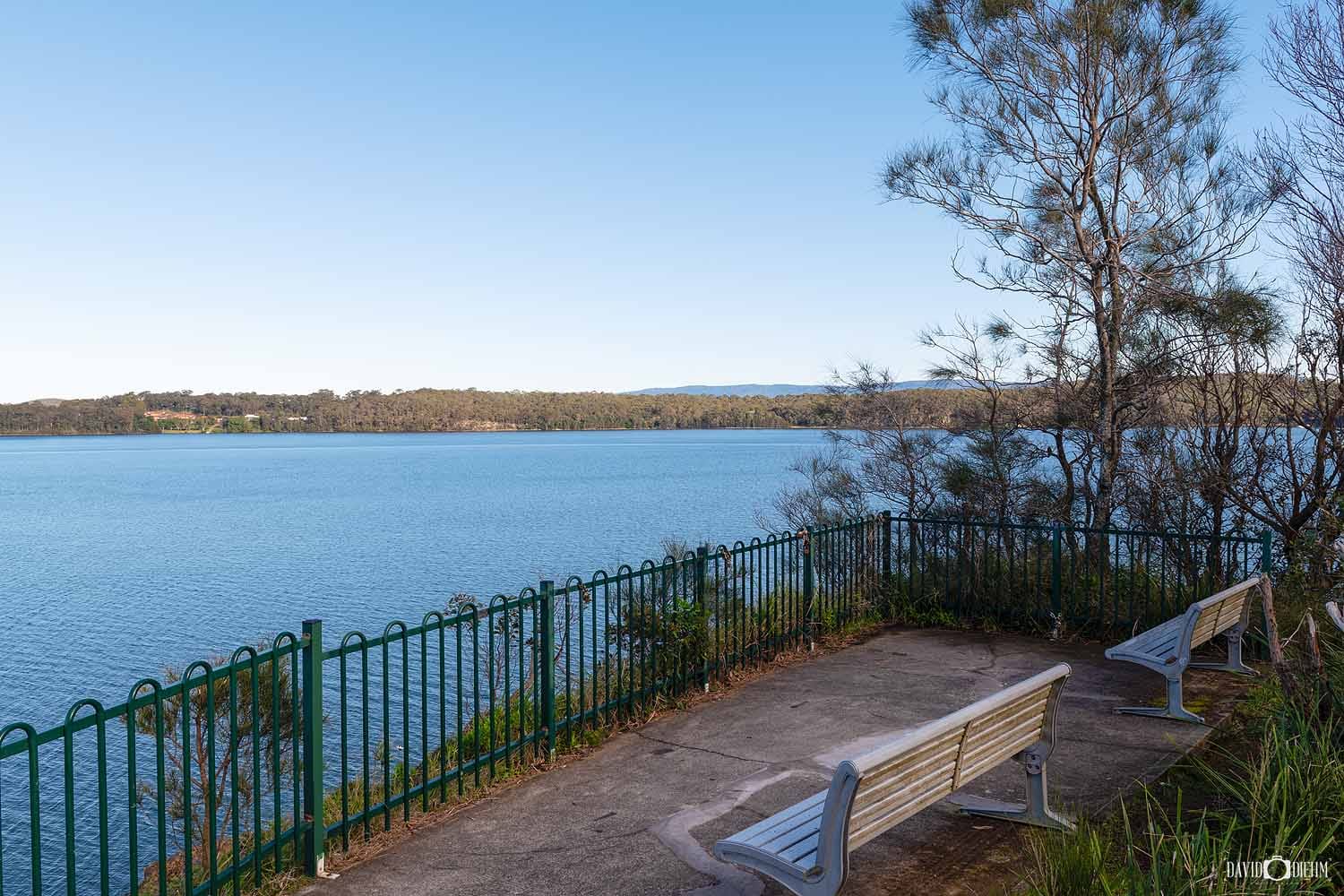
The compact viewing platform is surrounded by native bushland, creating a quiet and secluded setting despite being only minutes from Warners Bay and Eleebana. While there are no picnic facilities, seating or public amenities, the uninterrupted views across the lake more than compensate for its simplicity, and you’ll often have the lookout almost entirely to yourself.
Late afternoon and sunset are particularly rewarding times to visit, as warm light sweeps across the western shoreline and reflects off the calm waters of Lake Macquarie. The elevated position also makes the lookout an excellent place to simply relax, watch changing weather roll across the lake or enjoy the peaceful surroundings.
Whether you’re exploring Eleebana, Warners Bay or the broader Lake Macquarie region, Rocky Point Lookout is well worth the short detour. Its combination of outstanding accessibility, tranquil surroundings and expansive lake views makes it one of the region’s most underrated scenic lookouts.
💡 Local Tip
If you’re looking to escape the crowds, Rocky Point Lookout is one of Lake Macquarie’s best-kept secrets. You’ll often have the lookout to yourself, making it a peaceful place to relax while enjoying expansive views to the south and south-east. It’s also one of the best spots to watch incoming weather and dramatic storm clouds sweep across the lake.
11. Spoon Rocks Lookout
Location: Spoon Rocks Road, Caves Beach NSW | Distance: Approx. 1 km return (from Spoon Rocks Road) | Difficulty: Easy to Moderate | Allow: 45–90 minutes
Best For: Coastal views, whale watching, bushwalking and photography | Parking: Free parking near the end of Spoon Rocks Road | Facilities: Public toilets at Caves Beach Surf Life Saving Club
Best Time: Sunrise for spectacular coastal light, or May to November for whale watching | Cost: Free | Opening Hours: Open 24 hours a day
Why Visit? Enjoy breathtaking views over Spoon Rocks Bay, a short coastal bushwalk and one of Lake Macquarie’s quieter, lesser-known lookouts.
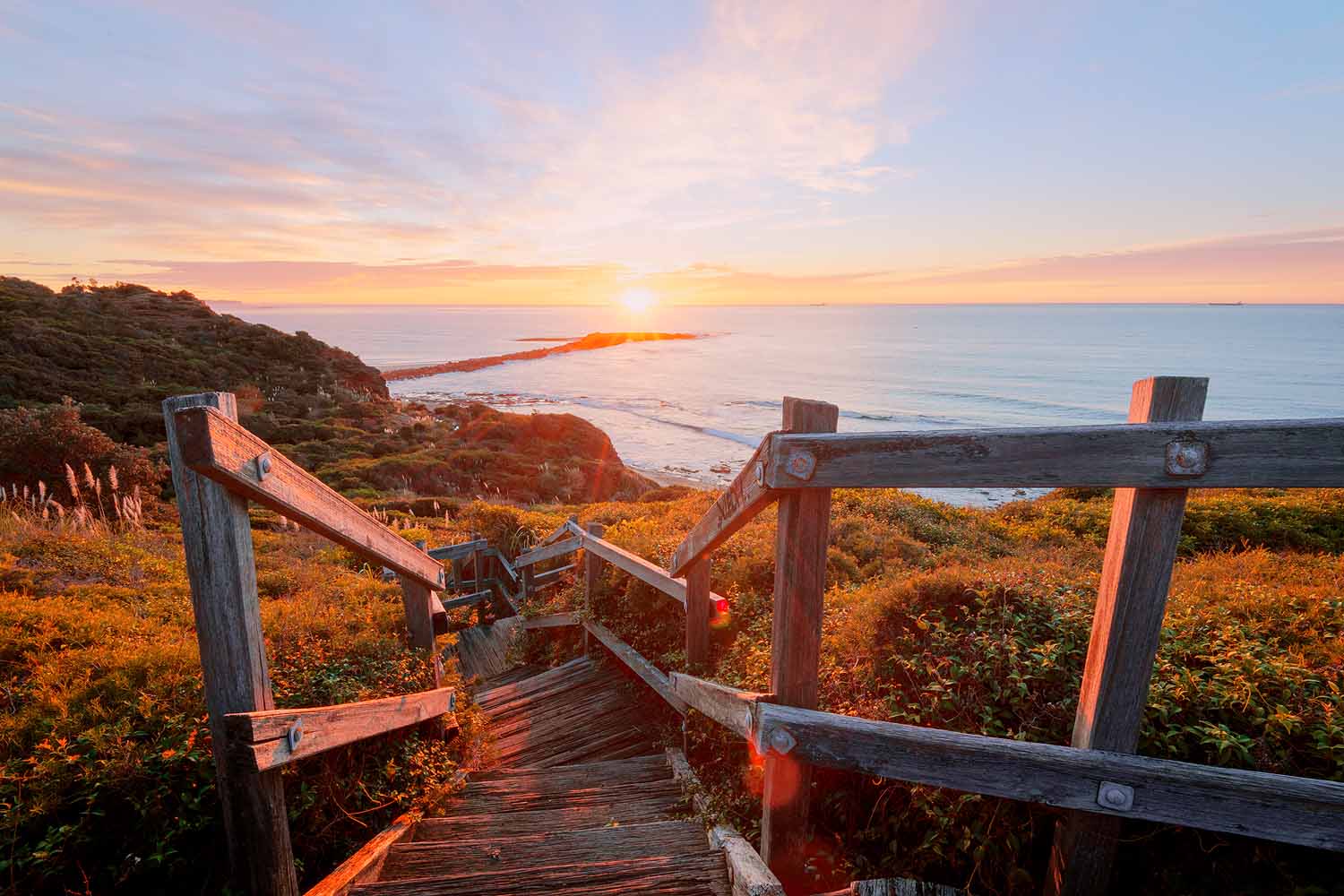
Spoon Rocks Lookout is one of Lake Macquarie’s most picturesque hidden coastal lookouts, offering breathtaking views across Spoon Rock Bay, the Pacific Ocean and the rugged coastline of Wallarah National Park. Surrounded by native bushland and dramatic sandstone cliffs, this peaceful viewpoint provides a welcome escape from the region’s busier coastal destinations.
If you’re looking for one of Lake Macquarie’s best hidden coastal walks, Spoon Rocks Lookout should be high on your list.
The lookout can be reached via scenic walking tracks from either Spoon Rocks Road or Caves Beach, with the coastal trail winding through Wallarah National Park before arriving at the clifftop viewpoint. The walk itself is part of the experience, passing coastal heath, towering banksias and spectacular sandstone cliffs, with regular glimpses of the ocean along the way.
Below the lookout lies the sheltered waters of Spoon Rock Bay, named after the distinctive spoon-shaped curve formed by the beach and surrounding rock formations. Unlike many beaches along this stretch of coastline, the bay enjoys relatively calm conditions thanks to the remains of a historic rock breakwater extending into the ocean.


The breakwater tells a fascinating chapter of Lake Macquarie’s industrial history. During the 1950s, Silver Valley Minerals began constructing a deep-water loading facility to export coal from the nearby Wallarah coalfields. Thousands of tonnes of sandstone were quarried from the surrounding cliffs to build a breakwater extending approximately 500 metres into the Pacific Ocean. However, changing conditions within the coal industry saw the ambitious project abandoned before completion. Today, the weathered remains of the breakwater continue to shelter Spoon Rock Bay, creating the calm waters visitors enjoy today and adding a unique historical dimension to the landscape.
Many visitors continue beyond the lookout along the Yondeo Trail, exploring the spectacular coastline towards Split Rock, Pinny Beach and Quarries Head. Split Rock is a striking natural sandstone formation where a deep fissure has divided the headland, creating one of the walk’s most photographed landmarks. Combined with dramatic ocean cliffs, native bushland and secluded beaches, this section of Wallarah National Park offers one of Lake Macquarie’s most rewarding coastal walks.
Whether you’re interested in bushwalking, whale watching, coastal scenery or discovering one of Lake Macquarie’s hidden historical landmarks, Spoon Rocks Lookout is a destination well worth exploring. Its combination of spectacular views, fascinating history and peaceful surroundings makes it one of the region’s true hidden gems.

💡 Local Tip
If you’re an early riser, the sunrise from Spoon Rocks Lookout is well worth the walk, with spectacular colours often lighting up the cliffs and Pacific Ocean. Otherwise, include the lookout as part of a longer walk through Wallarah National Park. Its peaceful location means you’ll often have it all to yourself, and the easy bush track makes it a great adventure for families with young children who enjoy exploring nature.
12. Heaton Lookout (Watagans National Park)
Location: Heaton Road, Cooranbong NSW | Distance: Less than 100 m return | Difficulty: Easy | Allow: 30–60 minutes
Best For: Panoramic views, sunrise, sunset, hang gliding and photography | Parking: Free parking adjacent to the lookout | Facilities: Picnic area, public toilets and parking
Best Time: Sunrise for beautiful morning light, throughout the day for panoramic views | Cost: Free | Opening Hours: Open daily.
Why Visit? Enjoy breathtaking panoramic views across the Watagans, Lake Macquarie & Newcastle from one of the region’s most spectacular mountain lookouts.
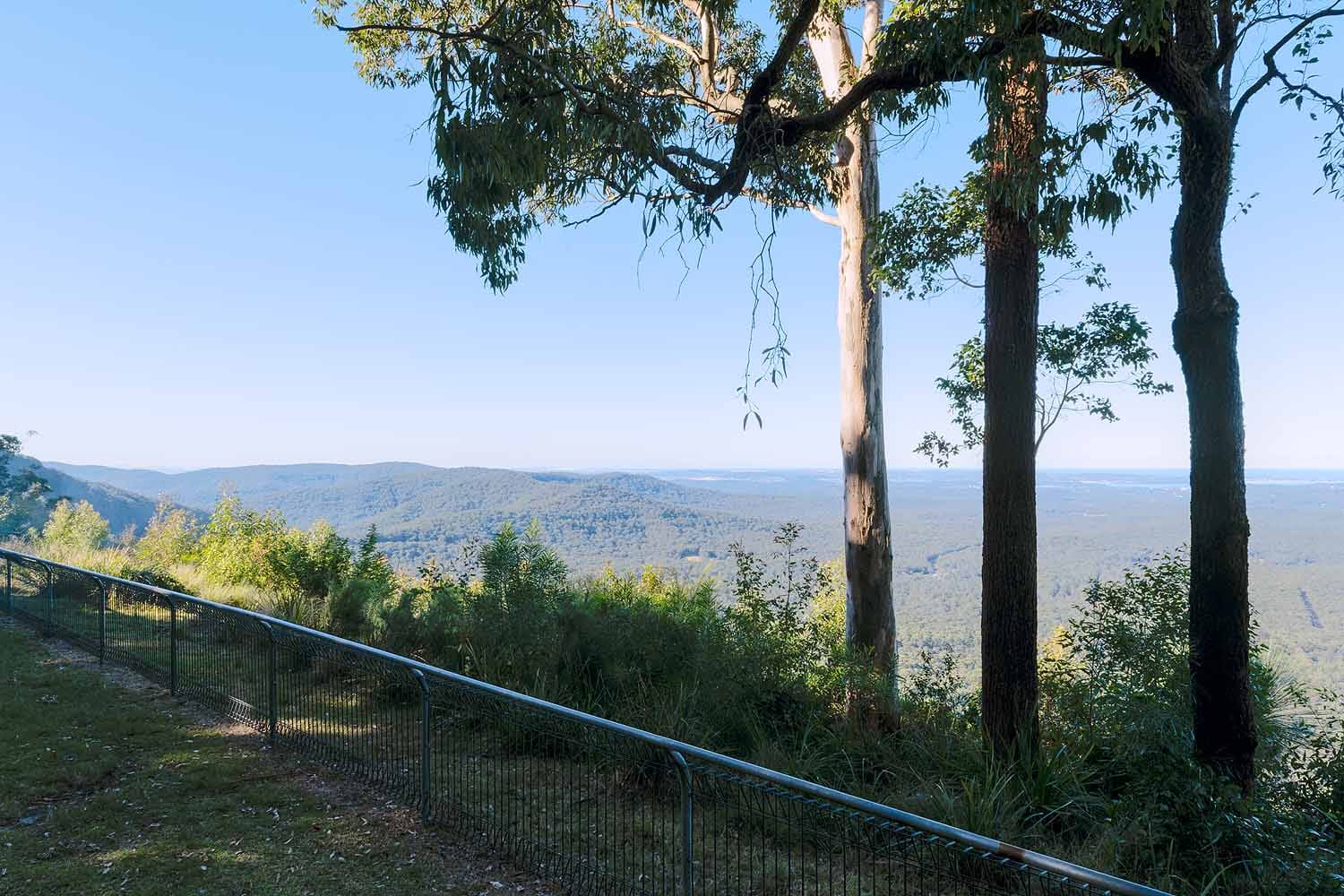
Heaton Lookout is one of the Hunter Region’s most spectacular mountain lookouts, offering breathtaking panoramic views across Lake Macquarie, the Hunter Valley, Newcastle and the Pacific Ocean. Sitting approximately 400 metres above sea level, this elevated viewpoint provides one of the widest vistas in the region and is a favourite destination for bushwalkers, photographers, scenic drivers and hang gliding enthusiasts.
Located within the Watagans National Park, Heaton Lookout is reached via a scenic drive through towering eucalyptus forests before emerging at one of the Hunter’s most impressive viewpoints. The unsealed roads are generally suitable for most two-wheel-drive vehicles in dry conditions, although extra care should be taken after rain when sections can become slippery.
From the lookout, uninterrupted views stretch across Lake Macquarie, Cooranbong, Newcastle, the Hunter Valley and the distant Pacific Ocean. On clear days, landmarks including the Eraring and Vales Point Power Stations are easily visible, showcasing the immense scale and diversity of the surrounding landscape.


The lookout is rewarding throughout the day, with crisp mountain air and morning mist often filling the valleys at sunrise, while late afternoon casts warm light across the surrounding mountain ranges. The elevated position also provides outstanding views of approaching weather systems, making every visit a little different.
For those wanting to explore further, sections of the Great North Walk pass through this beautiful part of the Watagans, while several other scenic lookouts are located within a short drive. Narrow Place Lookout offers breathtaking views across Quorrobolong, Paxton, Ellalong, Cessnock and Kurri Kurri, while Lookout Point and Monkey Face Lookout, near Gap Creek Falls, provide equally impressive perspectives across the surrounding forests and valleys. Together, these destinations make the Watagans one of the Hunter Region’s premier areas for scenic drives, bushwalking and nature-based adventures.
Whether you’re visiting for the panoramic views, scenic drive, hang gliding, bushwalking or simply to enjoy the fresh mountain air, Heaton Lookout is one of the Hunter Region’s finest viewpoints and a destination that deserves a place on every Lake Macquarie and Watagans National Park itinerary.

💡 Local Tip
Heaton Lookout is around a 30–45 minute drive from Lake Macquarie, so make the most of your visit by exploring several of the Watagans National Park lookouts or tackling a section of the Great North Walk. The main forest roads are unsealed but are generally suitable for two-wheel-drive vehicles in dry conditions. However, some of the lesser-used roads can develop deep washouts after heavy rain, so always check current conditions and drive to the terrain.
13. Debs Parade Lookout
Location: Debs Parade, Dudley NSW | Distance: Approx. 100 m return | Difficulty: Easy | Allow: 10–30 minutes
Best For: Coastal views, whale watching, sunrise and photography | Parking: Limited free street parking at the end of Debs Parade | Facilities: None
Best Time: Sunrise for spectacular ocean views, or May to November for whale watching | Cost: Free | Opening Hours: Open 24 hours
Why Visit? Discover one of Lake Macquarie’s best hidden coastal lookouts, with spectacular ocean views, excellent whale watching and breathtaking sunrises. Distant views of Newcastle.
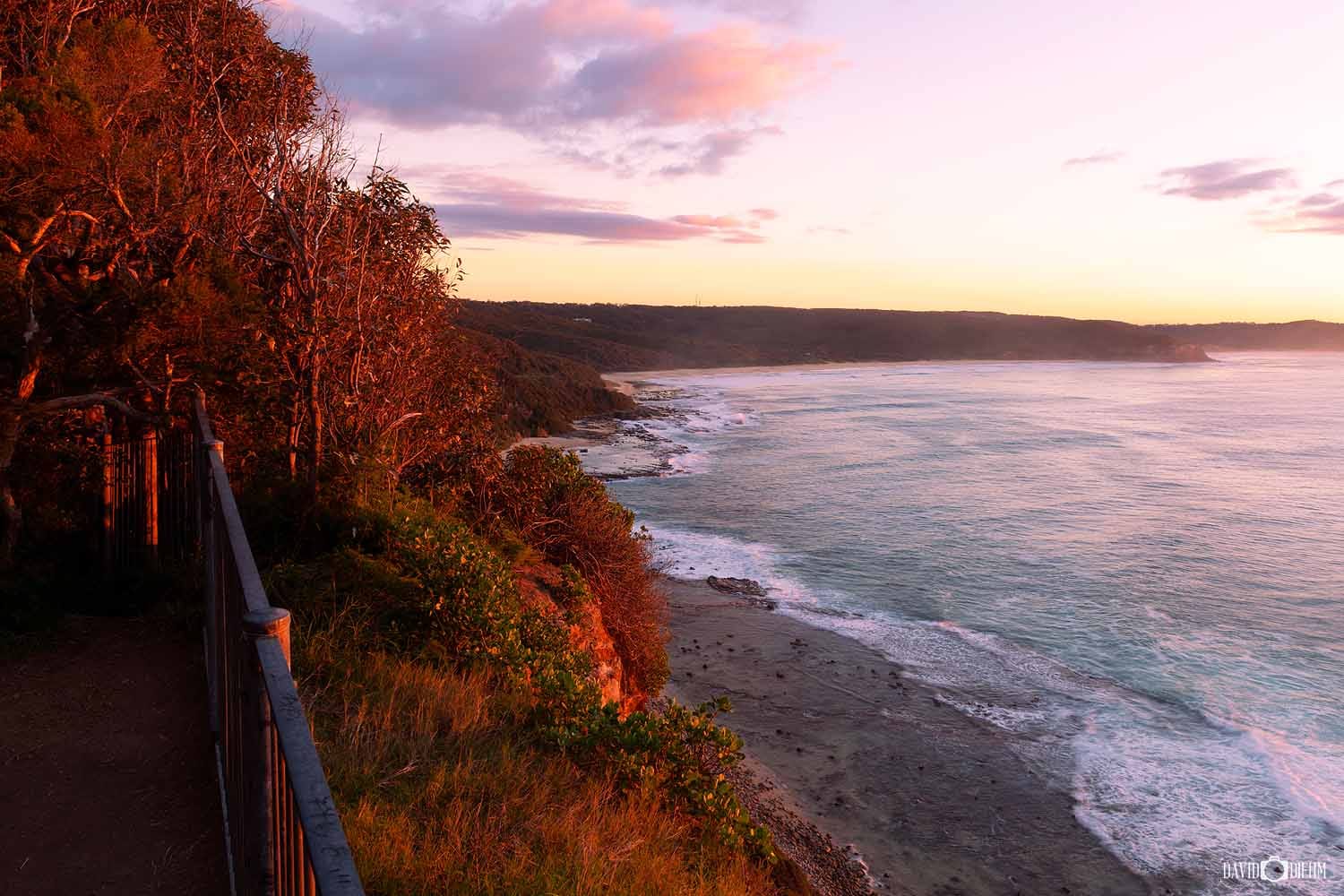
Debs Parade Lookout is one of Lake Macquarie’s best hidden coastal lookouts, offering spectacular elevated views across the Pacific Ocean and the rugged coastline of southern Lake Macquarie. Perched approximately 50 metres above sea level, this secluded viewpoint rewards visitors with sweeping 180-degree views over the ocean, native bushland and surrounding headlands, making it a favourite destination for whale watchers, photographers and nature lovers.
If you’re looking to escape the crowds while enjoying some of the Hunter Region’s most breathtaking coastal scenery, Debs Parade Lookout is well worth discovering.
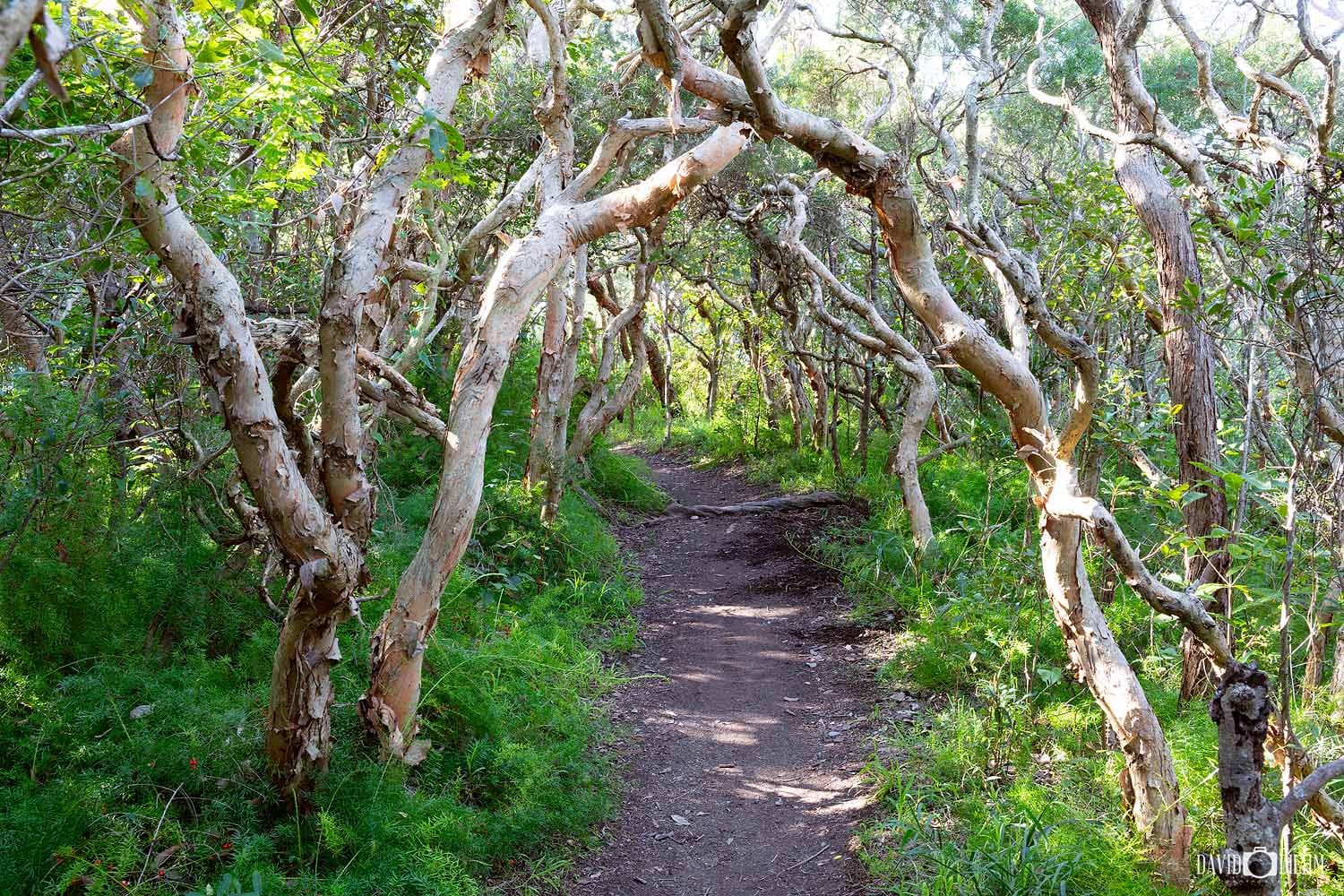
A short bush track leads from the end of Debs Parade to the clifftop viewing area, where uninterrupted views stretch north along one of the Hunter’s most dramatic coastlines. From the lookout, visitors can see the rugged cliffs of Dudley extending towards Glenrock State Conservation Area and Newcastle, while the vast Pacific Ocean stretches to the horizon. The elevated position creates a peaceful place to pause, listen to the waves below and appreciate the wild beauty of the coastline.
Between May and November, Debs Parade Lookout becomes one of Lake Macquarie’s premier whale-watching locations. The elevated cliffs provide outstanding visibility across the ocean, with migrating humpback whales regularly passing close to shore. Dolphins are also frequently seen offshore, while seabirds effortlessly ride the coastal updrafts along the cliffs.


Sunrise is one of the best times to visit, with the first light illuminating the Pacific Ocean and surrounding headlands. Throughout the year, the lookout also provides spectacular views of changing weather, powerful ocean swells and dramatic coastal scenery, making every visit a little different.
The lookout also provides easy access to Awabakal Nature Reserve, where coastal walking tracks wind through pristine bushland towards Dudley Beach and several other scenic viewpoints. Combining the lookout with a walk through the reserve or a visit to Dudley Beach makes for an enjoyable half-day adventure exploring one of Lake Macquarie’s most beautiful stretches of coastline.
Although relatively unknown compared with many of the region’s more famous viewpoints, Debs Parade Lookout remains one of those special places that locals often keep to themselves. Its peaceful atmosphere, rugged coastal scenery and exceptional whale watching make it one of Lake Macquarie’s most rewarding hidden lookouts.
💡 Local Tip
Debs Parade Lookout is one of Lake Macquarie’s best-kept secrets and remains off the radar of most visitor guides. It’s a peaceful place where you’ll often have the lookout to yourself while enjoying commanding views along the coastline. Bring a pair of binoculars to spot migrating whales in season or identify landmarks stretching north towards the distant Newcastle coastline.
14. Marks Point Park Lookout
Location: Marks Point Road, Marks Point NSW | Distance: Less than 100 m return | Difficulty: Easy | Allow: 30–60 minutes (longer if kayaking, paddleboarding or enjoying a picnic)
Best For: Lake views, birdwatching, kayaking, paddleboarding, picnics and photography | Parking: Free parking is available adjacent to Marks Point Park | Facilities: Public toilets are available nearby at Marks Point Oval.
Best Time: Sunrise for calm lake reflections, sunset for colourful skies across Lake Macquarie, or throughout the day for birdwatching | Cost: Free | Opening Hours: Open 24 hours
Why Visit? Enjoy peaceful lakeside views, abundant birdlife and one of Lake Macquarie’s best locations for kayaking, paddleboarding and watching spectacular sunsets.
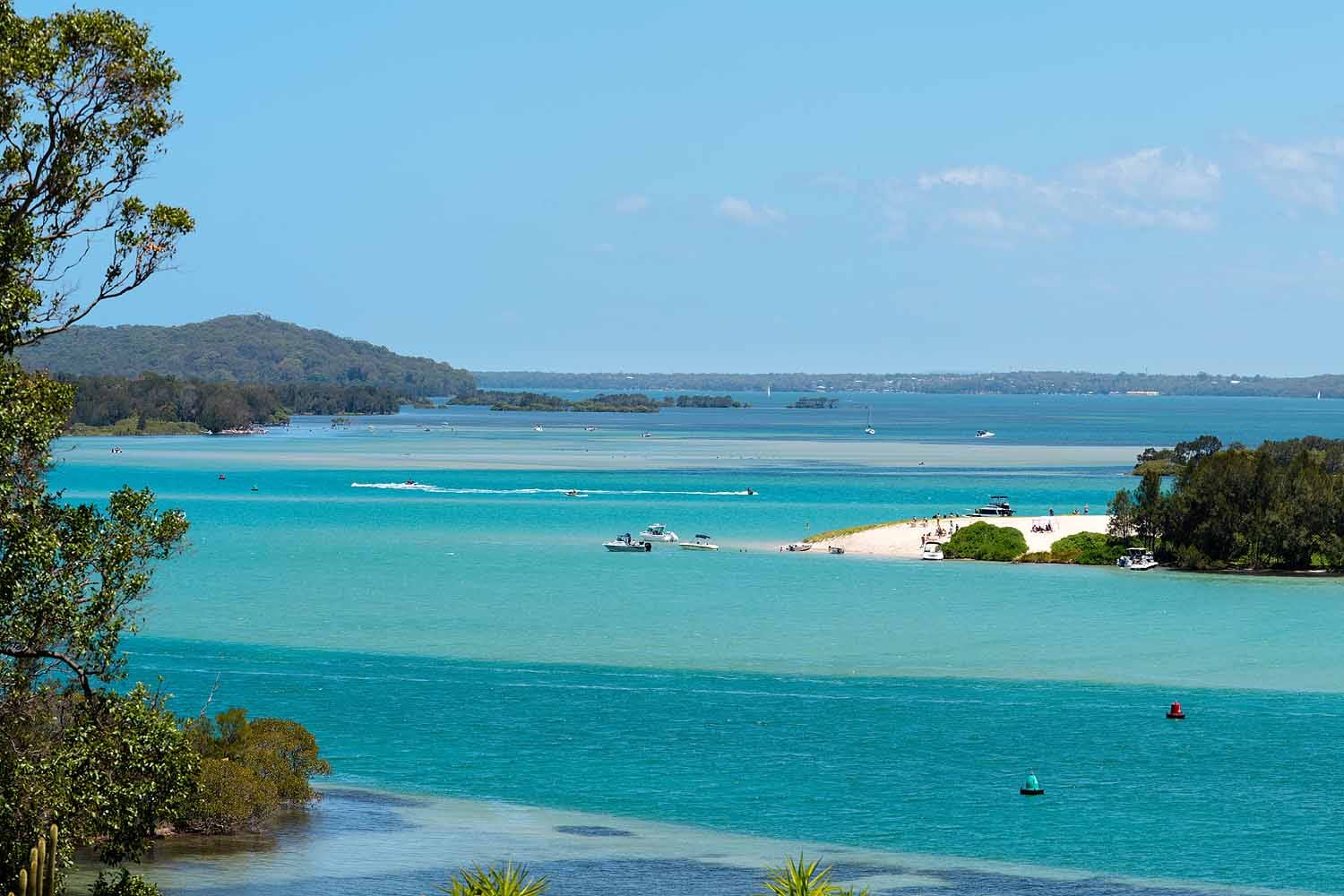
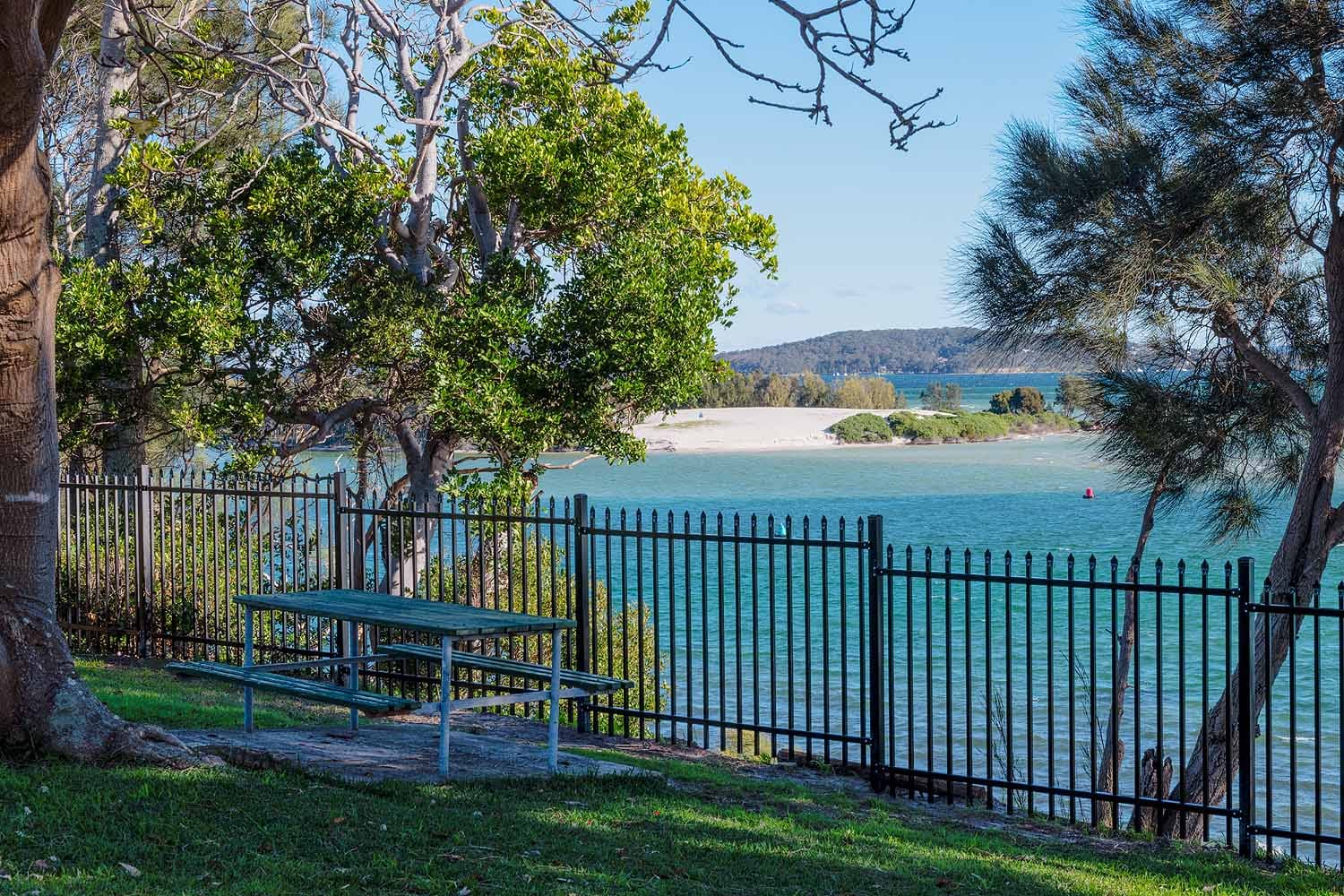
Marks Point Park Lookout is one of Lake Macquarie’s most peaceful lakeside lookouts, offering elevated views across Swan Bay, the surrounding wetlands and the sparkling waters of Australia’s largest coastal saltwater lake. Unlike the region’s dramatic ocean headlands and mountain lookouts, Marks Point provides a tranquil setting where abundant birdlife, calm water and natural beauty take centre stage.
From the gently elevated foreshore, uninterrupted views extend across Swan Bay, one of Lake Macquarie’s most significant wetland environments. Throughout the day the calm waters reflect the ever-changing sky, while sailboats, kayaks and paddleboarders add to the picturesque lakeside setting.
Marks Point is particularly renowned for its outstanding birdwatching. Large flocks of black swans, Australian pelicans, cormorants, egrets and migratory shorebirds regularly feed throughout Swan Bay, making it one of the best places in Lake Macquarie to observe native birdlife. Rare bird sightings have also been recorded here, attracting birdwatchers and wildlife photographers from across the region.
The park is equally rewarding at sunrise and sunset. Calm mornings often produce mirror-like reflections across the lake, while colourful evening skies transform Swan Bay into one of Lake Macquarie’s most photogenic waterscapes. Combined with the area’s abundant wildlife, the changing light makes every visit unique.
For those wanting to get on the water, Swan Bay offers sheltered conditions ideal for kayaking and stand-up paddleboarding. Several nearby launch points provide easy access, allowing visitors to explore the wetlands and shoreline from a completely different perspective.
Families will appreciate the spacious grassy parklands, picnic tables and relaxed atmosphere. The park also makes an excellent stop when exploring nearby attractions including Naru Beach, Belmont, Green Point Reserve and Blacksmiths Beach, all just a short drive away.
Whether you’re birdwatching, paddling across Swan Bay, enjoying a picnic or simply taking in the peaceful lake views, Marks Point Park Lookout showcases a quieter side of Lake Macquarie, where nature and wildlife combine to create one of the region’s most relaxing waterfront destinations.

💡 Local Tip
Marks Point Park is a wonderful place to enjoy a family picnic while taking in elevated views across Elizabeth Island and Swan Bay. Afterwards, head to nearby Swan Bay or Naru Beach to paddle, swim or simply relax by the calm, turquoise waters.
15. Wangi Point Lookout
Location: Wangi Point Road, Wangi Wangi NSW | Distance: Approx. 1.7 km loop | Difficulty: Moderate | Allow: 1–2 hours
Best For: Bushwalking, Pulbah Island views, birdwatching, wildlife and lake scenery | Parking: Free parking is available at the Wangi Point picnic area | Facilities: Picnic tables and BBQs are available near the car park. No toilets or drinking water are available along the walking track.
Best Time: Early morning for wildlife and calm lake conditions, or late afternoon for beautiful light across Pulbah Island | Cost: Free | Opening Hours: Open daily
Why Visit? Discover two scenic bushland lookouts overlooking Pulbah Island, abundant native wildlife and one of Lake Macquarie’s most peaceful walking trails.

Wangi Point Lookouts offer one of the most peaceful and unique lookout experiences in Lake Macquarie. Located within the Lake Macquarie State Conservation Area, this scenic bushland reserve features two elevated lookouts connected by the 1.7-kilometre Wangi Circuit Walking Track, rewarding visitors with beautiful views across Pulbah Island, the southern basin of Lake Macquarie and the surrounding native forest.
Unlike the region’s dramatic coastal headlands or mountain viewpoints, Wangi Point immerses visitors in nature, making it an ideal destination for those seeking a quieter bushwalking experience.
The Grade 3 walking track loops around the headland through eucalypt forest, banksia heath and seasonal wildflowers before reaching two scenic lookouts overlooking the lake. Each provides a slightly different perspective across Pulbah Island, the largest island in Lake Macquarie and one of the area’s most culturally significant landmarks for the Awabakal people.
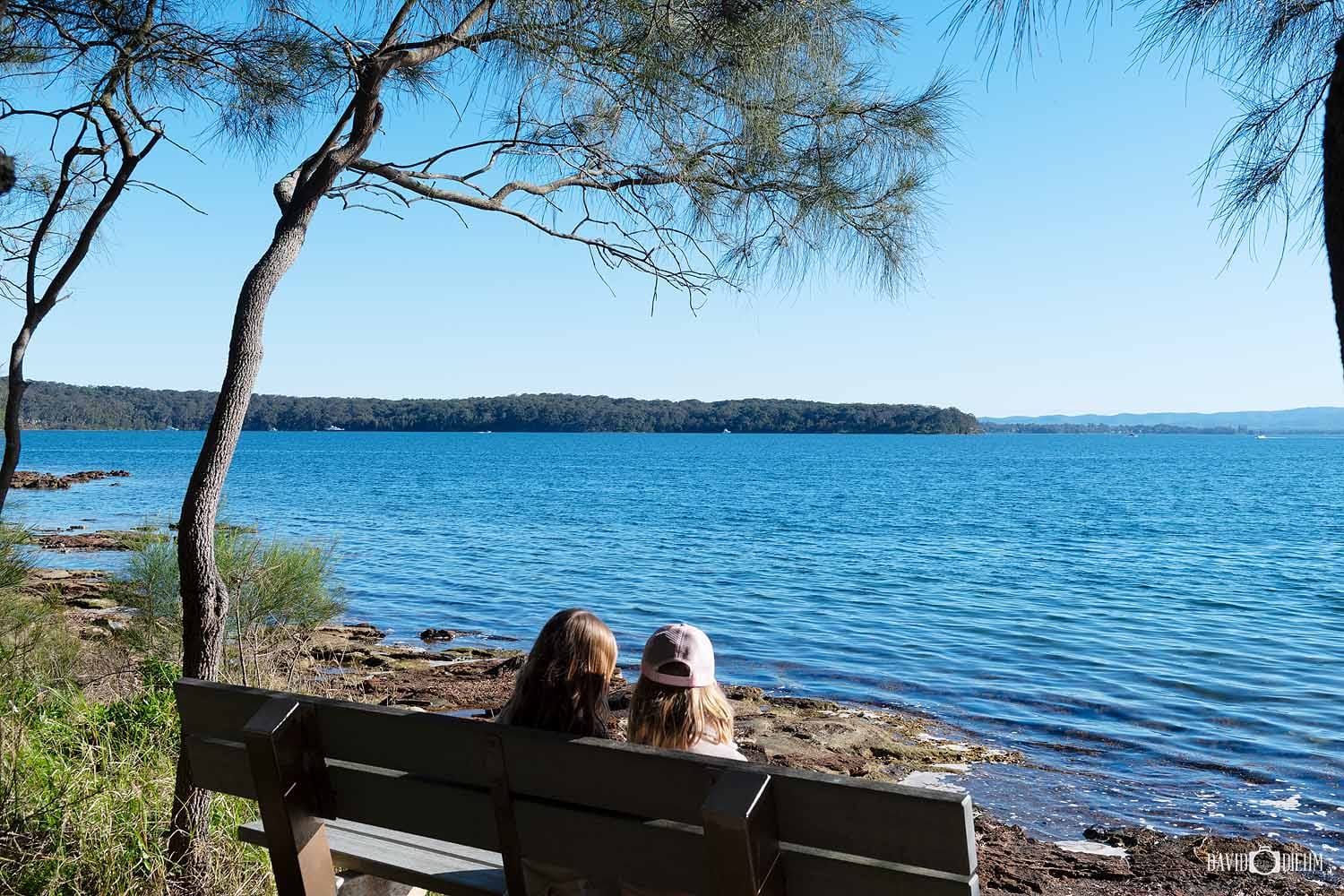
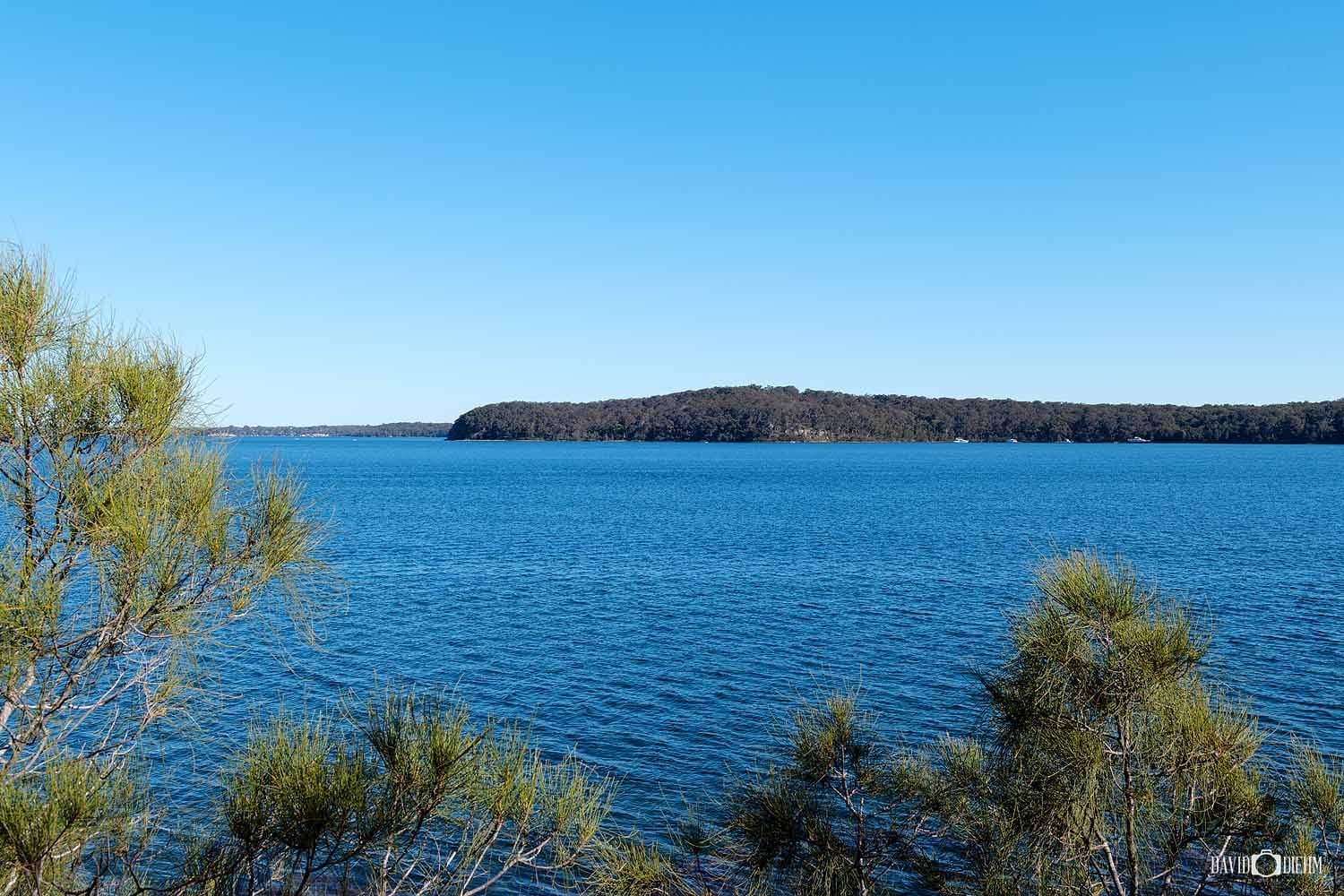
Wildlife is one of the highlights of the walk. White-bellied sea eagles are frequently seen soaring above the lake, while kangaroos, goannas and numerous native bird species inhabit the surrounding bushland. Looking down from the cliffs, visitors occasionally spot green sea turtles and dolphins swimming through the clear waters below.
The walking track is particularly beautiful during late winter and spring, when native banksias, orchids and wildflowers bloom throughout the reserve. Combined with peaceful bushland and expansive lake views, it creates one of the most rewarding short walks in the Lake Macquarie region.
Whether you’re enjoying a leisurely bushwalk, photographing Pulbah Island or simply escaping into nature, Wangi Point Lookouts provide a very different perspective of Lake Macquarie and are well worth including on any visit to the region.

💡 Local Tip
Walk the full Wangi Circuit Track rather than turning around at the first lookout. Each viewpoint offers a different perspective across Pulbah Island, and the peaceful bush track is often just as rewarding as the views themselves. Visit between July and October to enjoy colourful native wildflowers and keep an eye out for sea eagles, dolphins and green sea turtles.
Exploring the Best Lookouts in Lake Macquarie
Whether you’re chasing spectacular sunrises, searching for the perfect whale-watching spot or simply looking to experience the best lookouts in Lake Macquarie, the region offers an incredible variety of scenic viewpoints. From rugged coastal cliffs and elevated mountain summits to peaceful lakeside lookouts and secluded bushland escapes, these destinations showcase the diverse beauty of Australia’s largest coastal saltwater lake.
Each lookout offers something unique. Admire sweeping panoramas from Mount Sugarloaf, explore dramatic headlands at Redhead Bluff, Dudley Bluff and Catherine Hill Bay, discover tranquil lakeside views at Green Point Reserve and Marks Point Park, wander through rainforest to Leichhardt Lookout, or enjoy a peaceful bushwalk to the Wangi Point Lookouts overlooking Pulbah Island.
Many of these lookouts are also among the Hunter Region’s best locations for whale watching, birdwatching, bushwalking and landscape photography. With many situated only a short drive apart, it’s easy to combine several into a memorable day exploring one of New South Wales’ most spectacular natural destinations.
Continue Exploring Newcastle & the Hunter Region
If you’re inspired to discover more of Newcastle, Lake Macquarie and the surrounding Hunter Region, these local guides highlight some of the area’s best beaches, scenic lookouts, walking trails and unforgettable attractions. Whether you’re planning a day trip, a weekend adventure or searching for your next photography location, these guides will help you uncover even more of the region’s natural beauty.
Newcastle
- Things to Do in Newcastle NSW – Explore Newcastle’s top attractions, historic landmarks, vibrant harbour, beautiful beaches and unforgettable experiences.
- Best Beaches in Newcastle NSW – Discover Newcastle’s most spectacular beaches, from iconic surf breaks and ocean baths to family-friendly swimming spots and scenic coastal escapes.
- Best Walks in Newcastle NSW – Wander along Newcastle’s most picturesque walking trails, including the Bathers Way Coastal Walk, Fernleigh Track, Glenrock State Conservation Area and harbour foreshore.
- Best Lookouts in Newcastle NSW – Discover Newcastle’s most spectacular lookouts for panoramic coastal views, sunrise and sunset photography, whale watching and breathtaking city vistas.
Lake Macquarie
- Things to Do in Lake Macquarie – Discover the best attractions around Australia’s largest coastal saltwater lake, from waterfront parks and hidden beaches to scenic reserves and family-friendly destinations.
- Best Beaches in Lake Macquarie – Explore beautiful lake and ocean beaches, hidden sea caves, surf beaches, calm swimming spots and picturesque coastal scenery.
- Best Walks in Lake Macquarie NSW – Experience lakeside foreshore walks, coastal bush tracks, rainforest trails and some of the region’s most rewarding hiking adventures.
Port Stephens
- Best Things to Do in Port Stephens – Experience the towering Stockton Sand Dunes, Tomaree Head Summit Walk, pristine beaches, dolphin cruises, marine wildlife and many of Port Stephens’ most iconic attractions.
Frequently Asked Questions About the Best Lookouts in Lake Macquarie
What is the best lookout in Lake Macquarie?
Mount Sugarloaf Lookout is widely regarded as the best lookout in Lake Macquarie, offering spectacular 360-degree views across Lake Macquarie, Newcastle, the Hunter Valley and surrounding mountain ranges. Other favourites include Redhead Bluff Lookout, Swansea Heads Lookout and Catherine Hill Bay Headland Lookout
Where is the best place to watch sunrise in Lake Macquarie?
Catherine Hill Bay Headland Lookout is one of the best places to watch sunrise in Lake Macquarie. Redhead Bluff Lookout, Caves Beach Lookout, Debs Parade Lookout and Spoon Rocks Lookout also provide spectacular sunrise views across the Pacific Ocean.
Where is the best place to watch sunset in Lake Macquarie?
Mount Sugarloaf Lookout is one of the best sunset locations in Lake Macquarie, with panoramic views across the Hunter Region. Green Point Reserve (Sea Eagle Lookout), Marks Point Park Lookout and Munibung Hill Lookout are also excellent places to enjoy colourful evening skies.
Where is the best place to watch sunset in Newcastle?
ANZAC Memorial Walk is widely regarded as the best place to watch sunset in Newcastle, with breathtaking panoramic views across Bar Beach, Merewether Beach and the Pacific Ocean. Strzelecki Lookout, King Edward Park, Hickson Street Lookout, Ronnie Watts Lookout and New Lambton Heights Lookout also offer spectacular sunset photography opportunities.
Which lookout in Lake Macquarie is best for whale watching?
Redhead Bluff Lookout is one of the best whale watching locations in Lake Macquarie due to its elevated coastal position and uninterrupted ocean views. Swansea Heads Lookout, Dudley Bluff Lookout, Catherine Hill Bay Headland Lookout, Spoon Rocks Lookout and Debs Parade Lookout are also excellent during the humpback whale migration between May and November.
Which lookout has the best views of Lake Macquarie?
Munibung Hill Lookout offers some of the best elevated views across Lake Macquarie and its surrounding suburbs. Mount Sugarloaf Lookout also provides spectacular views of the lake as part of its panoramic 360-degree outlook across the Hunter Region.
Which Lake Macquarie lookout is easiest to access?
Caves Beach Lookout, Catherine Hill Bay Headland Lookout and Swansea Heads Lookout are among the easiest lookouts to access in Lake Macquarie. All three feature parking just metres from the main viewing areas, requiring little to no walking while still offering spectacular coastal views, making them ideal for families and visitors with limited mobility.
How many lookouts are there in Lake Macquarie?
How many lookouts are there in Lake Macquarie?
Lake Macquarie is home to dozens of scenic lookouts overlooking the lake, coastline and surrounding mountains. This guide features 15 of the best lookouts, ranging from easily accessible coastal viewpoints to elevated mountain lookouts and peaceful lakeside viewing areas.
Which lookout in Lake Macquarie has the best ocean views?
Redhead Bluff Lookout offers some of the best ocean views in Lake Macquarie, with spectacular panoramas across Redhead Beach, the Pacific Ocean and surrounding coastline. Other excellent coastal lookouts include Catherine Hill Bay Headland Lookout, Dudley Bluff Lookout, Debs Parade Lookout, Caves Beach Lookout and Spoon Rocks Lookout.
What are the highest lookouts in Lake Macquarie?
Mount Sugarloaf is the highest lookout featured in this guide, standing approximately 412 metres above sea level. Other elevated viewpoints include Heaton Lookout at around 400 metres and Munibung Hill Lookout at approximately 160 metres, all offering spectacular panoramic views across Lake Macquarie, the Hunter Valley and surrounding mountain ranges.